Choosing the best emergency generator is a critical decision for homes and businesses alike. Power outages can occur unexpectedly, leading to losses and inconveniences. An emergency generator can provide peace of mind by ensuring that essential appliances remain operational.
When considering your options, it's essential to understand your power requirements. Different generators offer varying watt capacities, which affect their performance. What works for one household may not suit another. Evaluating your specific needs is crucial.
Moreover, reliability is key. Not all emergency generators are created equal. Some brands have established reputations for durability, while others may not meet expectations. It's vital to research and read user reviews to gain insights. The right emergency generator should be both efficient and effective, reflecting thoughtful decision-making and careful consideration.
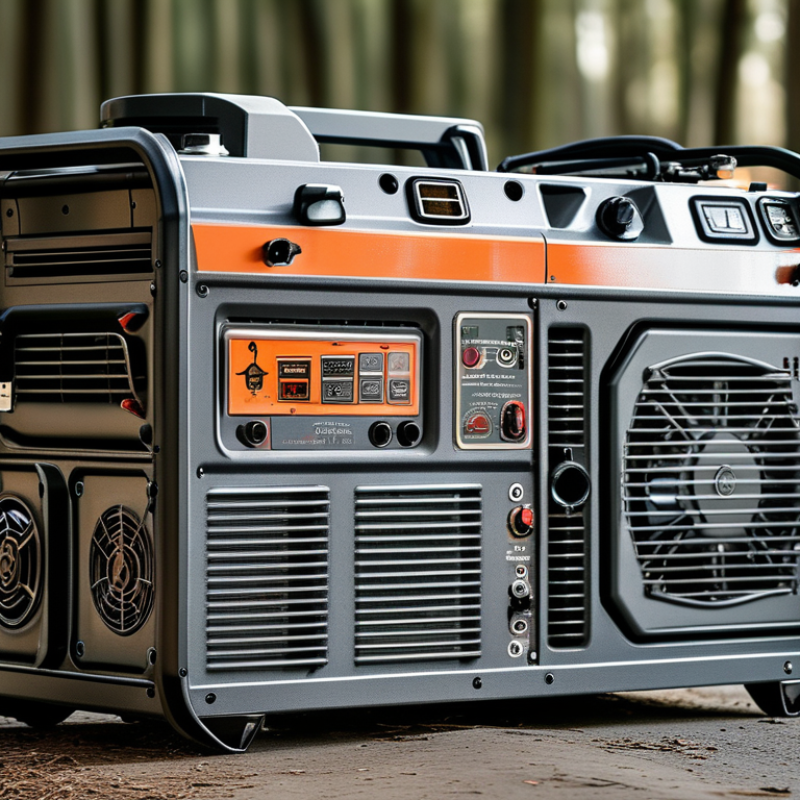
When determining your power needs, consider what essential appliances you rely on during an outage. This could include your refrigerator, heating system, or medical equipment. Analyzing your daily habits helps clarify which devices are crucial. Don’t forget to calculate their wattage requirements. Use a wattage calculator for precision, or refer to user manuals for guidance.
Think about your usage scenarios too. Will the generator be used for extended outages or short-term needs? Also, consider if you need portability for outdoor activities or backup for home use. This decision can impact the generator type you select. Assessing both power demands and usage scenarios will help secure a reliable power source during emergencies.
Be aware of your surroundings. Noise levels, fuel availability, and storage space matter. Some generators can be loud and disruptive. Do you have room to store fuel? Reflect on these factors to find a generator that fits seamlessly into your lifestyle.
| Power Output (Watts) | Fuel Type | Run Time (hours) | Ideal Usage Scenarios | Noise Level (dBA) |
|---|---|---|---|---|
| 2000 | Gasoline | 7 | Camping, Small appliances | 58 |
| 4000 | Propane | 8 | Recreation, Small home backup | 65 |
| 7500 | Diesel | 10 | Home backup, Construction | 72 |
| 10000 | Dual Fuel | 12 | Home backup, RVs, Industrial use | 70 |
| 12000 | Natural Gas | Continuous with connection | Emergency backup for larger homes | 75 |
Choosing the right emergency generator is crucial for preparedness. Understanding the different types available is the first step. There are portable generators, standby generators, and inverter generators. Each serves unique needs and environments.
Portable generators are versatile and easy to move. They can power tools, appliances, and more during outages. However, ensure you have enough fuel on hand. Standby generators provide backup power automatically during outages. They often require professional installation, but they offer reliability. Inverter generators are quiet and fuel-efficient, ideal for camping or tailgating. Yet, they may not have enough power for larger homes.
Tips: Consider your power needs first. Calculate the wattage required for essential appliances. Maintenance is key too. Regular inspections can prevent performance issues. Always read the manual for safe operation. These factors significantly impact how well the generator serves you during emergencies.
Choosing the right fuel type for your emergency generator is crucial. The options usually include gasoline, diesel, propane, and natural gas. Each type has its own advantages and disadvantages. For instance, gasoline is widely available but can quickly degrade over time. You may find it challenging to store safely.
Diesel generators often run longer on less fuel. They are more efficient but can be more expensive. Propane is cleaner and can be easier to store than gasoline. However, you’ll need to ensure you have enough fuel on hand when emergencies arise. Consider where you live. If natural gas is available, it can provide a reliable option. Yet, if the utility goes down, so does your power.
Your needs may change over time, and so will your situation. Make sure to think about your specific requirements. Think about fuel availability during disasters. It is wise to maintain a small stockpile of your chosen fuel type. Improper storage may lead to waste or safety risks. Each fuel has its unique challenges. Reflection on these choices will help you make a more reliable decision.
When searching for the best emergency generator, focus on essential features and specifications. Key elements include power output, fuel type, and runtime. The average generator provides between 3,000 to 10,000 watts, suitable for basic home needs. For larger homes or critical appliances, consider models exceeding 7,000 watts. This data aligns with industry reports indicating that many families consistently underestimate their power requirements during emergencies.
Fuel type greatly influences convenience. Gasoline is common and widely available, yet has a shorter shelf life. Propane, on the other hand, lasts longer and offers cleaner burning. According to a recent industry survey, more than 50% of users prefer propane for its storage advantage. Additionally, runtime is crucial; look for generators that can operate for a minimum of 8 hours on a full tank. Extended runtime ensures that essential devices remain operational during prolonged outages.
Don't overlook noise levels. Many generators operate above 60 decibels, which can be disruptive. Portable models often feature noise reduction technology. This is vital for neighborhoods where disturbances are frequently noted. Balancing power, fuel efficiency, and noise is key in selecting the right generator. Reflect on these details carefully; the best choice will depend on your specific needs and circumstances.
Choosing the right emergency generator involves understanding costs and maintenance. The average price for a reliable generator can range from $500 to over $5,000. Factors influencing cost include power capacity and fuel type. For instance, a portable generator generally costs less than a standby model. This price difference often reflects the convenience of automatic operation in emergencies.
Maintenance is crucial for ensuring your generator's reliability during power outages. According to industry reports, neglecting regular maintenance can cut a generator's lifespan by nearly 50%. Regular oil changes, filter replacements, and battery checks are essential. This upkeep might add another $100 to $300 yearly to your budget. However, these expenses are vital for long-term performance.
Consider also the fuel cost associated with different generator types. Natural gas models may have lower operating costs than diesel equivalents. These fuel savings can impact your long-term budget. It’s important to weigh the initial investment against ongoing expenses. Many users overlook maintenance and fuel costs, leading to unexpected expenses. This reflection can help in making informed decisions, ensuring your generator meets your needs reliably.
: Identify essential appliances during outages and calculate their wattage. Use a wattage calculator for accuracy.
Think about whether you need power for short outages or extended use. Portability is also important for outdoor activities.
Different fuels, like gasoline, diesel, propane, and natural gas, have unique advantages. Consider storage and availability during emergencies.
Ensure proper storage for your chosen fuel type. Poor storage can lead to waste and safety risks.
Prices range from $500 to over $5,000, depending on power capacity and type. Consider both initial purchase and ongoing maintenance expenses.
Neglecting maintenance can shorten a generator’s life by up to 50%. Routine oil changes and checks are crucial for reliability.
Some fuels, like natural gas, may have lower long-term costs. Evaluate fuel expenses alongside the generator’s purchase price.
Users often overlook ongoing maintenance and fuel costs, leading to unexpected expenses. Reflect on all financial aspects carefully.
Noise levels, fuel availability, and storage space can influence your generator choice. Assess how these fit your lifestyle.
Choosing the best emergency generator for your needs involves several key considerations. First, assess your power needs by determining what devices or appliances you plan to run during an outage. This will help you identify the right generator capacity. Next, evaluate the different types of emergency generators available on the market, including portable, standby, and inverter generators, each with unique benefits suited for various situations.
Additionally, consider the fuel type—such as gasoline, propane, or natural gas—and its availability in your area, as this can affect your generator’s performance and convenience. Review essential features and specifications, such as run time, noise levels, and safety features. Finally, budget for the initial cost and ongoing maintenance of the emergency generator, ensuring it meets your financial constraints while providing reliable backup power when needed.

Turskov