Industrial generators are essential for various industries today. They provide a reliable power source, especially in emergencies. According to John Smith, an expert in the field, "An Industrial Generator is critical for business continuity." This statement highlights their importance in preventing downtime.
Understanding how an industrial generator works can be complex. These machines convert mechanical energy into electrical energy through an engine. The engine runs on fuel, generating mechanical power. This power then activates a generator to produce electricity. However, not all generators operate the same way, and choosing the right one can be a challenge.
Many companies rely heavily on these systems, yet not all understand the intricacies involved. For instance, maintenance is crucial. Neglecting it can lead to failures at the worst possible times. The industry requires persistent attention to detail. Companies must invest in training and support to ensure the generators work effectively.
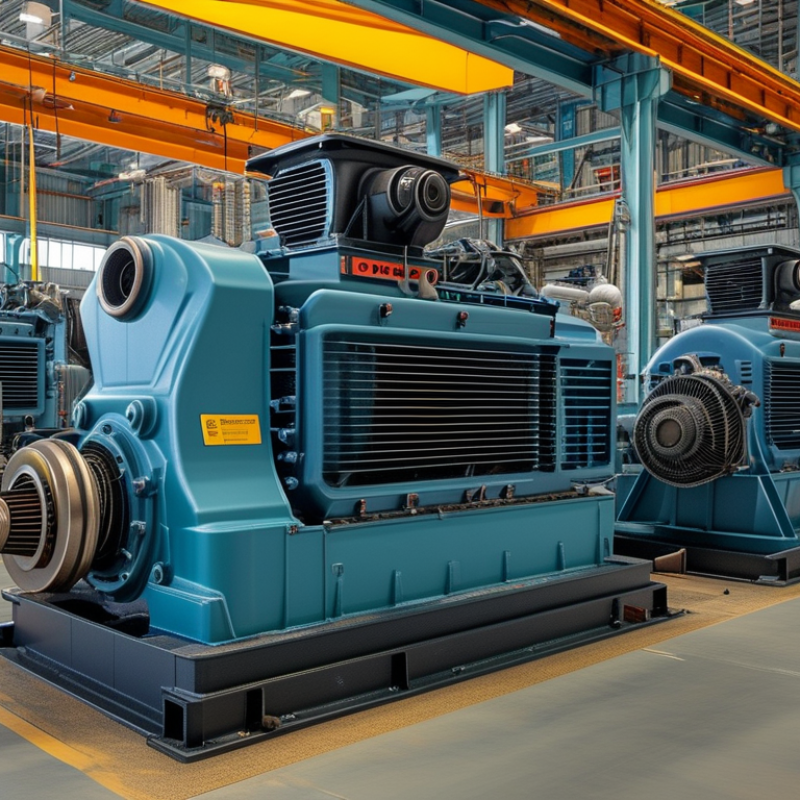
What is an Industrial Generator? Definition and Key Characteristics
An industrial generator is a robust machine designed to produce electricity on a large scale. These generators convert mechanical energy into electrical energy. They often burn fuel such as diesel or natural gas. Their primary purpose is to provide backup or primary power for industries during outages or high-demand periods.
Key characteristics of industrial generators include their capacity, efficiency, and durability. They can generate power ranging from a few kilowatts to several megawatts. Most are built to operate continuously in harsh conditions, ensuring reliability. Some generators are equipped with advanced technology for monitoring performance and fuel efficiency. However, the complexity of these systems can lead to maintenance challenges.
Understanding how industrial generators function is crucial. They contain an engine, an alternator, and a control panel. The engine develops mechanical energy, while the alternator converts it into electricity. This process requires intricate management to optimize performance. It’s essential to consider factors like fuel quality and maintenance schedules to ensure efficient operation. Neglecting these aspects can lead to failures or inefficiency, which can severely impact operations.
What is an Industrial Generator and How Does it Work?
| Characteristic |
Description |
| Power Output |
Ranges from 10 kW to several megawatts |
| Fuel Type |
Diesel, natural gas, propane, and biofuels |
| Application |
Used for backup power, off-grid energy, and continuous supply |
| Key Components |
Engine, alternator, control panel, and fuel system |
| Efficiency |
Typically ranges from 85% to 95% |
| Maintenance |
Regular checks on oil, fuel filters, and battery condition |
| Noise Level |
Can range from 60 dB to over 100 dB depending on the unit |
| Portability |
Available in stationary and mobile designs |
Types of Industrial Generators: Diesel, Gas, and Renewable Options
Industrial generators play a crucial role in various sectors. They provide reliable power during outages or in remote locations. The types of industrial generators can be categorized into diesel, gas, and renewable energy options, each with unique advantages and challenges.
Diesel generators are known for their durability and efficiency. They are widely used in construction and mining industries. They can run for long hours, but their emissions are a concern. Gas generators, on the other hand, are cleaner. They produce fewer pollutants and are often used in urban settings. However, they may require a natural gas supply, which can limit their placement.
Renewable options, like solar or wind generators, offer sustainability. They reduce reliance on fossil fuels and have a smaller carbon footprint. The initial investment can be high, and their output depends on weather conditions. Each type of generator has its trade-offs, requiring careful consideration for specific needs. Balancing efficiency, cost, and environmental impact is essential for making informed decisions in industrial power management.
How Industrial Generators Operate: Key Components and Mechanisms
Industrial generators serve as essential power supply solutions in various sectors. They typically include components like engines, alternators, and control systems. The engine converts fuel into mechanical energy, which the alternator transforms into electrical energy. According to the World Energy Council, global electricity consumption is expected to rise by 2.5% annually, highlighting the growing reliance on these systems.
The operation of industrial generators hinges on several key mechanisms. Cooling systems prevent overheating, while fuel systems ensure efficient combustion. A study from the International Energy Agency indicates that 70% of all energy generation now relies on these generators in off-grid situations. Regular maintenance is crucial. Overlooking small issues can lead to larger, costly failures.
Installation plays a pivotal role in the efficiency of these generators. Proper alignment and ventilation support optimal performance. Noise levels can be concerning in urban settings, often exceeding 85 decibels. Innovations are making strides in reducing impacts. However, the balance between operational efficiency and environmental factors remains delicate and needs careful consideration.
Monthly Power Output of Industrial Generators (2023)
This bar chart illustrates the monthly power output (in Megawatts) of various types of industrial generators throughout 2023. The data shows fluctuations in output based on operational efficiency and demand levels.
Applications of Industrial Generators in Various Industries
Industrial generators play a vital role across many sectors. In construction, they provide essential power for tools and lighting. Without these generators, projects could face significant delays. These machines ensure an uninterrupted workflow in remote locations.
In healthcare, industrial generators are crucial for maintaining operations during power outages. Hospitals rely on them to keep life-saving equipment running. This reliability can make a significant difference in patient care during emergencies.
Tips: Always assess your power needs. Overloading a generator can lead to failures.
Regular maintenance is key. Check fuel levels and engine health frequently. Neglect can cause unexpected issues.
In the data center industry, generators protect critical systems. They prevent data loss and ensure uptime. However, relying solely on generators can lead to complacency. It's essential to have backup plans in place. Generators should be part of a larger power management strategy.
Performance Metrics: Understanding Generator Ratings and Efficiency Factors
Industrial generators play a crucial role in various sectors, providing power during outages and supporting operations. Understanding performance metrics is essential for choosing the right generator. Ratings typically include power output, efficiency, and operational reliability. According to industry standards, an efficient generator operates at 80-90% efficiency, ideally minimizing fuel consumption while maximizing output.
One significant metric is load capacity, measured in kilowatts (kW). Industrial generators are rated for specific loads, ensuring they meet energy demands. A report by the International Energy Agency (IEA) indicates that properly sized generators can reduce operating costs by up to 30%. However, overloading a generator can lead to failures, highlighting the importance of precise calculations in generator selection.
Factors such as operational environment and maintenance affect generator performance. For instance, extreme temperatures can reduce efficiency, urging operators to consider cooling systems. It's vital to regularly assess these factors and implement improvements. Continuous monitoring allows for operational adjustments, ensuring generators perform within their defined metrics.
FAQS
: An industrial generator produces electricity on a large scale. It converts mechanical energy into electrical energy.
They typically burn diesel or natural gas. This helps them provide power during outages or high-demand periods.
Key traits include capacity, efficiency, and durability. They can generate from a few kilowatts to several megawatts.
They have an engine, an alternator, and a control panel. The engine produces mechanical energy that the alternator converts to electricity.
Types include diesel, gas, and renewable generators. Each has unique benefits and challenges depending on the application.
Diesel generators are durable and efficient. They are often used in construction and mining, but have emissions concerns.
Gas generators produce fewer pollutants. They are cleaner and suitable for urban areas, but may require a gas supply.
Renewable generators, like solar or wind, reduce fossil fuel reliance. Their output depends on weather, and the investment can be high.
They maintain operations during outages, supporting life-saving equipment. Reliability is crucial in patient care during emergencies.
Regular maintenance is vital. Check fuel levels and engine health often. Ignoring these can lead to unexpected failures.
Conclusion
An Industrial Generator is a specialized machine designed to provide electrical power for various industrial applications. These generators are characterized by their robust construction, high capacity, and ability to operate under demanding conditions. There are several types of Industrial Generators, including diesel, gas, and renewable options, each offering unique benefits suited for different operational requirements.
Understanding how Industrial Generators operate involves knowing their key components, such as the engine, alternator, fuel system, and control panel, which work together to convert fuel into usable electricity. Industrial Generators are utilized across multiple industries, including construction, manufacturing, and healthcare, providing essential power during outages or as a primary energy source. Performance metrics such as generator ratings and efficiency factors are crucial for evaluating the reliability and effectiveness of these systems, ensuring they meet the specific energy demands of their applications.

 Turskov