Explore our tier-one certified energy storage platforms configured for rapid deployment and maximum efficiency.
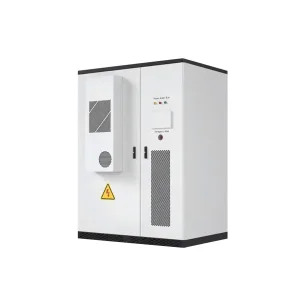
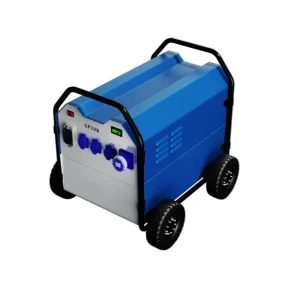
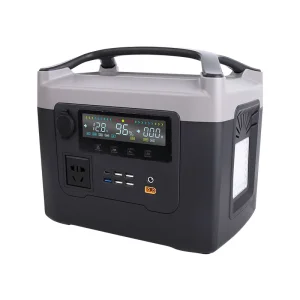
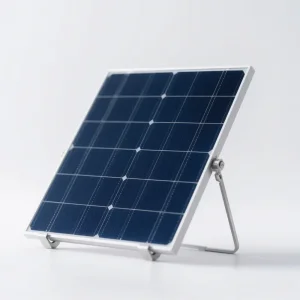
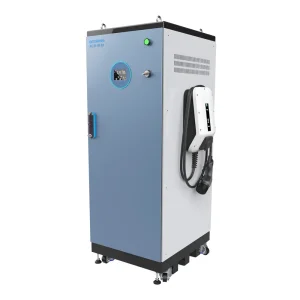
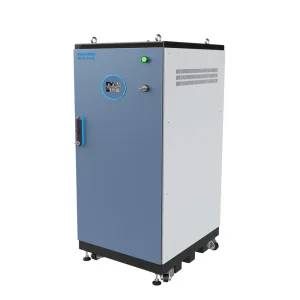
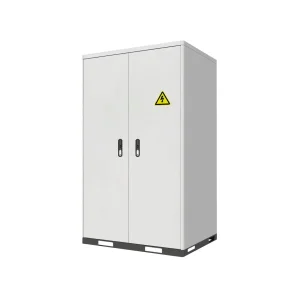
How utility-scale innovations are transitioning into commercial, industrial, and microgrid deployments.
As the international transition towards decentralized, decarbonized energy systems accelerates, the role of high-performance power walls has shifted from simple backup systems to strategic operational assets. With fluctuating energy tariffs, rising transmission congestion, and ambitious corporate carbon-neutrality mandates, modern enterprises require dynamic energy storage solutions. Zhejiang Wenzhou New Energy Technology Co., Ltd. is positioned at the intersection of this global shift, designing engineered battery platforms that deliver industrial-grade stability.
For multinational corporations and large-scale utilities, procuring power wall systems is no longer just about choosing a battery supplier. It is about integrating a comprehensive energy management ecosystem. High-capacity lithium iron phosphate (LFP) systems, ranging from 30kWh to over 215kW, now serve as critical hubs for grid stabilization, peak shaving, and clean backup power. Our factory solutions offer the robust build, advanced thermal management, and smart telemetry required to manage localized power grids in real time.
With our modern facility in Wenzhou, China's center of private enterprise innovation, we combine advanced manufacturing infrastructure with rigorous QA protocols. Operating under ISO 9001, ISO 14001, and ISO 45001 systems, our CNAS-certified testing facilities ensure every battery module meets strict safety guidelines before departure. This quality-first approach allows us to deliver high-performance equipment for demanding markets globally.
A detailed look at the cell chemistry, safety engineering, and integrated systems of our power wall platforms.
Our energy storage products utilize Tier-1 automotive-grade Lithium Iron Phosphate (LiFePO4) cells. Known for high thermal stability and a long cycle life, our LFP chemistry delivers reliable performance across demanding load profiles. By pairing these cells with our 5th-generation hybrid inverter technology, the system achieves a conversion efficiency of 98.5%, reducing energy losses during charge and discharge cycles.
| Parameter Specification | Residential Storage (45-60kWh) | C&I Storage (100-215kW) |
|---|---|---|
| Cell Chemistry | LiFePO4 (LFP) | LiFePO4 (LFP) | Rated System Efficiency | > 96.5% | > 98.5% |
| Cycle Durability | > 6,000 Cycles @ 80% DoD | > 8,000 Cycles @ 85% DoD |
| Communication Bus | CAN, Modbus, RS485 | Ethernet, Modbus TCP, CAN |
| Housing Grade | IP65 Dust & Moisture Protection | NEMA 3R / IP65 Outdoor Cab |
| Certifications | CE, UN38.3, IEC 62619 | UL 1973, UL 9540A, CE |
Meeting the supply chain, compliance, and custom design requirements of global enterprises and OEM/ODM clients.
Modern supply chain managers face complex requirements when sourcing energy storage equipment. To serve major distributors and retail partners like Walmart and Home Depot, products must meet high quality, delivery, and compliance standards. Our factory solutions handle the entire pipeline: from engineering prototypes and custom software configurations to high-volume manufacturing and localized compliance verification.
We work closely with logistics partners to ensure safe transport for lithium-ion batteries. Our blockchain-enabled traceability system tracks key components from raw material extraction to final delivery. This database provides clear carbon footprint documentation and verification of materials, helping companies meet their Environmental, Social, and Governance (ESG) targets.
Additionally, our support structure keeps pace with your operations. With a dedicated, 24/7 technical team, we offer real-time system integration support and remote firmware updates through secure, encrypted cloud services. This reduces setup times and keeps your storage units running smoothly.
Our commitment to continuous innovation in solid-state cells, high-density packaging, and software.
Our research and development program focuses on pushing energy density and system performance forward. By integrating high-density cell structures with optimized cooling, we plan to increase capacity by 35% within the same cabinet size over the next two years. This allows businesses with limited physical space to deploy larger storage reserves.
On the software side, we are building intelligent power dispatching algorithms into our Energy Management Systems (EMS). These algorithms evaluate utility pricing trends, weather forecasts, and historical facility usage to optimize charge cycles. This helps users save on utility bills and ensures backup power is always ready when storms or outages threaten localized grids.
Furthermore, our factory is working toward Net-Zero certification by 2030. We integrate solar power generation and our own storage units into our manufacturing processes to lower our carbon footprint. When you select us as your ODM partner, you choose a supply chain committed to reducing carbon emissions by 1 million tons by 2030.
Navigating regional grid rules, safety standards, and logistical requirements with experienced engineering teams.
Deploying energy storage equipment globally requires meeting diverse local regulations and standards. From UL and IEEE requirements in North America to IEC directives in Europe and AS/NZS codes in Oceania, compliance is critical for grid safety and insurance approval. Zhejiang Wenzhou New Energy Technology Co., Ltd. builds international compliance into every stage of development, designing products that align with safety codes across our 28+ export markets.
We work closely with local engineering partners and electrical distributors to offer support throughout installation and utility approval. Our customizable grid-tied systems can be configured with specific frequency and voltage parameters, making it easier to integrate our units into regional networks. By addressing safety and regulatory compliance upfront, we help you get systems online quickly and reliably.
Clear answers to common questions about installation, safety, integration, and custom capabilities.
Our off-grid solar power systems are designed to provide energy independence. They capture solar energy through high-efficiency panels, convert it to DC electricity, and store it in LFP battery packs. The integrated pure sine wave inverter then converts the DC power into stable AC electricity for household and commercial appliances. During utility failures, the system switches automatically, protecting appliances from surges and power interruptions.
Combining generation, storage, and inversion into one pre-engineered unit simplifies installation, reduces cabling complexity, and minimizes conversion losses. Our 5th-generation hybrid inverter system operates at 98.5% efficiency. Having these components in a unified design allows for centralized monitoring and lets our BMS adjust system parameters dynamically to maximize efficiency.
We use high-stability LFP cells and manage them with an active multi-tier Battery Management System (BMS). The system monitors parameters like cell voltage, state-of-charge, and temperature, and features automatic cutoff controls, fault isolation, and internal cooling. These mechanisms prevent issues like over-voltage, thermal runaway, and short circuits, meeting UL 1973, CE, and UN38.3 standards.
We offer comprehensive OEM/ODM customization services. Our teams can tailor system capacity (ranging from 120W portable models to 215kW containerized storage setups), modify voltage configurations, brand the enclosure, and design custom software protocols. We support integrations with third-party software via CAN, Modbus, and RS485 communication protocols, ensuring the equipment fits seamlessly into your ecosystem.
Our blockchain traceability system logs the sourcing and assembly steps for key components, creating a secure, unalterable digital record of our supply chain. This tracking verifies carbon footprint metrics and documents mineral sourcing, helping corporate procurement teams verify compliance with environmental targets and ESG reporting standards.
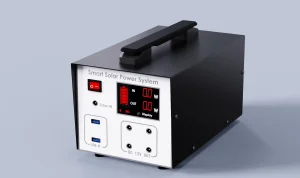
Explore additional systems designed for field use, remote installations, and grid integration.
 Turskov