OEM Solar Off-Grid Energy System Manufacturers & Factories

Next-Generation Decarbonized Microgrids & Intelligent Storage Solutions for Global Enterprise Markets

15,000+
Sqm Production Hub
36+
Global Tech Patents
98.5%
Inverter Conversion Eff.
28+
Export Destinations

Industry Whitepaper: De-Risking Grid Independence

1. The Structural Macro Shift in Commercial & Industrial Off-Grid Infrastructure

Global microgrid deployment is undergoing a foundational paradigm shift. Commercial, Industrial (C&I), and residential spaces are moving away from dirty, diesel-fueled backup generators toward high-density, smart-managed solar off-grid systems. Rising geopolitical grid volatility, escalating diesel prices, and rigorous global ESG requirements have made decentralized renewable storage not just an ecological goal, but an operational necessity.

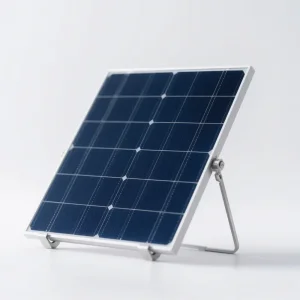
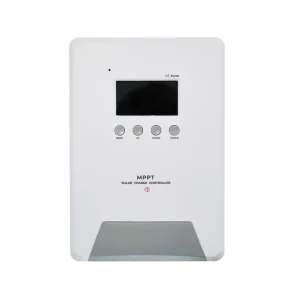
Modern off-grid systems operate as critical energy architecture. Integrating bifacial photovoltaic modules, smart Maximum Power Point Tracking (MPPT) charge controllers, and advanced Lithium Iron Phosphate (LiFePO4) storage, these systems stabilize infrastructure nodes. The target is clear: lowering the Levelized Cost of Energy (LCOE) while providing absolute galvanic isolation from unstable local utility grids.

2. Global B2B Procurement Mandates: Sourcing OEM/ODM Reliability

Procurement officials representing Engineering, Procurement, and Construction (EPC) firms, utility developers, and retail giants like Walmart and Home Depot operate under strict regulatory and lifetime metrics. The selection of an OEM/ODM off-grid solar energy systems manufacturer hinges on rigorous technical validation:

  • Energy Density & Chemical Stability: A strict transition from lead-acid chemistries to advanced LiFePO4 cells to ensure 6,000+ thermal cycles at 80% Depth of Discharge (DoD).
  • Dynamic Power Inversion: Pure sine wave smart hybrid inverters capable of parallel scaling up to 15 units, delivering split-phase outputs and direct microgrid control.
  • Regulatory Compliances: Absolute requirement for certifications such as IEC 62109, UL 1973, UL 9540A (thermal runaway prevention evaluation), CE, and RoHS.
System Capacity Core Application Storage Chemistry Inverter Technology Expandability
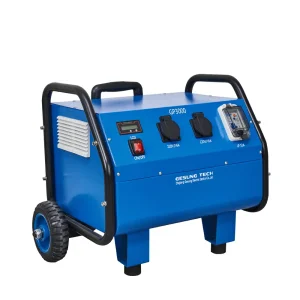
3kW - 10kW Residential Backup & Mobile Telecom Nodes LiFePO4 (Lithium Iron Phosphate) High-Frequency Pure Sine Wave Up to 3 Units Parallel
30kWH - 60kWH Agricultural Microgrids & Emergency Depots Prismatic LFP Battery Pack Industrial Split-Phase MPPT Hybrid Modular Rack Expansion
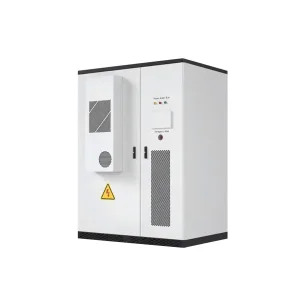
100kW - 215kW C&I Facilities, Data Centers & Peak Shaving Liquid-Cooled Smart LFP Enclosures Active Bidirectional EMS Interfacing Multi-Megawatt Scaling Support

3. China Factory 4.0: Supply Chain Resilience & R&D Prowess

At the core of the global solar transition stands China's advanced manufacturing corridor. Industry 4.0 smart factories combine vertical manufacturing integration with unparalleled component access, ensuring quick deployment timelines even under volatile global shipping circumstances.

Zhejiang Wenzhou New Energy Technology Co., Ltd. operates a state-of-the-art 15,000+ square meter facility in Wenzhou, China's historical hub of private economic drive. We do not simply assemble components. From structural sheet metal punching to complex PCB surface mounting for hybrid EMS systems, our manufacturing processes occur entirely in-house.

CNAS-Certified Laboratories

Our facilities feature in-house testing zones simulating extreme environmental factors, mechanical drop stress, and electrical safety profiles over accelerated life cycles.

EMC Testing Centers

We ensure zero electromagnetic interference with high-frequency telecom nodes and nearby medical instruments, passing strict FCC Part 15 and CISPR guidelines.

ISO Quality Matrix

Operating under ISO 9001, ISO 14001, and ISO 45001 frameworks, our plant maintains strict quality control gates from component check-in to final container loading.

By leveraging more than 36 patented in-house technologies, our research division has engineered a 5th-generation hybrid inverter that achieves an industry-leading 98.5% conversion efficiency. With over 200 dedicated technical specialists and an annual output exceeding 50,000 units, we provide reliable, scalable OEM/ODM pipelines to major distribution channels globally.

4. Localized Application Scenarios for Industrial Decarbonization

Off-grid power demands vary wildly by environment. High-reliability design means engineering products suited to the real-world pressures of local micro-climates:

  • Remote Telecommunications Nodes: Cellular base stations positioned in mountainous or desert areas require consistent DC/AC power under extreme temperature swings. Integrated MPPT smart control maintains battery health without on-site service requirements.
  • Off-Grid Agriculture: Solar water pumping, automated irrigation, and livestock environmental controls require dynamic high-surge output capacities to starting heavy-duty induction motors without brownout risks.
  • Data Centers & Critical C&I Infrastructure: In urban centers with weak utility grid support, our 215kW systems function as active buffers. They combine solar peak shaving with millisecond-level automated UPS failovers, securing data storage operations.
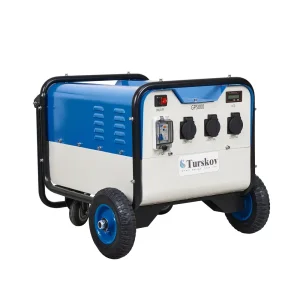
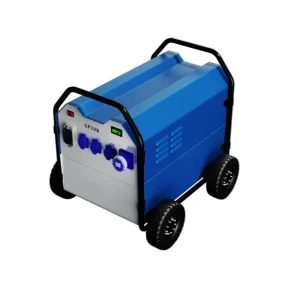
  • Disaster Recovery & Mobile Emergencies: Easily deployable trailer-mounted generators (5kW to 10kW) serve as critical lifelines for humanitarian encampments and frontline trauma tents.

Sustainable Target: Net-Zero Manufacturing Pipeline

"We are actively optimizing our facilities to receive the certified Net-Zero Manufacturing badge. Our global logistics system integrates a blockchain-backed material sourcing architecture, providing our corporate clients with verified Scope 3 carbon reduction metrics to meet their internal ESG commitments."

FAQ: System Architecture & Technical Specifications

Get professional technical insights regarding off-grid setup, battery choices, and integration dynamics.

Q1: How does the integrated inverter system optimize off-grid power generation?
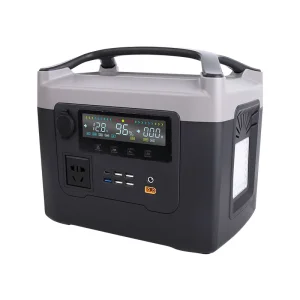
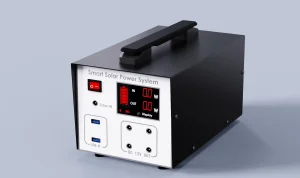
The solar-powered portable charging station with an integrated inverter combines power generation, storage, and inversion functions into a single modular enclosure. It collects raw photovoltaic energy through solar panels, converts it efficiently, and stores it in high-density built-in LiFePO4 batteries. The system's internal pure sine wave inverter converts stored Direct Current (DC) into Alternating Current (AC) to charge electric vehicles, run industrial equipment, or power household appliances. Its intelligent control system actively adjusts output power based on the battery's real-time State of Charge (SoC) and load demand to maximize efficiency.
Q2: What are the primary advantages of functional integration in off-grid solar equipment?
Functional integration brings together power generation, MPPT control, battery storage, and dynamic inversion in one unit. This layout avoids the complex cabling, compatibility issues, and installation overhead typical of split component designs. It minimizes overall electrical impedance, reduces potential failure points, and ensures stable operations.
Q3: Why is Lithium Iron Phosphate (LiFePO4) preferred over lead-acid batteries?
LiFePO4 offers exceptional thermal and chemical stability, minimizing fire risks under extreme conditions. It supports over 6,000 cycles at 80% Depth of Discharge (DoD), drastically outlasting traditional lead-acid options. Additionally, it has a higher power density and is highly eco-friendly, containing zero toxic heavy metals.
Q4: What customization (OEM/ODM) support is available for large-scale B2B orders?
We provide comprehensive customization paths, including specific battery capacity adjustments (from 3kWh up to multi-megawatt configurations), tailored inverter output parameters (voltage, frequency, and split-phase designs), customized chassis structures, private labeling, and local firmware translations. All OEM processes are backed by our ISO quality certifications and automated test reports.
Q5: How does the system secure uninterrupted power during grid failures?
Equipped with millisecond-level automatic transfer switches (ATS), our off-grid systems monitor main grid stability continuously. Upon detecting grid failures or drops, the internal EMS shifts source pathways to the battery bank in under 10ms, securing critical operations for medical equipment, refrigerators, data hubs, and industrial automation lines.