Explore our high-efficiency engineered energy storage configurations, portable generators, and system solutions.
In the contemporary industrial sector, the transition towards off-grid decentralized energy solutions is no longer merely a corporate sustainability strategy; it has evolved into a baseline operational imperative. Severe climatic disturbances, increasing utility transmission pricing, and systemic grid instability are compelling global enterprises to install autonomous on-site microgrids. Off-grid solar energy systems combined with energy storage systems (ESS) allow manufacturing centers, processing facilities, remote mining stations, and critical infrastructure to disconnect seamlessly from unreliable central grids while optimizing Levelized Cost of Energy (LCOE).
Globally, markets such as North America, the European Union, and the Asia-Pacific region are implementing divergent yet complementary drivers for off-grid configuration. In Europe, the strict mandates of the Corporate Sustainability Due Diligence Directive (CSDDD) require companies to reduce Scope 1 and Scope 2 emissions, leading to high integration rates of commercial battery systems. In emerging markets, such as remote areas of Africa and Latin America, off-grid systems bypass the non-existent or financially unfeasible expansion of standard high-voltage transmission lines, providing instantaneous electrification of telecom towers, agricultural cold storage plants, and medical clinics.
“By transitioning from centralized infrastructure dependence to dynamic, modular off-grid networks, multinational corporations can guarantee 99.999% uptime for localized facilities while hedging against long-term fuel and utility price volatility.”
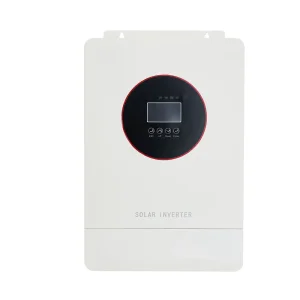
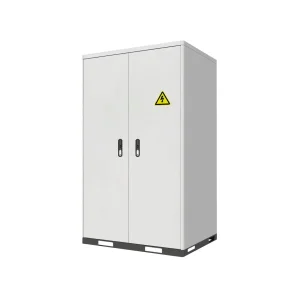
By utilizing multi-megawatt battery cabinets, advanced maximum power point tracking (MPPT) logic controllers, and integrated high-conversion-efficiency inverters, modern factories can convert high-yield daytime solar energy into stable grid-quality AC electricity. This allows smooth integration with critical machinery, server arrays, and baseline automation platforms.
A global benchmark in intelligent power electronics manufacturing and integrated off-grid architecture R&D.
Headquartered in Wenzhou, China's hub of private economy, our state-of-the-art manufacturing campus implements strict ISO 9001, ISO 14001, and ISO 45001 management protocols to deliver tier-one energy products to Fortune 500 corporations worldwide.
Our infrastructure houses advanced CNAS-certified laboratories, complex electromagnetic compatibility (EMC) testing rooms, and high-frequency wave-soldering automation assembly zones. Operating since our foundation, we serve key multi-national entities like Walmart and Home Depot, leveraging a global support pipeline backed by blockchain trace tracking.
The dominance of China’s factories in the supply chains of renewable energy is a result of advanced clusters, highly developed infrastructure, and rapid industrialization. Unlike Western competitors who often rely on external component outsourcing, Chinese factories in industrial hubs like Zhejiang Wenzhou integrate the entire value chain under one ecosystem. From early-stage semiconductor processing and cell fabrication to finalized cabinet structural stamping and safety certifying audits, vertical integration maximizes efficiency and eliminates global shipping bottlenecks.
Zhejiang Wenzhou New Energy Technology Co., Ltd. demonstrates this industrial capacity by producing over 50,000 units of complex off-grid solutions annually. Our engineers can develop customized OEM prototypes in less than 14 days. By leveraging localized supply clusters for lithium iron phosphate (LiFePO4) raw materials, copper transformers, and microprocessor microchips, our facility significantly reduces manufacturing overheads, transferring these cost advantages directly to global B2B buyers.
Furthermore, our advanced quality-control cycle involves automated optical inspection (AOI), strict battery thermal run-away prevention testing, and comprehensive simulation chambers to mimic desert temperatures, humid marine zones, and high-vibration logistics conditions.
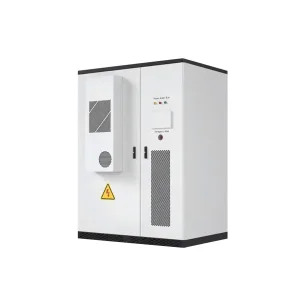
Integrating large-scale solutions, such as the 215kW Commercial ESS, ensures zero-millisecond failover for data banks, telecom centers, and cold chain systems during primary grid failure.
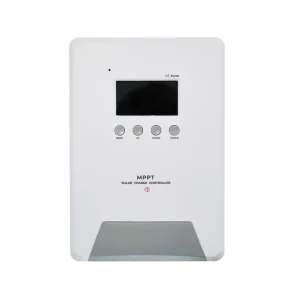
Utilizing high-power intelligent MPPT solar units allows farms to power heavy-duty deep-well water pumps in isolated rural regions without relying on diesel-driven generators.
Providing rapid-deployment 10kW to 100kW mobile trailers designed for rescue operations, military outposts, and emergency communication setups in harsh environments.
Establishing off-grid power walls (30KWH to 60KWH configurations) to supply complete energy autonomy for remote eco-resorts, islands, and high-altitude dwellings.
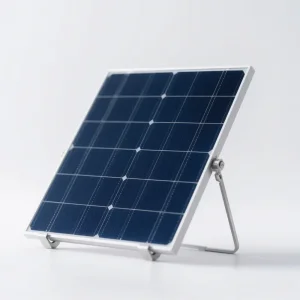
As modern life becomes increasingly dependent on electricity, power outages can cause significant inconvenience for households. The solar off-grid power system offers a reliable solution by providing backup energy for homes. This system uses high-efficiency solar panels to capture sunlight during the day, converting it into electricity that is stored in advanced lithium iron phosphate batteries. Even during power grid failures, it can deliver steady energy supply to household devices.
The off-grid solar market is currently undergoing a massive shift towards software-defined energy systems. Advanced battery cabinets are no longer just passive containers for chemical energy storage; they are intelligent IoT nodes. Modern systems integrate smart energy management software (EMS) that monitors solar output and battery state-of-health (SOH) in real time. It automatically selects the most cost-effective power source, switches load profiles to maximize savings, and predicts maintenance needs before hardware issues can occur.
For B2B procurement managers and EPC (Engineering, Procurement, and Construction) contractors, selecting an OEM supplier requires evaluating strict engineering criteria. Key considerations include:
Addressing critical engineering, design, and regulatory queries commonly raised by energy sector procurement professionals.
Advanced mobile storage generators, smart controllers, off-grid inverters, and high-capacity backup systems.
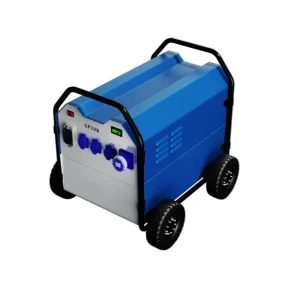
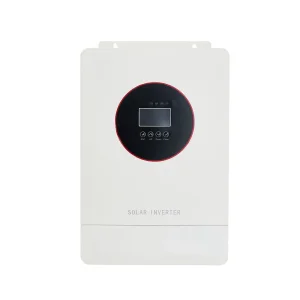
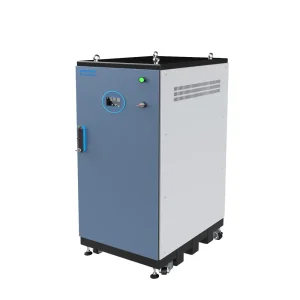
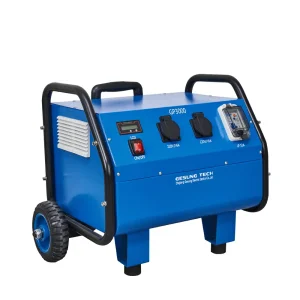
The solar-powered portable charging station with integrated inverter combines power generation storage and inversion functions into one system. It collects energy through solar panels converts it into electricity and stores it in built-in batteries. The inverter then converts direct current into alternating current to charge electric vehicles or other devices. Additionally its intelligent control system adjusts charging power based on battery status and real-time demand to enhance efficiency.
The solar-powered portable charging station with integrated inverter is easy to use and feature-rich making it an efficient and eco-friendly charging solution. It provides reliable energy support for electric vehicles and proves useful in outdoor and power outage situations bringing new opportunities to renewable energy applications.
 Turskov