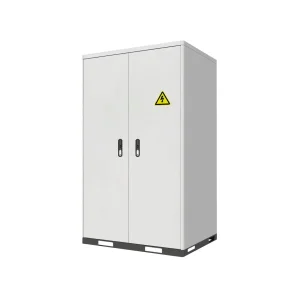
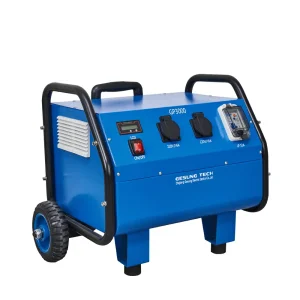
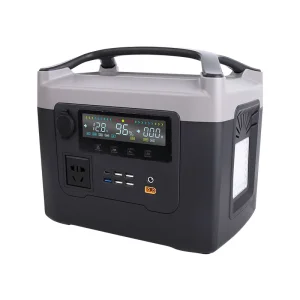
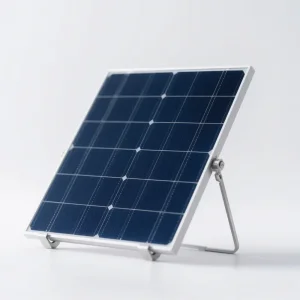
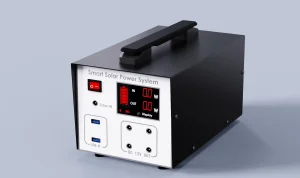
The global recreational vehicle (RV) industry is undergoing an unprecedented transition from internal combustion engine (ICE) backup generators to silent, zero-emission, high-density Lithium Iron Phosphate (LiFePO4) energy storage systems. Traditionally, RV enthusiasts and commercial mobile fleets relied on petrol or diesel auxiliary generators. However, tightening noise ordinances in national parks, soaring fuel costs, and the absolute demand for clean, stable pure-sine wave electricity to power complex onboard electronics (including variable-frequency HVAC systems, induction cooktops, and remote workstations) have forced a structural technological shift.
Modern mobile habitats require integrated systems that combine power generation, dynamic energy storage, and bidirectional power conversion into a single space-optimized footprint. As a leading specialized manufacturer, we engineered our latest systems to meet this exact commercial criteria. The modern RV energy storage generator is no longer a simple battery pack; it is a smart, cloud-connected microgrid that balances inputs from high-voltage solar arrays, engine alternators, and shore power connections, ensuring uninterrupted operation in any wilderness or off-grid industrial scenario.
Enterprise clients, fleet operators, and tier-1 RV manufacturers looking to source RV energy storage generators at a wholesale scale face stringent engineering requirements. The evaluation of factory capabilities must transcend basic pricing and look directly at system safety, supply chain certification, and thermal management control. RV interiors are subject to extreme vibrations, shock loads, and varying temperature ranges, which demand automotive-grade structural design in battery modules.
Commercial buyers are prioritizing the following features when selecting manufacturing partners:
Combining MPPT solar charging controller, high-frequency pure-sine wave inverter, and automotive-grade battery cells into a plug-and-play unit. This modular system significantly minimizes cable losses, eliminates electromagnetic interference (EMI), and cuts assembly time on RV conversion production lines by up to 65%.
Compliance is non-negotiable. Sourced factories must maintain rigorous certifications, including UN38.3 (battery transportation safety), UL1973 (batteries for use in stationary and mobile applications), IEC 62619, and EMC testing reports to satisfy international automotive regulations.
Modern fleets demand cellular and Bluetooth interface integrations. An intelligent Energy Management System (EMS) allows operators to monitor cell balance, state-of-charge (SoC), temperature profiles, and predicted lifespan metrics remotely via cloud APIs.
When ordering energy storage generators for rugged RV setups, specify LiFePO4 (Lithium Iron Phosphate) chemistry. LFP provides over 4,000 duty cycles to 80% DoD, maintains chemical stability up to 60°C, and carries virtually zero risk of thermal runaway compared to standard ternary lithium cells.
Zhejiang Wenzhou New Energy Technology Co., Ltd. (our suggested full corporate identity), headquartered directly within Wenzhou, China's dynamic hub of private manufacturing economy, has stood at the forefront of renewable energy technology solutions since its establishment in 2020. Over our expansive 15,000+ square meter state-of-the-art facility, we have implemented advanced Industry 4.0 automation systems, housing CNAS-certified inspection laboratories, dedicated electromagnetic compatibility (EMC) testing centers, and specialized R&D zones operating under strict ISO 9001/14001/45001 management protocols. This infrastructure guarantees comprehensive quality control from the entry of raw lithium cells to the deployment of finished power stations.
Our Wenzhou manufacturing complex takes full advantage of local premium raw material supply chains, providing unparalleled cost structures and delivery speed. By combining advanced digital production schedules with our 200+ technical engineering experts, we maintain a robust annual capacity of 50,000 high-capacity energy units. Our development team has filed 36 proprietary patents, notably including our landmark 5th-generation hybrid inverter system that achieves an industry-leading conversion efficiency of 98.5%. This technical dominance is the reason we successfully offer comprehensive OEM/ODM solutions to Fortune 500 retailers such as Walmart and Home Depot, exporting specialized off-grid equipment to 28+ countries.
Further strengthening our reliability, we deploy a proprietary blockchain-enabled component traceability system alongside 7x24 multilingual customer service pipelines. This system ensures that every cell’s history is verifiable, helping field operations resolve 90% of technical inquiries within 2 hours. Looking forward, our facility is actively pursuing official Net-Zero Factory certification, targeting a cumulative global carbon reduction footprint of 1 million tons by 2030.
The core design of our solar-powered portable charging stations and RV power walls centers on maximum energy utilization. By integrating the MPPT controller, pure-sine inverter, and battery pack, we eliminate the conversion losses typically associated with multi-device configurations. The diagram of efficiency details how electricity flows through our integrated systems:
This streamlined approach means less wiring, reduced physical weight, lower installation complexity, and maximum reliability in rugged vibration environments like motorhomes and utility vehicles.
Our industrial and portable systems are built to perform across diverse global environments. Here is how wholesale clients apply our technology in local markets:
Designed to mount into RV electrical compartments or under-bench spaces. Provides off-grid enthusiasts with silent AC power for refrigerators, induction stovetops, and water pumps, removing the need for loud and exhaust-heavy traditional gas generators.
Ideal for commercial utility vans, mobile service trucks, and telecom repair fleets. Keeps heavy diagnostic tools, power drills, and field safety gear charged on-site without burning truck fuel through idling engines.
Acts as critical backup during grid failures. Instantly supplies electricity to municipal emergency centers, remote clinics, and home medical devices, offering a safe, reliable, and emission-free energy resource.
 Turskov