Explore our premium grade off-grid microgrid components, complete systems, and modular battery walls engineered to satisfy robust power storage parameters.
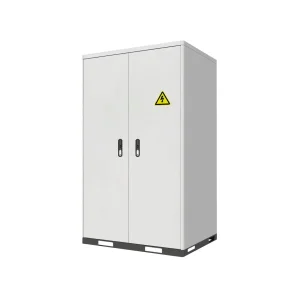
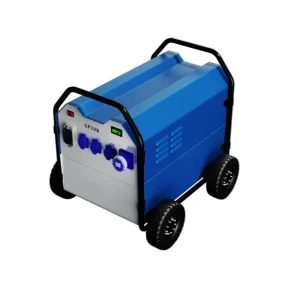
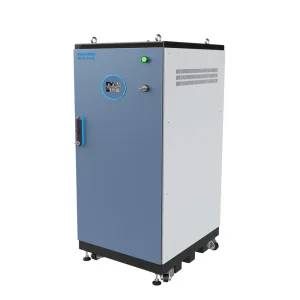
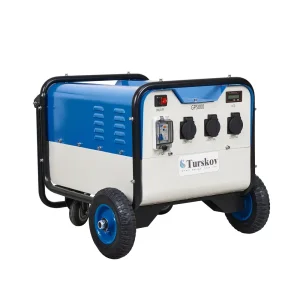
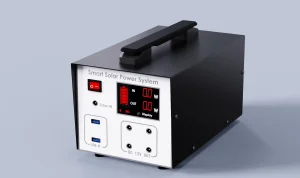
Established in 2020, Zhejiang Wenzhou New Energy Technology Co., Ltd. has scaled rapidly to become a dominant global force in renewable solar off-grid systems. Headquartered in Wenzhou, China's core private economic development zone, our industrial plant comprises modern manufacturing modules, automated assembly units, and state-of-the-art testing complexes.
Our operation conforms rigorously to the highest global operational and administrative frameworks. Our facility houses fully-certified CNAS laboratories and high-performance EMC testing centers. Backed by certified management systems including ISO 9001, ISO 14001, and ISO 45001, we ensure that every single cell, circuit board, and inverter that passes through our manufacturing lines complies with critical international standards.
With an annual manufacturing capacity exceeding 50,000 units, we serve as an essential tier-one OEM/ODM hardware supplier to top-tier international retailers such as Walmart and Home Depot, as well as utility contractors seeking custom power architectures.
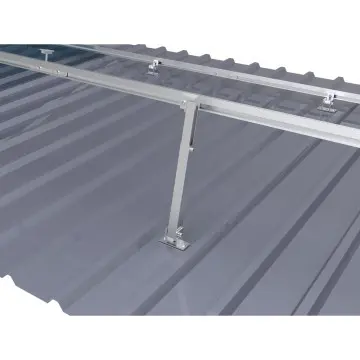
A comprehensive analysis of how modular, off-grid lithium storage and smart pure sine wave inverters are replacing old generator assets.
A true Solar Autonomous Power System differs significantly from traditional grid-tied residential setups. Rather than simply exporting power to get feedback credits, an autonomous system operates a self-contained microgrid. The system relies on three pillars: generation (monocrystalline solar panels), storage (LiFePO4 chemical battery cells), and high-frequency conversion (pure sine wave inverters combined with MPPT controllers).
By using smart-integrated battery management systems (BMS) and advanced energy management system (EMS) software, our systems monitor power generation patterns in real-time. When solar arrays yield peak power during midday, the EMS directs the energy into the high-voltage lithium banks while simultaneously running local loads. By integrating smart inverter circuitry, conversion losses are minimized, achieving a benchmark 98.5% efficiency rate. This prevents thermal leakage and maintains battery health across 6,000+ lifecycle charges.
| System Architecture Component | Primary Technical Mechanism | Operational Efficiency / Parameter |
|---|---|---|
| Lithium Iron Phosphate Storage (LiFePO4) | Dual-layer cell thermal management, high power output density, non-combustible cell chemistry. | >6,000 cycles at 80% Depth of Discharge (DoD) |
| 5th-Gen Hybrid Smart Inverter | Pure sine wave conversion, real-time power vector tracking, integrated utility-grade bypass switch. | 98.5% Peak Conversion Efficiency |
| Solar Charge Controllers (MPPT) | Multi-phase power point tracking, high PV input voltage handling, ultra-fast dynamic sweep. | 99.9% MPPT Efficiency |
| Intelligent Control System (EMS) | Demand-based dynamic charging, IoT sensor telemetry, cellular/Wi-Fi remote fleet monitoring. | Under 20ms automatic transfer time |
"Integrating generation, storage, and sine-wave inversion into a unified smart grid chassis simplifies system architecture, decreases deployment times by 60%, and increases overall grid resilience in remote areas."
Combines power generation storage and inversion in one unit reducing system complexity and ensuring stable operation. No complex inter-device wiring required.
Primarily uses solar energy reducing dependency on the grid and lowering carbon emissions consistent with global sustainability goals.
Compact and easy to carry and install making it ideal for home, outdoor, and emergency scenarios where space is at a premium.
Supports demand-based charging automatically optimizing strategies for efficient energy use based on historical storage metrics and live forecasts.
Offers long-term benefits with one-time investment reducing electricity costs especially suitable for users without fixed charging infrastructure.
Serves as a reliable backup power source during grid failure ensuring continued operation of essential devices, communication links, and security infrastructure.
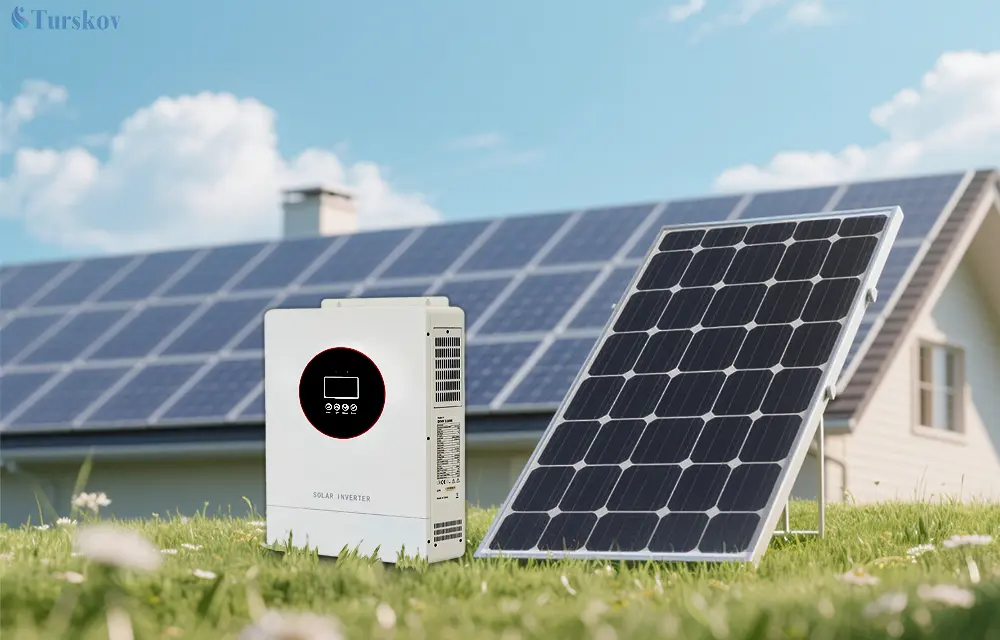
Procuring raw silicon, raw lithium carbonate, and high-frequency copper transformers directly from Wenzhou's industrial cluster minimizes manufacturing costs. Our integrated supply chain isolates our clients from sudden global market shocks. Because we run CNC sheet metal fabrication, PCB automated optical inspection (AOI), and battery aging testing chambers under one roof, we eliminate intermediate processing costs. Our clients benefit from wholesale pricing structures combined with highly customized product footprints.
For B2B buyers, importing complex electrical equipment requires clear compliance documentation. We maintain active compliance databases, providing full certification packages including UL 9540A testing data, CE compliance reports, IEC 62619 safety data, and UN 38.3 shipping certification. We utilize blockchain-based serialization across every battery block, allowing direct tracing of lithium raw material extraction back to original refineries. This level of traceability helps corporate buyers satisfy Scope 3 supply chain compliance rules.
Operating a solar off-grid generator system or off-grid power wall ensures continuity of critical infrastructure. Below are four key scenarios where our integrated setups provide reliable power support:
Ensures immediate, uninterrupted electricity supply for lighting, medical equipment, refrigerators, water filtration, and home electronics during grid failures. Prevents asset loss and ensures comfort in harsh winter or extreme heat waves.
Powers off-grid telecommunication relay towers, military field bases, agricultural pumping stations, and research centers located deep in mountainous, desert, or remote environments. Saves the cost of laying new power lines.
Provides critical backup to emergency rescue camps, mobile triage stations, and command centers during floods, earthquakes, or localized infrastructure damage. Modular generators deploy fast and operate silently without fuel pipelines.
Analyzing key advancements driving the next decade of decentralized autonomous power systems.
While Lithium Iron Phosphate (LiFePO4) remains the industry gold standard for safety and cost, research is shifting toward solid-state designs. Solid-state lithium chemistries offer double the volumetric energy density of liquid electrolytes, virtually eliminating thermal runaway risks. We are currently evaluating solid-state pack prototypes in our Wenzhou CNAS labs, aiming for commercial scale deployment by 2026. This chemistry will reduce portable power station weight by 40% while doubling operational running times.
Autonomous systems are increasingly integrated with edge computing. By collecting environmental telemetry, cloud servers use local weather forecasting data to anticipate incoming cloud cover. The systems adjust depth-of-discharge levels in advance to maintain emergency capacity. Dynamic grid pricing logic also allows smart systems to sell power back to local utility connections during peak demand periods. This strategy improves return-on-investment timelines for commercial buyers, turning a simple backup system into an active revenue source.
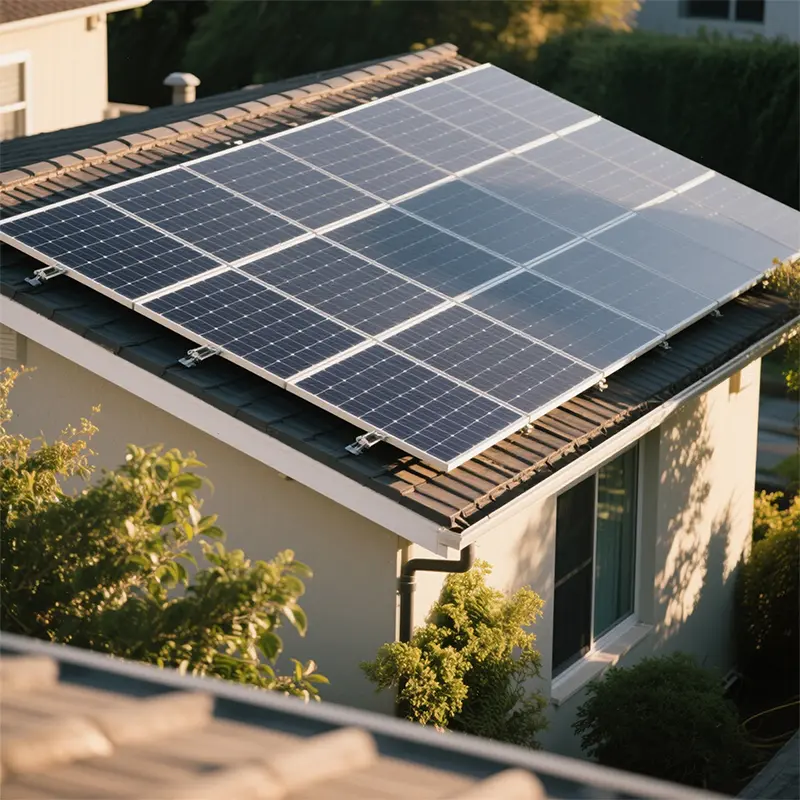
Explore our off-grid solar pure sine wave inverters, ultra-high capacity power walls, and lightweight outdoor power stations.
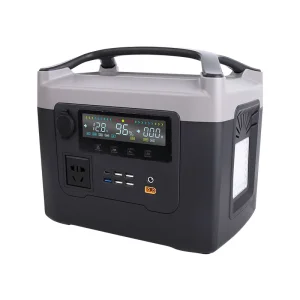
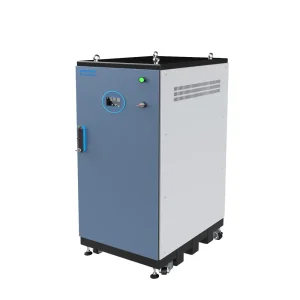
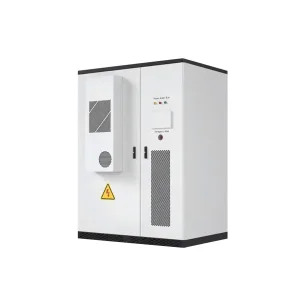
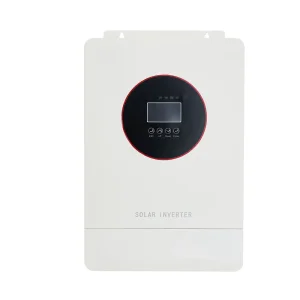
Get professional, technical answers regarding our autonomous solar systems, wholesale logistics, custom manufacturing, and warranty details.
 Turskov