Direct supply from state-of-the-art Chinese manufacturing facilities
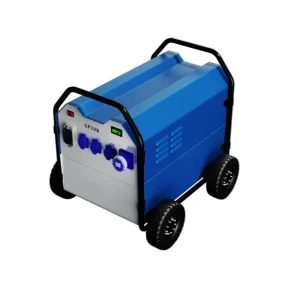
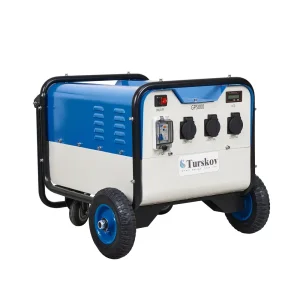
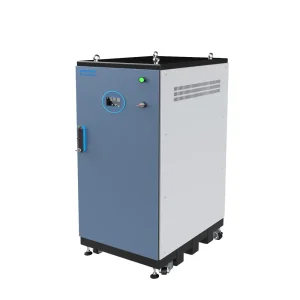
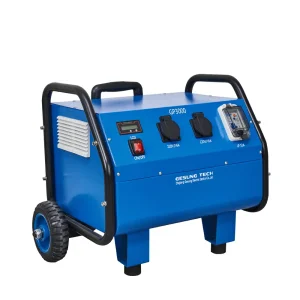
A comprehensive analysis of decentralized battery storage systems, market dynamics, and technological micro-optimizations driving operational efficiency.
As the global community accelerates its transition towards carbon neutrality, the reliance on stable, decentralized power systems has escalated from a niche sustainability initiative to a core commercial imperative. Traditional grid infrastructures face unprecedented challenges from extreme weather events, rising operational costs, and the structural limitations of centralized energy transmission. In this landscape, Solar Off-Grid Power Wall Optimization has emerged as the definitive path toward absolute energy self-reliance for industrial complexes, remote telecom setups, medical centers, and residential developments worldwide.
Optimization in off-grid structures goes far beyond simple battery capacity. It involves a systematic harmonization of high-density battery chemistry, intelligent thermal regulation, maximum power point tracking (MPPT) algorithm integration, and dynamic load balancing. Without these advanced engineering parameters, standard off-grid architectures suffer from rapid battery degradation, low round-trip efficiency (RTE), and significant performance failures during load surges. Our latest developments solve these structural issues, offering B2B distributors and utility developers access to robust energy storage assets designed for the most demanding real-world conditions.
Conversion Efficiency
Patented Tech Assets
Export Countries
Annual Units Capacity
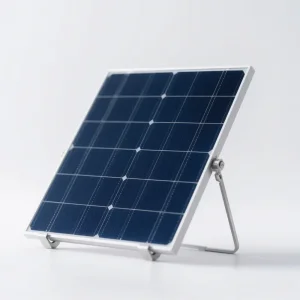
The core configuration of a modern off-grid solar installation integrates four main pillars: solar PV collection, power conversion (inverters), energy accumulation (battery stacks), and power distribution management. During peak sun hours, PV arrays generate Direct Current (DC) electricity. This current flows into a smart MPPT charge controller, which constantly tracks the optimal voltage levels to draw maximum power from the solar panel array, ensuring minimal loss under shading or shifting light patterns.
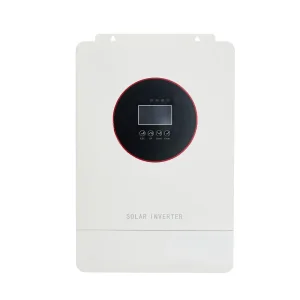
Rather than sending this raw power directly to the load, system optimization pathways route the energy through an advanced battery management system (BMS) into our Lithium Iron Phosphate (LiFePO4) battery cells. When output is required, high-performance pure sine wave inverters convert the stored DC energy into clean, stable Alternating Current (AC) matching the utility-grid frequency. Through our intelligent integration, this configuration achieves continuous backup power, dynamic surge prevention, and comprehensive system protection without relying on municipal grid connections.
Combines power generation, storage, and inversion in a single modular unit, significantly reducing site installation complexity, minimizing cable power losses, and ensuring unified monitoring.
Primarily leverages solar energy to cut dependencies on fossil-fuel backup systems, drastically reducing greenhouse gas emissions and meeting ESG compliance targets.
Engineered for modularity and mobility. Compact footprints and robust handles allow rapid deployment for construction sites, humanitarian camps, and temporary field labs.
Integrated microprocessors track energy trends, choosing whether to store solar power or supply critical loads first. This extends overall battery life and cuts cycle fatigue.
Combines low maintenance requirements with long cycle life (6000+ full cycles). It guarantees low levelized cost of storage (LCOS) and delivers a high return on investment.
Zero-millisecond grid-to-battery transfer speeds shield sensitive servers, precision lab equipment, and life-support units from localized voltage drops and brownouts.
As a global pioneer in clean energy technology, Zhejiang Wenzhou New Energy Technology Co., Ltd. (based in Wenzhou, China's core private economic hub) represents manufacturing excellence. Our facility covers over 15,000 square meters, housing advanced CNAS-certified testing laboratories, specialized EMC testing chambers, and automated smart manufacturing lines. Operating under strict ISO 9001, ISO 14001, and ISO 45001 management systems, we maintain complete control over the entire supply chain, from selecting LiFePO4 raw materials to final electrical safety checks.
Leveraging 36 active patented technologies, our R&D group developed the 5th-generation hybrid inverter system, achieving an industry-leading conversion efficiency of 98.5%. With an annual output capacity of over 50,000 units, we are ready to supply large-scale global developments. We provide bespoke OEM/ODM manufacturing services, helping major international brands integrate local standards and build reliable energy storage systems for C&I applications.
To support global partners, we operate a 24/7 multilingual system integrated with a blockchain-secured component traceability system. This allows customers to track batch numbers and material sheets, helping resolve over 90% of field and compliance queries within 2 hours. We are actively working toward a Net-Zero Factory certification, targeting a global offset of 1 million tons of carbon emissions by 2030.
Modern homes with complex HVAC units and heavy domestic appliances need clean, stable power. In off-grid setups or regions with unreliable utilities, our optimized power walls provide quiet, continuous power. The system links directly with smart home control hubs, optimizing load distribution to run critical appliances during outages and recharge efficiently from PV arrays during the day.
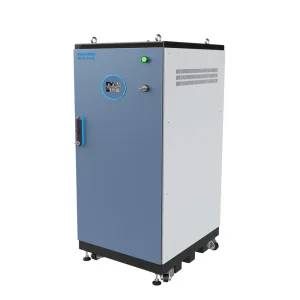
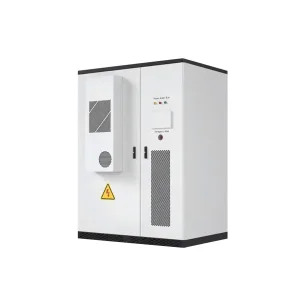
For remote operations like mining, agricultural sorting, and scientific research stations, drawing power lines from distant grids can be expensive. Our high-capacity systems (like the 215kW and 45kwh systems) offer a cost-effective alternative. These units can withstand harsh environmental conditions, providing a steady power source for heavy tools and communication equipment.
Cell towers and remote processing hubs need near-perfect uptime. By combining high-capacity solar walls with smart inverters, networks can run completely off-grid. This avoids the high fuel, transport, and maintenance costs associated with diesel generators.
Specialized systems engineered for emergency, residential, and remote infrastructure
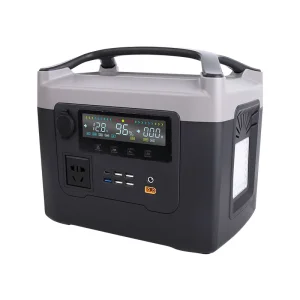
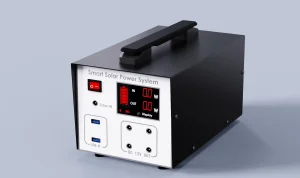
In-depth technical answers for procurement officers, system integrators, and distributors.
 Turskov