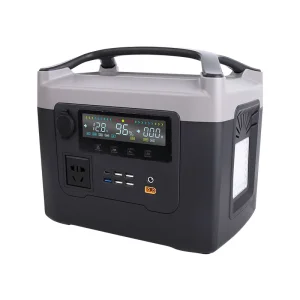
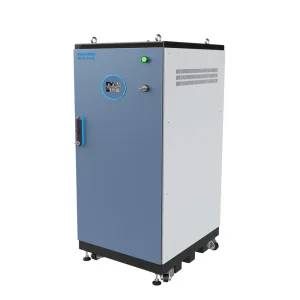
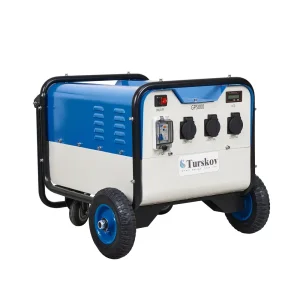
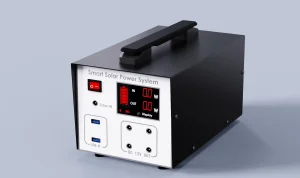
Engineered to bypass local grid failures, our top-performing products combine extreme heat tolerance, durable LiFePO4 cells, and multi-functional power delivery.
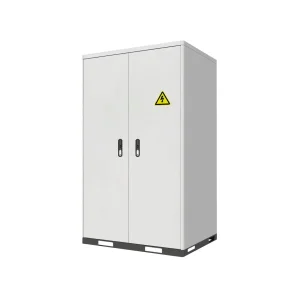
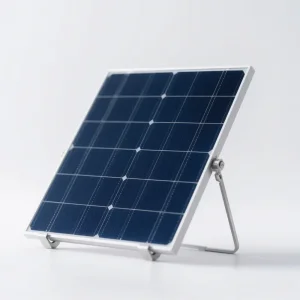
As Africa's most populous nation and a major economic hub, Nigeria faces a complex energy challenge. Grid power availability remains highly volatile, marked by frequent grid failures and subsequent systemic collapses. Industrial and commercial zones in Lagos, Agbara, Ikeja, Abuja, Port Harcourt, and Kano have historically relied on heavy diesel-powered generators (AGO) to sustain baseline operations.
However, recent macroeconomic reforms, including the reduction of petrol and diesel subsidies, have caused operational costs to rise. Operating high-voltage equipment using exclusively fossil fuels is no longer financially sustainable for local factories, hospitals, data centers, and agricultural facilities.
This dynamic has accelerated demand for modern Solar Off-Grid Power Systems and Industrial & Commercial Energy Storage Systems (ESS). By utilizing Lithium Iron Phosphate (LiFePO4) chemistries coupled with high-efficiency hybrid inverters, Nigerian enterprises are transitioning from diesel generators to solar hybrid micro-grids to secure reliable, long-term electricity.
Amortize hardware costs within 18–24 months by replacing diesel generator runtime with automated off-grid solar storage.
Protect sensitive equipment from sudden voltage drops and power surges common in municipal utility distribution lines.
Designed with active liquid or forced-air cooling systems, optimized to prevent thermal runaway in temperatures up to 50°C.
Sqm Production Facility
Max Inverter Conversion Efficiency
Patented Core Technologies
Global Destination Markets
Our manufacturing center in Wenzhou, China operates under strict ISO 9001, ISO 14001, and ISO 45001 frameworks. Every power wall and commercial cabinet undergoes a comprehensive testing regimen before shipment.
For global procurement managers sourcing power systems for West Africa, working directly with a China-based factory offers key advantages in scale, supply chain integration, and cost structure. Wenzhou’s private economy infrastructure enables us to maintain an annual capacity of 50,000 units while sourcing raw components efficiently.
Our vertical integration supports rapid turnaround times for custom requests. Whether you require specific plug configurations for Nigerian domestic standards, localized hybrid solar setups, or heavy industrial storage systems (100kW to 215kW) with customized active cooling architectures, our team of 200+ technical experts can execute complete CAD redesigns and prototype validation within 14 days.
Additionally, our relationships with global retailers like Walmart and Home Depot demonstrate our compliance with demanding production and delivery requirements. We manage all logistics steps, from initial factory acceptance testing to loading port dispatch, ensuring seamless arrival at Nigerian ports like Apapa or Tin Can Island.
How our solar and energy storage systems are deployed to support infrastructure, commerce, and homes across Nigeria.
Securing remote and urban telecom towers (e.g., MTN, Airtel networks) with reliable 30kWh to 45kWh solar power walls, lowering dependency on diesel generators in off-grid regions.
Powering cooling chambers for perishable goods in northern agricultural zones like Kano and Kaduna, utilizing 100kW ESS units to ensure stable internal temperatures during outages.
Deploying compact 5kW smart electric power banks and 600W portable power backpacks inside gated estates in Lekki, Ikeja, and Abuja, facilitating quiet, fume-free residential backup power.
Browse our selection of heavy-duty, smart energy solutions designed for residential, commercial, and emergency backup projects.
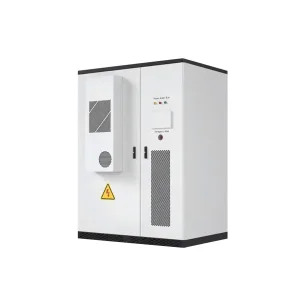
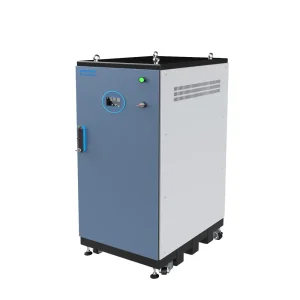
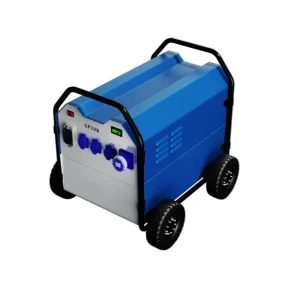
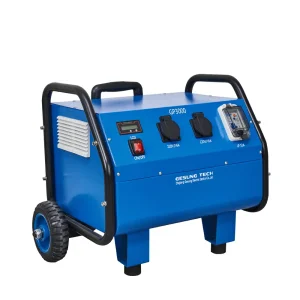
Navigating regulatory pathways is essential for seamless customs clearance and operations in West Africa. Our products are fully compliant with the Standards Organisation of Nigeria Conformity Assessment Programme (SONCAP), ensuring that every import batch satisfies the strict safety and performance criteria required for immediate commercial deployment.
Beyond administrative compliance, environmental conditions in Nigeria demand robust product engineering. High relative humidity in coastal areas like Lagos and Port Harcourt requires corrosion-resistant coatings. Additionally, high average temperatures necessitate advanced cooling strategies.
We address these demands through localized technical features:
1. Internal IP54 Isolation: High-density dust filters prevent dust ingress during harmattan seasons, protecting delicate inverter electronics.
2. Smart Cell Balancing: Battery Management Systems (BMS) dynamically manage individual cell voltage, mitigating performance degradation from extreme ambient heat.
3. Anti-Corrosive Enclosures: Outdoor ESS structural enclosures use marine-grade paint finishes to protect against moisture-driven oxidation.
To support international buyers and project engineers in Nigeria, we offer complete after-sales services:
Technical and procurement answers designed for importers, project developers, and engineers targeting the Nigerian market.
Our industrial and residential battery cabinets utilize LiFePO4 cells with a high thermal threshold of 60°C. Coupled with our intelligent BMS, the system balances voltage and active thermal management to maintain safe internal temperatures. In the event of extreme external heat, our active air-forced cooling activates to stabilize the cells, preventing thermal runaway and ensuring stable operations.
Yes. As a factory exporting to over 28 countries, we work closely with accredited international testing companies (such as SGS and Intertek) to provide the test reports and product certificates necessary for the Standards Organisation of Nigeria Conformity Assessment Programme (SONCAP). We supply the required documents to our buyers to facilitate smooth customs clearance at Lagos and Port Harcourt ports.
Our 5th-generation hybrid inverters achieve 98.5% conversion efficiency and feature dry-contact relay ports specifically designed to coordinate with external diesel generators. When the batteries reach a low State of Charge (SoC) and solar radiation is insufficient, the system automatically starts the backup generator. It powers the load and recharges the batteries, shutting down the generator once the system returns to stable parameters. This reduces diesel consumption and optimizes generator runtime.
Our standard Lithium Iron Phosphate cells are rated for >6,000 complete charge/discharge cycles at 80% Depth of Discharge (DoD) under standard temperatures. In typical Nigerian operating conditions, with temperature-controlled housing, the system retains over 80% of its initial nominal storage capacity after 10–12 years of daily cycle service, offering a long-term alternative to traditional lead-acid or gel batteries.
We provide full customization services, including custom enclosure branding, voltage input/output adaptations to meet local grid requirements, and localized BMS communication configurations. We can design dual-cabinet configurations for larger industrial requirements, integrating fire suppression and liquid cooling directly into the system for enhanced performance.
 Turskov