Engineered for factory microgrids, hyper-scale data centers, and heavy manufacturing utilities across Malaysia.
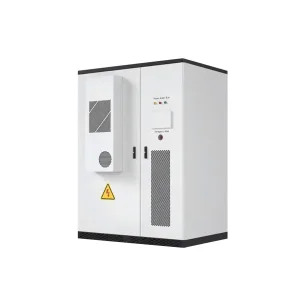
Liquid-cooled LFP design optimizing peak shaving efficiency for mission-critical digital structures.
Learn More
Fully integrated turnkey system featuring smart HVAC, EMS management, and safety protocols.
Learn More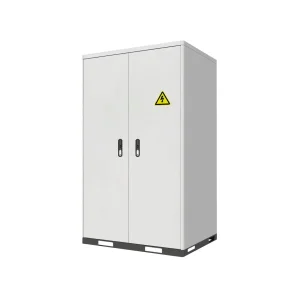
Designed for light manufacturing plants needing power smoothing and localized load-shifting capability.
Learn More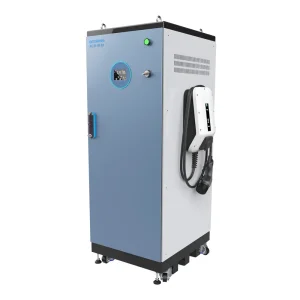
High-density LFP power wall optimized for solar integration in residential and remote commercial facilities.
Learn MoreIn the contemporary industrial and commercial (C&I) sectors, grid volatility, shifting tariff brackets, and green transition metrics have elevated Battery Energy Storage Systems (BESS) from luxury backup assets to core operational infrastructure. With a specific focus on the 215kW capacity segment, this whitepaper evaluates the economic, engineering, and localized regulatory benefits of installing advanced energy storage solutions in the rapidly evolving industrial hubs of Malaysia.
Malaysia is currently undergoing a landmark transition toward renewable energy integration under the National Energy Transition Roadmap (NETR), targeting a 70% share of renewable power in the national mix by 2050. However, this growth in intermittent solar assets presents systemic challenges for grid operators like Tenaga Nasional Berhad (TNB) and Sabah Electricity Sdn Bhd (SESB). For industrial consumers in high-tech corridors such as Penang's Bayan Lepas, Selangor's Shah Alam, and Johor's Senai, electrical quality is paramount.
Voltage dips, transient harmonics, and unscheduled blackouts cost semiconductor plants, automated assemblies, and data centers millions of Ringgit annually. Industrial tariffs—such as Tariff E1, E2, and E3—contain substantial peak demand charges. By implementing a 215kW energy storage system, factories can store energy during low-tariff off-peak hours and discharge during high-demand windows, effectively flattening the load curve and dramatically reducing monthly operational expenditure (OpEx).
Globally, the commercial and industrial sector is transitioning away from massive centralized BESS plants toward modular distributed storage. Systems ranging from 100kW to 250kW are finding immense popularity because they are easily scaled (parallel configuration), highly relocatable, and fit directly within compact containerized or outdoor cabinet structures. These systems typically integrate Lithium Iron Phosphate (LiFePO4) chemistry due to its thermal stability, longer cycle life (often exceeding 6,000 cycles at 80% DOD), and eco-friendly composition containing no cobalt.
Leading enterprises in Europe, North America, and East Asia are combining these modular batteries with advanced EMS (Energy Management Systems) platforms. This dynamic setup allows businesses to participate in Virtual Power Plants (VPPs) and load-frequency control, transforming what was once a cost center (backup generators) into a grid-interactive revenue-generating machine.
Developing high-performance, cost-effective BESS requires a synthesis of robust mechanical design, advanced chemical cell sourcing, and state-of-the-art power electronics. Originating from Wenzhou, China's economic and private sector innovation powerhouse, our manufacturing operations offer a standard of excellence refined over years of industrial leadership. Zhejiang Wenzhou New Energy Technology Co., Ltd. operates a 15,000+ square meter advanced production facility, featuring CNAS-certified safety testing hubs and dedicated electromagnetic compatibility (EMC) testing setups to ensure code compliance for international exports.
By leveraging an integrated supply chain that spans cell-level raw materials up to proprietary 5th-generation hybrid solar inverters with a peak conversion rate of 98.5%, we deliver unparalleled levelized cost of storage (LCOS). This manufacturing process operates under strict ISO 9001, ISO 14001, and ISO 45001 management systems, guaranteeing that every cabinet exported to Malaysia withstands high humidity, high ambient temperatures, and long duty cycles.
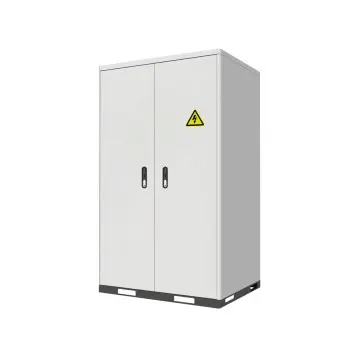
Our commercial-scale systems integrate multiple critical subsystems into a single plug-and-play enclosure:
Maintains optimal battery cell temperatures (under 35°C), preventing thermal runaway and extending cycle life under tropical conditions.
Provides real-time voltage balancing, thermal profiling, and automatic short-circuit shutoffs at the cell, module, and rack levels.
Allows facilities managers to monitor State-of-Charge (SoC), State-of-Health (SoH), and control discharge curves via cloud dashboard APIs.
The applicability of the 215kW C&I energy storage system spans across various specific industry verticals in Malaysia, solving localized pain points with high efficiency:
Unstable electricity grid feeds can ruin delicate silicon wafer runs. The 215kW BESS acts as an active power filter, cleaning up transient frequency shifts and providing microsecond-level UPS bridge transfers during total grid dropouts.
Large office towers and shopping complexes in Klang Valley utilize HVAC systems that experience massive load spikes. Running our 215kW systems lowers peak charges via automatic peak-shaving, dropping overall building utility bills by up to 30%.
Remote extraction mills in Sabah and Sarawak operate far from robust grid transmission lines, running primarily on expensive, polluting diesel generators. Coupling microgrids with solar arrays and BESS units allows these mills to offset diesel consumption significantly.
Enterprise procurement directors tasked with sourcing BESS must look beyond initial capital expenditure (CapEx). A comprehensive buy-side analysis should focus on the following factors:
Explore our complete range of off-grid backup modules, portable generator systems, smart MPPT controllers, and solar panel arrays.
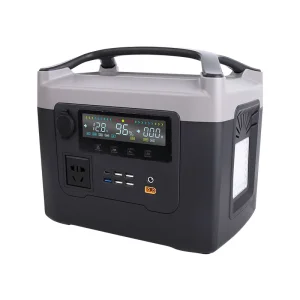
Ultra-compact backup power designed for field worksites, maintenance technicians, and emergency charging.
View Product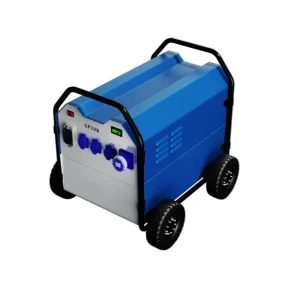
Heavy-duty transportable energy storage generator designed for sudden power outages and utility repairs.
View Product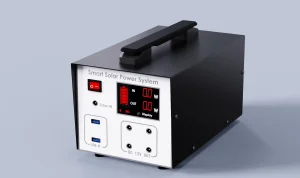
Mini pocket-sized solar-ready charger ideal for mobile engineering crews and recreational application settings.
View Product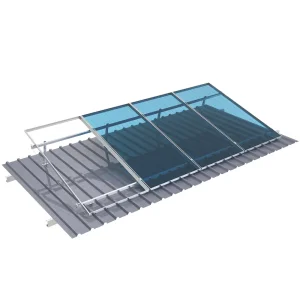
High conversion monocrystalline solar PV panels engineered for heavy industrial roof integrations.
View Product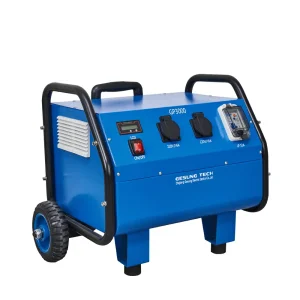
Mid-range ruggedized mobile generator providing clean power outputs for off-grid maintenance teams.
View Product
Premium grade portable solar battery pack optimized for quick charging times and outdoor installations.
View Product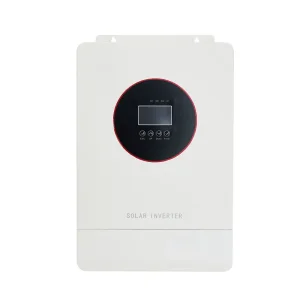
High-performance inverter system maximizing solar capture for localized commercial establishments.
View Product
Customizable OEM backpack power solutions built for retail distribution and high-demand commercial branding.
View Product
Robust backup platform optimized for clinics, server rooms, and critical communication modules.
View Product
Ultra-compact pocket utility battery offering DC outlets and multi-protocol rapid charging capabilities.
View Product
High-throughput wholesale configuration optimized for corporate disaster recovery preparedness plans.
View Product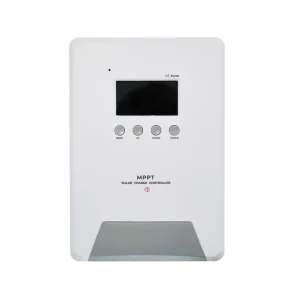
Intelligent MPPT solar charging controllers boasting up to 99% track efficiency for commercial PV systems.
View ProductProviding clear, engineering-backed answers to your commercial energy storage deployment queries in Malaysia.
Under TNB industrial tariffs (such as E1, E2, or E3), companies are billed heavily based on their Maximum Demand (MD) measured in kilowatts (kW) during peak hours. The 215kW system operates via "Peak Shaving"—it automatically discharges power to local factory loads during high-consumption cycles, capping the draw from the utility grid. This lowers peak demand thresholds and mitigates expensive MD penalty charges on your monthly bill.
LiFePO4 (Lithium Iron Phosphate) chemistry is chosen for commercial BESS due to its high thermal runaway threshold (approx. 270°C) compared to standard cobalt-based batteries. Under Malaysia's high-temperature and high-humidity tropical conditions, our systems utilize active forced air cooling or liquid-cooled plates integrated with fire-suppression mechanisms (FM200/Aerosol systems) to guarantee compliance with local Bomba (fire rescue) and Suruhanjaya Tenaga safety regulations.
Yes, our systems are designed with AC-coupled and DC-coupled options. An AC-coupled configuration easily integrates with your existing Net Energy Metering (NEM 3.0) solar setup. The intelligent Energy Management System (EMS) monitors generation curves and routes excess solar energy into the batteries rather than exporting it back to the grid at unfavorable rates, achieving true self-consumption optimization.
In the Malaysian market, businesses taking advantage of the Green Investment Tax Allowance (GITA) and Capital Allowance (CA) tax incentives can expect an ROI (Return on Investment) payback period of 4.5 to 6 years, depending on their tariff bracket. The LCOS over the 10-to-15-year lifetime of our system averages under USD 0.07/kWh, yielding significant financial returns over the life of the asset.
All products undergo intensive factory testing under high-load simulations inside our ISO-certified facilities. From automated laser welding of cells to full-system cabinet testing in our dedicated EMC chambers, every unit is checked before shipment. We provide detailed factory acceptance test (FAT) documentation and offer rapid technical support with remote online diagnostics to ensure system uptime for our international enterprise partners.
Connect with our expert application engineers to custom-design your 215kW energy storage configuration. Get a detailed ROI analysis tailored to your specific utility tariff bracket in Malaysia.
Send Inquiry Now Turskov