Premium liquid-cooled and forced-air containerized options engineered specifically for Italian peak-shaving, agricultural PV storage, and grid-tied operation.
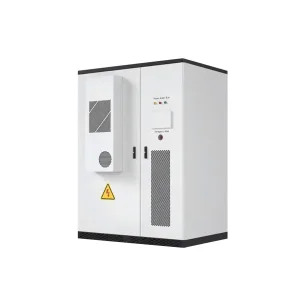
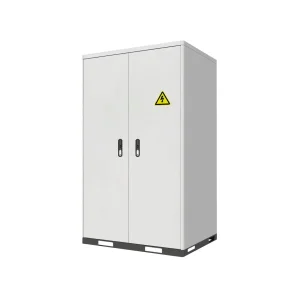
Italy’s commercial and industrial sectors are navigating an unprecedented energy transition. Driven by the ambitious targets set within Italy's Integrated National Energy and Climate Plan (PNIEC)—which aims for renewables to generate over 65% of the nation's electricity by 2030—the demand for stable, modular decentralized energy solutions has spiked. Concurrently, businesses across Italy face volatile power costs, particularly during regional load peaks in manufacturing hubs such as Lombardy, Veneto, and Emilia-Romagna.
The integration of 215kW Commercial and Industrial BESS (Battery Energy Storage Systems) serves as a crucial infrastructure asset. A standard 215kW / 430kWh configuration allows medium-scale manufacturing plants, agricultural processing facilities, and edge data centers to buffer power fluctuations, defer expensive grid upgrades, and execute smart Peak Shaving strategies. This capacity aligns directly with typical Italian medium-voltage distribution transformer margins, avoiding complex administrative connection processes.
Deploying energy storage hardware in Italy requires meticulous alignment with regional regulations. Grid operator Terna enforces rigorous validation paths to prevent system faults and ensure local safety guidelines:
Our 215kW systems utilize premium Grade-A Lithium Iron Phosphate cells, featuring high thermal limits and 6000+ cycle lifespan.
Integrated EMS optimizes charge/discharge cycles in real-time based on Italy's F1/F2/F3 time-of-use tariffs.
Every configuration is engineered within ISO 9001/14001/45001 manufacturing hubs with deep traceability.
Achieving cost-competitiveness in Italy's clean energy sector requires leveraging established global supply chains. Headquartered in Wenzhou—China’s prominent hub of private economy and industrial technology innovation—our parent factory Zhejiang Wenzhou New Energy Technology Co., Ltd. balances specialized engineering capabilities with cost-optimized component sourcing.
Spanning over 15,000 square meters, our facility manages automated assembly lines, CNAS-certified laboratories, and EMC validation centers. Incorporating our 5th-generation hybrid inverter tech achieving a peak efficiency of 98.5%, we support OEM/ODM deployment protocols for Fortune 500 giants like Walmart and Home Depot. Our end-to-end blockchain traceability ensures each batch of 215kW BESS meets rigorous testing specifications from production floor to final installation site in Rome, Milan, or Puglia.
How Italian businesses deploy the 215kW energy storage configuration to maximize operational resiliency and solar auto-consumption.
Slashed demand charges by integrating a 215kW storage module to buffer heavy equipment startup loads, keeping peak consumption under grid-allotted kW thresholds.
Cold-storage facilities store excess mid-day solar energy and release it overnight, ensuring stable operations for perishable items without grid dependence.
Critical microgrid backup system. Combines dual 215kW units to guarantee continuous power and frequency regulation, preventing data corruption during grid sags.
Complete modular ecosystem, including pure sine wave inverters, residential solar power walls, and portable mobile energy generators.
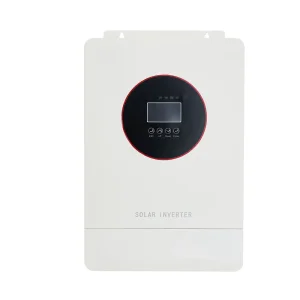
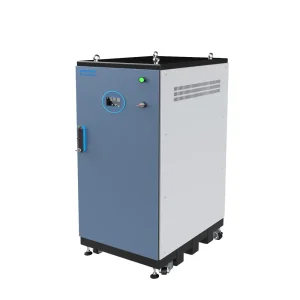
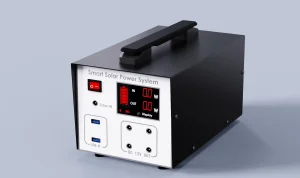
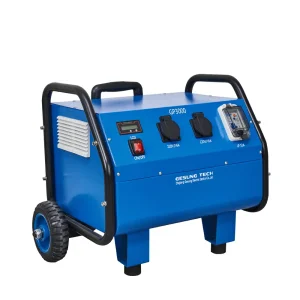
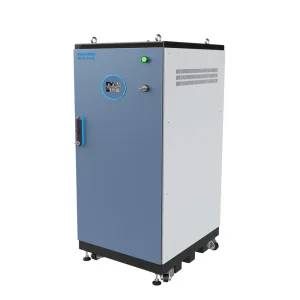
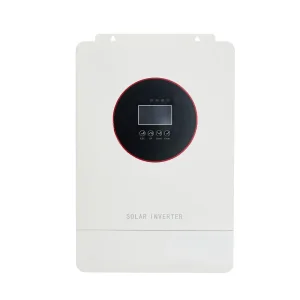
The 215kW Commercial and Industrial BESS system from Zhejiang Wenzhou New Energy Technology Co., Ltd. features a modular container design. Engineered with high energy density LFP cells, the battery management system (BMS) offers cell-level voltage and temperature monitoring. Key features and configurations include:
Italian C&I electricity consumption billing includes dynamic Time-of-Use (ToU) tariffs categorized under bands F1 (Peak), F2 (Mid-peak), and F3 (Off-peak). High daytime electricity rates, along with maximum demand charges (per kW drawn from the grid), can significantly increase operating costs for manufacturing facilities.
By implementing a 215kW BESS system, Italian enterprises can store energy during lower-tariff periods (such as overnight under the F3 rate, or directly from daytime solar arrays) and discharge it during high-rate peak periods (F1). This process reduces reliance on grid supply, minimizes capacity demand charges, and speeds up the return on investment.
Crucial technical, compliance, and supply chain questions answered by our system engineering team.
 Turskov