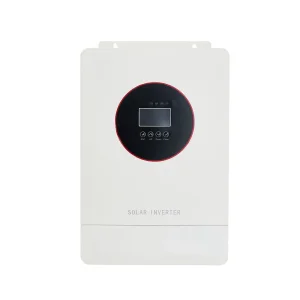
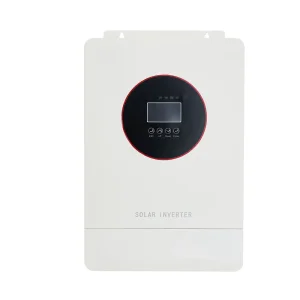
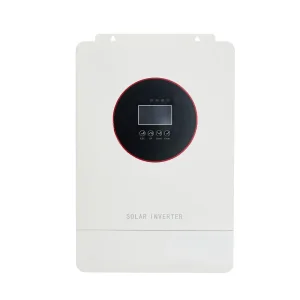
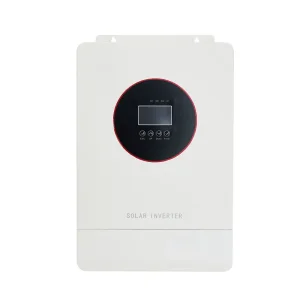
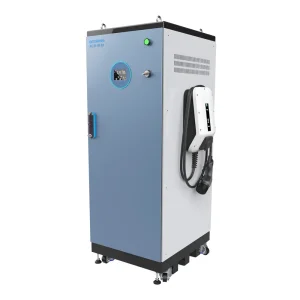
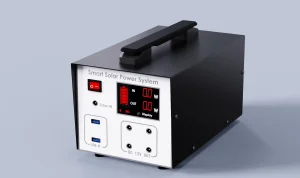
Explore our highly-efficient solar off-grid, multi-in-one smart MPPT inverters, specifically designed to sustain critical loads during utility fluctuations in Thailand.
Thailand is accelerating its journey toward carbon neutrality by 2050 and net-zero greenhouse gas emissions by 2065. Driven by the Thai government’s revised Power Development Plan (PDP), there is an aggressive push to increase renewable energy integration to over 30% of the country's generation capacity. This macro-environmental shift has transformed Thailand into Southeast Asia's most dynamic solar energy market. Central to this transformation is the structural demand for robust solar inverters.
"As solar penetration shifts from utility-scale ground mount plants to decentralized rooftop commercial arrays, the grid-tied and hybrid inverter technologies deployed must achieve unprecedented standard compliance, cooling efficiency, and grid-support capabilities."
Industrial parks across the Eastern Economic Corridor (EEC)—encompassing Chonburi, Rayong, and Chachoengsao provinces—are actively integrating solar PV systems to hedge against fluctuating fuel tariffs (Ft). Industrial operations face strict energy availability challenges. Grid harmonics, brief voltage sags, and transient spikes from conventional grid lines can trigger costly shutdowns on automated assembly lines. High-performance solar inverters coupled with commercial battery energy storage systems (BESS) offer industrial operations the ultimate defense mechanism: load shifting, peak shaving, and active backup protection.
Deploying solar power electronics in Thailand requires strict consideration of local climatological conditions. Inverter factories targeting the Thai market must optimize products for ambient temperatures regularly exceeding 40°C and relative humidity levels climbing above 90%. Under these conditions, typical inverters experience premature component aging and thermal derating. High-grade OEM/ODM inverters incorporate advanced thermal management systems, such as intelligent active-fan cooling and heat-pipe heat sinks, ensuring zero output loss up to 45°C ambient temperatures.
Established in 2020, Zhejiang Wenzhou New Energy Technology Co., Ltd. is a leading manufacturer of comprehensive solar generation and storage ecosystems. Covering a manufacturing footprint of 15,000+ square meters, the company integrates CNAS-certified laboratories, advanced EMC testing facilities, and specialized R&D lines operating under ISO 9001/14001/45001 management systems. Wenzhou’s private economy infrastructure allows for rapid scaling and procurement efficiencies, fueling export capabilities to over 28 countries, including OEM/ODM partnerships for Fortune 500 giants like Walmart and Home Depot. Our 5th-generation hybrid inverter boasts a peak conversion efficiency of 98.5%, delivering dependable performance in grid-critical regions.
A statistical glance at our operational capabilities and deployment milestones.
Our solutions comply fully with major global and local grid validation authorities:
Designing modern inverters requires an dynamic approach to software integration, energy dispatch algorithms, and power semiconductor evolution.
Integrating Silicon Carbide (SiC) and Gallium Nitride (GaN) components to reduce thermal dissipation losses, enabling higher switching frequencies and smaller magnetics footprint.
Equipped with cloud architecture and micro-grid controller interfaces. Inverters act as active nodes for virtual power plant pooling, supporting frequency control and reactive power compensation.
Transitioning from grid-following to grid-forming systems, enabling isolated microgrids to initiate safely using BESS capacity as reference voltage, stabilizing weak rural lines.
Understanding how physical site demands shape engineering requirements across domestic commercial sectors.
Southern Thailand's tourism hubs—such as Koh Samui, Koh Tao, and various resorts in Phuket—frequently struggle with power outages and voltage drops caused by undersea cable limits or overload. Local properties rely heavily on expensive, noisy diesel generators. Our off-grid hybrid inverters coupled with Power Wall Lithium Iron Phosphate (LFP) storage systems create quiet, eco-friendly microgrid solutions. These systems transition between solar generation, battery storage, and generator backup, reducing diesel fuel costs by up to 70%.
Agriculture remains a key driver of the Thai economy, particularly in the central plains and northern valleys. Remote crop cultivation sites often lack access to reliable utility power. Our off-grid MPPT inverters allow farmers to build solar water pumping systems directly adjacent to primary canals. By utilizing multi-in-one smart MPPT tracking, these inverters run high-torque water pumps directly from solar arrays without needing batteries, reducing initial hardware investments.
For large-scale warehouses and manufacturing plants throughout Samut Prakan and Pathum Thani, the peak demand charges levied by the Provincial Electricity Authority (PEA) significantly increase operational costs. Deploying our 100kW grid-scale energy storage systems enables facility managers to implement peak-shaving protocols. The inverters charge the batteries during low-tariff off-peak hours and discharge during high-demand intervals, lowering utility peak tariff rates.
Detailed technical advice addressing local compliance, engineering practices, and system configuration issues.
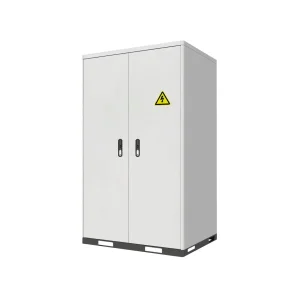
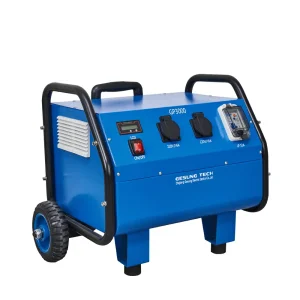
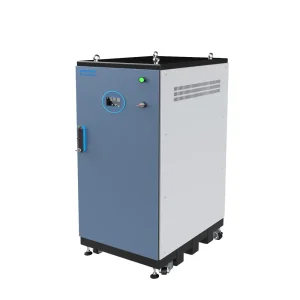
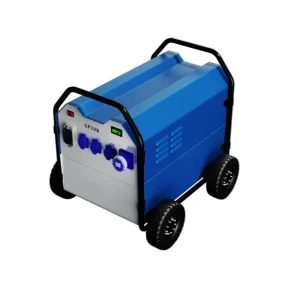
Browse our integrated energy solutions, from home backup batteries to high-capacity mobile energy storage vehicles, optimized for both grid stability and off-grid operation.
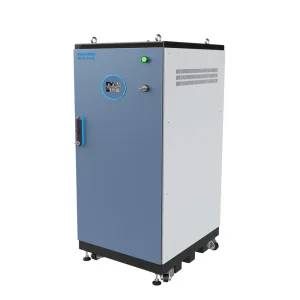
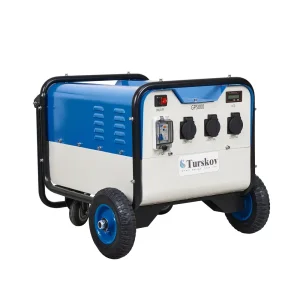
Whether you are looking to design localized hybrid systems for island resorts, implement peak shaving solutions in the EEC, or source certified OEM/ODM inverters for commercial projects, our technical team is ready to assist.
 Turskov