Engineered for high conversion efficiency, extreme sub-zero weather endurance, and seamless integration with localized grid infrastructures.
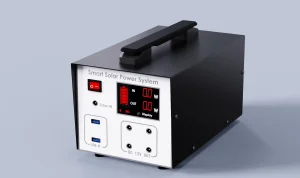
An in-depth whitepaper on grid modernization, regulatory compliance (OVE), and technical requirements in central Europe.
Austria is currently undergoing one of the most aggressive renewable energy transformations in the European Union. Supported by the Renewable Energy Expansion Act (EAG - Erneuerbaren-Ausbau-Gesetz), Austria aims to achieve 100% renewable electricity supply (national balance) by 2030 and complete carbon neutrality by 2040. However, this massive expansion of volatile wind and solar energy introduces severe challenges to the Austrian transmission system operators (TSOs) and local distribution networks.
Due to Austria's unique mountainous topography, regions like Tyrol, Vorarlberg, and Carinthia experience localized grid congestion and phase imbalances. Industrial consumers and commercial operators are increasingly relying on localized battery energy storage systems (BESS) and high-efficiency hybrid off-grid systems. These systems serve as dynamic buffers, utilizing peak-shaving mechanisms to avoid heavy grid-use tariffs and grid connection limitations.
Industrial-grade and portable energy products require rigorous specialization to suit Austria's climate, topography, and architecture:
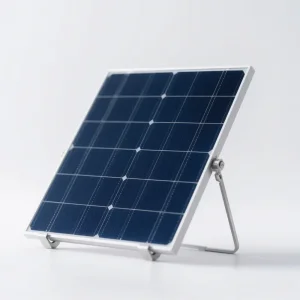
Remote alpine huts operate fully off-grid, requiring hybrid microgrids comprising solar PV array inputs, wind generation, MPPT controllers, and stable LiFePO4 batteries engineered to withstand freezing winter conditions down to -25°C.
Farms in Styria and Upper Austria utilize high-capacity off-grid power walls (30kWh to 60kWh) paired with three-phase pure sine wave inverters to power dairy processing machinery and automated feeding mechanisms independent of utility providers.
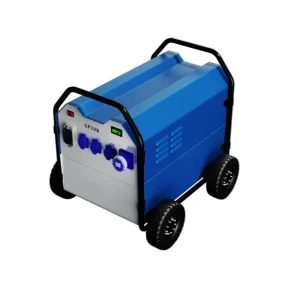
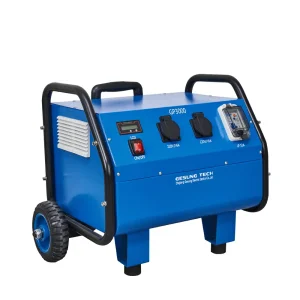
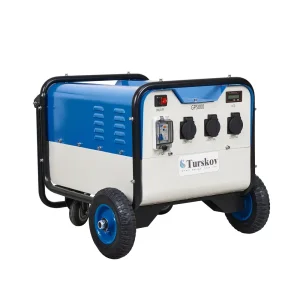
During heavy snowfall or storm events in forest corridors, mobile emergency storage units (10kW and above) provide municipal response crews with portable, zero-emission high-load output capabilities to operate power saws, heating units, and medical stations.
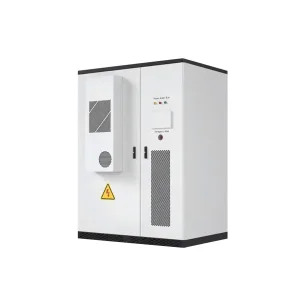
SMEs integrate 215kW commercial BESS with localized smart EV fleet chargers. This configuration buffers peak grid withdrawals during DC fast-charging cycles, preventing penalty rates from utility providers.
The global technological paradigm has shifted from basic electrochemical containment to intelligent, software-defined energy ecosystems. At the core of this transition is the integration of advanced Silicon Carbide (SiC) semiconductors in solar inverters to reduce switching losses and maximize power density. Our fifth-generation hybrid inverters have achieved an industry-leading 98.5% conversion efficiency, ensuring minimal thermal dissipation during high-ambient and low-temperature operational periods.
Additionally, the utilization of Lithium Iron Phosphate (LiFePO4) chemistry remains the absolute standard for commercial and residential installations due to its exceptional thermal stability and long life expectancy (exceeding 6,000 cycles at 80% DOD). The integration of cloud-based Battery Management Systems (BMS) with machine learning capabilities allows for real-time state-of-health (SOH) prognostics and localized thermal monitoring, which prevents thermal runaway events and ensures absolute safety inside residential and commercial structures.
Zhejiang Wenzhou New Energy Technology Co., Ltd. leverages the extensive industrial advantages of Wenzhou, China's premiere private economy hub. Our manufacturing facility spans over 15,000 square meters, integrating cutting-edge manufacturing execution systems (MES) and automated surface mount technology (SMT) assembly lines. We operate state-of-the-art CNAS-certified laboratories and specialized EMC (Electromagnetic Compatibility) testing centers. These setups allow us to perform rigorous testing for voltage surge resilience, thermal endurance, and mechanical vibration stress before final dispatch.
By establishing key supplier alliances directly inside the electronic manufacturing cluster of Zhejiang, we circumvent traditional supply bottlenecks. This enables us to maintain an uninterrupted flow of structural chassis, high-purity copper windings, and microprocessors. Our raw material procurement is backed by a blockchain-enabled traceability system, allowing European clients to trace compliance footprints down to individual cell batches. This transparent approach guarantees quality control under strict ISO 9001, ISO 14001, and ISO 45001 management standards.
Austrian grid integration rules are among the most stringent in Europe. Grid operators require strict adherence to the TOR D4 guidelines for decentralized generation plants. Systems must also meet the technical parameters outlined in OVE Directive R 25. Solar inverters and battery systems must include active grid protection mechanisms, frequency control functionalities (such as active power reduction during overfrequency states), and robust anti-islanding safeguards.
Our design architectures integrate fast-acting galvanic isolation barriers and dual-CPU system control redundancies to comply with these rules. This compliance prevents grid faults from damaging downstream home or factory machinery. To satisfy local ecological regulations, all components are fully compliant with RoHS and WEEE directives, facilitating simple recycling protocols and ecological footprint tracking.
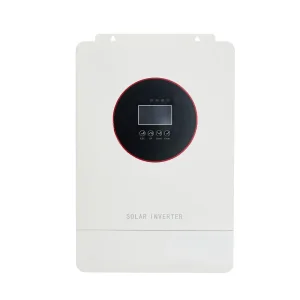
Explore our deep catalog of professional solar controllers, off-grid MPPT inverters, and high-capacity battery systems suitable for Austrian agricultural, domestic, and light industrial deployment.
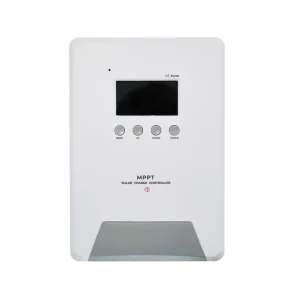
Detailed technical advice on hardware compliance, installation standards, and operating limits in cold climates.
 Turskov