 Turskov
1 / 1
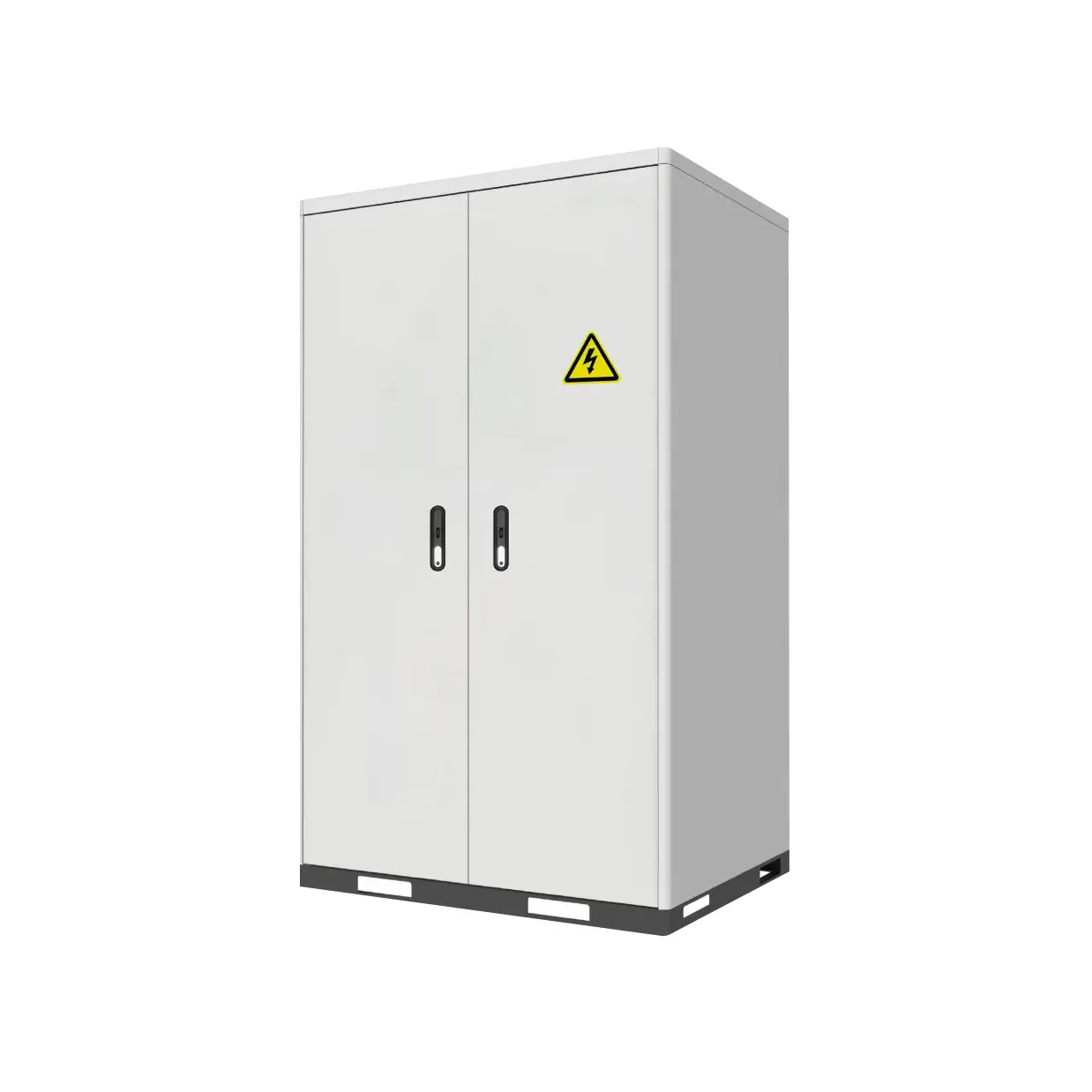
At its core, the system capitalizes on the economic advantages of time-of-use pricing. By storing electricity during periods of low demand—typically at night when renewable energy generation often exceeds consumption and grid prices plummet—it creates a cost-effective energy reserve.
During peak hours, when electricity prices surge due to high demand and potential supply constraints, the stored energy is discharged to meet operational needs. This practice reduces direct energy expenditures and mitigates demand charges.
Its compatibility with renewable energy sources enables better utilization of solar and wind power, reducing reliance on fossil fuels, lowering carbon emissions, and helping businesses achieve environmental goals.
For medium-sized manufacturers or commercial complexes, this smart energy management strategy can translate to annual savings of 15-20% on total energy bills, redirecting capital towards core business investments.
The system charges during off-peak hours (usually at night when rates are low) and discharges the stored electricity during peak hours when grid prices are highest, avoiding expensive peak charges.
Medium-sized manufacturers and commercial complexes can expect annual savings of approximately 15-20% on their total energy expenditures by optimizing peak demand and energy usage.
Yes, the system is fully compatible with renewable energy sources. It allows businesses to store excess solar or wind power generated during the day and use it when needed, further reducing carbon emissions.
Demand charges are fees based on peak load consumption. By discharging stored energy during these peak periods, the system lowers the maximum load drawn from the grid, successfully mitigating punitive demand charges.
Yes, the system features an intelligent, modular design that simplifies installation, allows for easy future scalability as your business grows, and supports real-time optimization.
The modular and intelligent design ensures easy installation, seamless future scalability, and real-time optimization capabilities, which collectively boost the overall energy management efficiency for businesses.