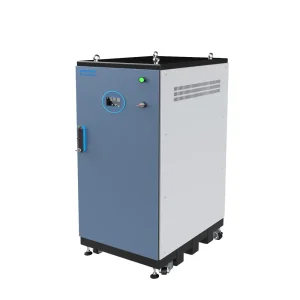
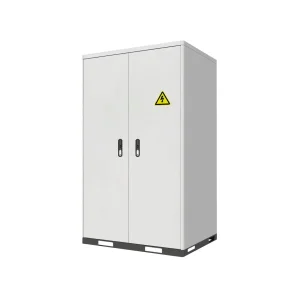
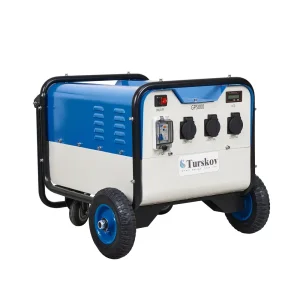
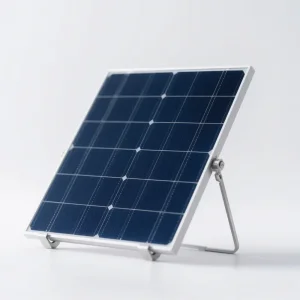
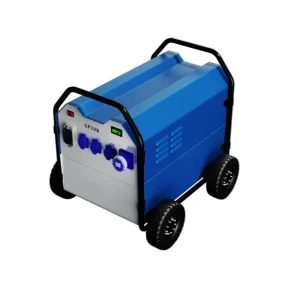
The transition from highly centralized fossil-fuel grids to decentralized, zero-emission microgrids is no longer a futuristic goal—it is a current operational necessity. At the center of this movement is the Solar-Powered Storage Generator, a modular, integrated energy device designed to fulfill complex load demands. This platform integrates photovoltaic input, deep-cycle electrochemical storage, and sophisticated power conversion topologies.
Our manufacturing operational center, Zhejiang Wenzhou New Energy Technology Co., Ltd., located within Wenzhou's industrial tech corridor, has specialized in custom engineering BESS (Battery Energy Storage Systems) and hybrid mobile power platforms since 2020. Our modern facility exceeds 15,000 square meters, housing CNAS-certified diagnostic centers and advanced electromagnetic compatibility (EMC) testing setups. These facilities ensure that all configurations, from lightweight 600W systems to heavy industrial 100kW containers, comply with international distribution and grid interconnection codes.
A reliable solar-powered storage generator relies on the integration of its power conversion system (PCS) and energy storage management layers. The system processes fluctuating DC inputs from photovoltaic arrays, routes this energy through maximum power point tracking (MPPT) regulators, and charges the integrated battery chemistry. It then converts this stored energy back to grid-grade AC electricity.
Our 5th-generation hybrid PCS design achieves a peak conversion efficiency of 98.5%. By utilizing Silicon Carbide (SiC) MOSFET switches, the system reduces switching losses and maintains a stable thermal profile even under continuous overload conditions.
We prioritize structural safety by utilizing Lithium Iron Phosphate (LiFePO4) cell architectures. These chemistry setups provide thermal stability, resist runaway processes up to 60°C, and offer a long lifecycle exceeding 6,000 charge cycles at 80% Depth of Discharge (DoD).
Every system integrates cloud connectivity, allowing telemetry output, remote state-of-health monitoring, and automatic cell balancing. The software optimizes cycles based on grid pricing fluctuations and weather forecasts.
Our manufacturing operations in Wenzhou benefit from China's comprehensive supply chain integration. The regional industrial infrastructure enables fast procurement of high-grade copper busbars, precision injection-molded outdoor chassis, and advanced semiconductor components. By integrating vertical production flows, we manage assembly from surface-mount technology (SMT) board fabrication to the final mechanical load testing of heavy cabinets.
To ensure quality control and operational transparency, we run a blockchain-enabled parts-traceability network. Each high-capacity cell pack receives a unique digital identifier that logs dynamic cycle data, internal resistance benchmarks, and quality parameters from the assembly phase to final deployment. This structural transparency allows for quick diagnostics: over 90% of field operations are addressed within two hours through remote interface updates.
Modern solar-powered storage systems are utilized across various industrial sectors worldwide. Energy generation, once static, is now dynamically deployed to mitigate utility grid instability, manage peak load penalties, and secure continuous power paths for critical systems.
The solar off-grid system provides a stable energy option for home backup power, protecting residential networks during grid interruptions. These platforms capture sunlight during daylight hours using solar arrays, convert the energy, and store it in integrated lithium iron phosphate battery packs. The system delivers constant power to connected household loads during grid failures or peak pricing periods.
Primary Advantages:
Target Applications:
Integrating distributed energy resources requires strict adherence to international regulatory systems. To facilitate deployment across global markets, our systems are certified under major regulatory frameworks:
We also configure regional settings directly at the factory level, setting grid frequency parameters (50Hz/60Hz), split-phase voltage configurations (110V/220V/440V), and local grounding systems prior to shipping.
As energy densities improve and control systems evolve, we continue to update our technological capabilities. Our R&D efforts focus on introducing solid-state battery integrations by 2027 to increase energy density while maintaining high safety standards. We are also expanding our Virtual Power Plant (VPP) software integrations, enabling multiple storage generators to coordinate and participate in spot energy markets.
Our production facilities are working toward achieving a Net-Zero Manufacturing Certification. Through onsite solar generation, thermal energy recovery, and sustainable supply chain sourcing, we aim to reduce global operational carbon emissions by 1 million tons by 2030.
 Turskov