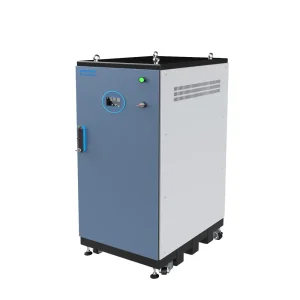
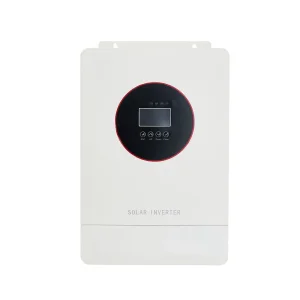
Engineered to deliver high cycle stability, rapid discharge profiles, and smart battery management for domestic, commercial, and extreme mobile operating environments.
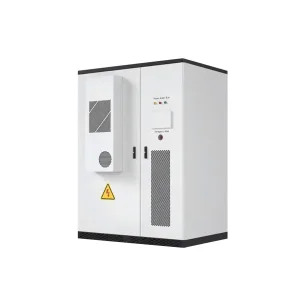
The global transition from centralized thermal generation to localized, decentralized renewable grids has turned energy storage from a grid accessory into a foundational asset. Contemporary Battery Energy Storage Systems (BESS) are transforming how industrial complexes, manufacturing centers, and high-performance server structures deal with utility costs and power quality. The modern grid is shifting towards virtual power plants (VPPs) and dynamic grid services, demanding that behind-the-meter (BTM) storage units act as both emergency backup networks and grid stabilizers.
Regulatory frameworks such as the European Union’s Net-Zero Industry Act and dynamic tariff structures in North America are pushing businesses to adopt high-performance storage. Additionally, corporate environmental mandates (Scope 1, 2, and 3 emissions targets) require onsite solar generation to be paired with intelligent storage capacities. By storing excess solar power produced during peak radiation hours, organizations can effectively avoid high utility rates and establish true zero-emission operations.
“Modern energy systems must balance three key priorities: sustainability, resilience, and economic value. Advanced battery technologies make it possible to achieve all three at the same time.”
Enterprise procurement teams at major global retailers and logistics companies require strict technical compliance when sourcing high-power energy storage systems. Bidding specs now go far beyond simple cost-per-kilowatt-hour metrics, focusing on full system life-cycle values, comprehensive safety standards, and strict supply chain transparency. Systems must comply with internationally recognized certifications like UL 1973 (for battery packs in stationary applications), UL 9540A (for evaluating thermal runaway fire propagation), and CE/IEC 62619 guidelines.
At the corporate level, Zhejiang Wenzhou New Energy Technology Co., Ltd. (the suggested full name) addresses these requirements by operating under comprehensive, audited quality systems. We maintain a modern 15,000+ square meter factory run in compliance with ISO 9001, ISO 14001, and ISO 45001 standards. Our facility includes CNAS-certified testing laboratories and dedicated EMC testing systems, giving engineers full control over quality and compliance from initial cell classification to final cabinet integration.
Furthermore, to assist international buyers with ESG audits, our factory uses a blockchain-backed material traceability system. This allows customers to verify the supply path of key components like LFP cells, proving our commitment to responsible sourcing and high manufacturing standards.
Leveraging automated production technologies and strategic component ecosystems, Wenzhou New Energy Technology offers unmatched custom manufacturing services for global commercial and industrial buyers.
Our experienced team of over 200 technical specialists works closely with customers to design customized container configurations, choose custom voltage inputs, and build bespoke communication systems that interface with existing energy software.
With an annual capacity of 50,000 units, our modern assembly lines utilize automated cell sorting, high-precision laser welding, and automated computerized cycle testing to deliver consistent quality across large production runs.
By leveraging the strong component supply chain in Wenzhou, China, we source key raw materials quickly and efficiently. This allows us to reduce typical lead times while offering competitive pricing for high-performance projects.
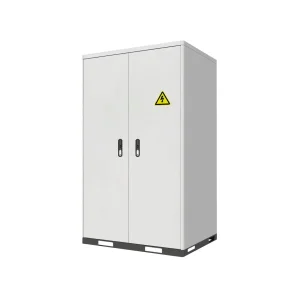
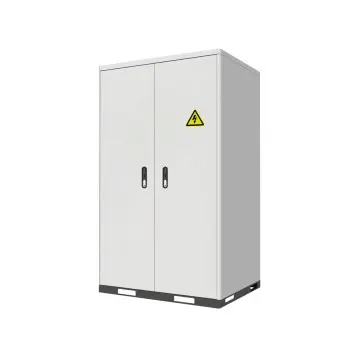
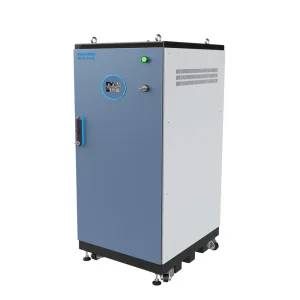
Reliable energy storage systems are critical across a wide range of C&I scenarios. For example, modern data centers require uninterruptible power systems that can instantly step in during grid disturbances. High-power storage units like our ODM 215kW Industrial System provide high-discharge backup capabilities, helping facility managers keep servers online, protect integrity, and reduce the runtime of emergency backup diesel generators.
In manufacturing and heavy industry, energy systems are frequently used to lower utility costs through peak shaving. By drawing power from batteries during high-demand peak hours, factories can reduce demand charges and utility costs. Additionally, remote communities, agricultural sites, and mining areas rely on off-grid microgrid setups to generate and store clean electricity, eliminating the high costs and logistical challenges of transporting diesel fuel to remote areas.
Integrated energy storage systems provide the foundation for grid independence, helping businesses operate reliably during power outages while reducing operational costs.
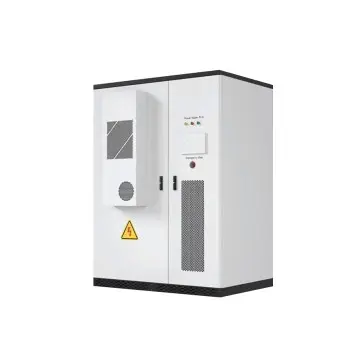
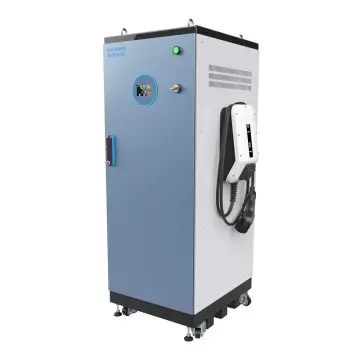
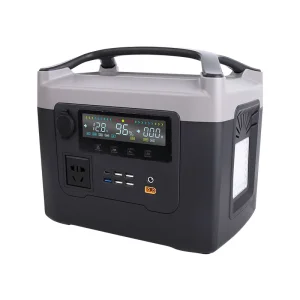
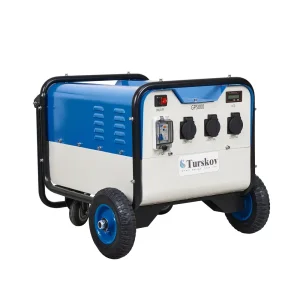
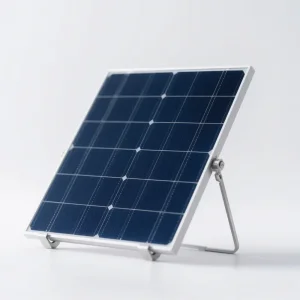
The solar-powered portable charging station with integrated inverter combines power generation storage and inversion functions into one system. It collects energy through solar panels converts it into electricity and stores it in built-in batteries. The inverter then converts direct current into alternating current to charge electric vehicles or other devices. Additionally its intelligent control system adjusts charging power based on battery status and real-time demand to enhance efficiency.
These integrated systems offer several key advantages for residential and light commercial users:
In summary, the solar-powered portable charging station with integrated inverter is easy to use and feature-rich making it an efficient and eco-friendly charging solution. It provides reliable energy support for electric vehicles and proves useful in outdoor and power outage situations bringing new opportunities to renewable energy applications.
Expert answers regarding our ODM customized manufacturing, cell chemistry, warranty parameters, and safety integrations.
Explore our full range of solar off-grid power walls, portable energy packs, and containerized industrial systems manufactured under strict international quality guidelines.
 Turskov