Overview of Zhejiang Wenzhou New Energy Technology Co., Ltd.
Headquartered in Wenzhou, China's dynamic hub of private economy, Zhejiang Wenzhou New Energy Technology Co., Ltd. (our suggested full name) has been a pioneer in renewable energy solutions since its establishment in 2020. Our facility spans over 15,000 square meters and houses state-of-the-art CNAS-certified laboratories, EMC testing centers, and specialized R&D zones operating under strict ISO 9001/14001/45001 management systems. This ensures rigorous end-to-end quality control from raw materials to finished products.
As a global leader in solar power generation systems and portable energy solutions, we specialize in the R&D and manufacturing of mobile generators, solar inverters, and hybrid energy storage products. Driven by technological innovation, we hold 36 patented technologies, including our 5th-gen hybrid inverter which achieves an outstanding 98.5% conversion efficiency. Today, we export to over 28 countries and provide premier OEM/ODM services for Fortune 500 clients like Walmart and Home Depot. Our team of 200+ technical experts and a production capacity of 50,000 units annually enable rapid customization for diverse energy needs.
"We implement a 7x24 multilingual customer support system backed by a blockchain-enabled traceability framework that resolves 90% of issues within 2 hours. Committed to sustainability, we are actively pursuing Net-Zero Factory certification with a roadmap to reduce global carbon emissions by 1 million tons by 2030. Through intelligent IoT-enabled energy ecosystems and cross-border partnerships, we empower businesses worldwide to transition toward greener operations seamlessly."
Understanding Off-Grid Power Storage Technology
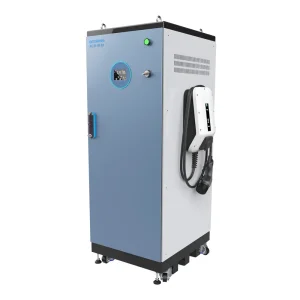
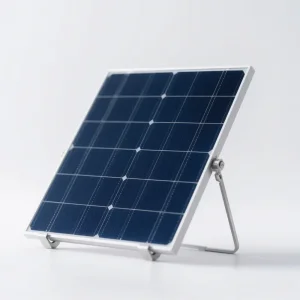
The solar-powered portable charging station with integrated inverter combines power generation, storage, and inversion functions into a single cohesive system. It collects energy through solar panels, converts it into electricity, and stores it in built-in batteries. The inverter then converts direct current (DC) into alternating current (AC) to charge electric vehicles, household appliances, or other critical devices. Additionally, its intelligent control system adjusts charging power based on battery status and real-time demand to maximize efficiency.
As modern life becomes increasingly dependent on electricity, grid failures or power outages can cause significant disruption. Solar off-grid systems offer a reliable solution for residential and commercial backup energy. Using high-efficiency solar panels to capture sunlight during the day, the energy is stored in advanced lithium iron phosphate (LiFePO4) batteries. Even during prolonged power grid failures, this architecture delivers a steady, clean energy supply to essential household and commercial devices.
98.5%
Inverter Conversion Efficiency
15,000+
Production Area (sqm)
36
Patented Technologies
50,000
Annual Unit Capacity
Key Advantages & Tech Breakthroughs
1. Functional Integration
Combines power generation, storage, and inversion in one unit. This modular configuration reduces system complexity, mitigates transmission losses, and guarantees stable operations under variable loads.
2. Environmental Friendly
Harnesses clean solar energy to drastically reduce reliance on the electrical grid and cut carbon emissions, aligning seamlessly with international Scope 1 & 2 carbon mitigation goals.
3. Portable & Ergonomic
Engineered for transportability and rapid physical deployment. Its compact structure makes it highly suited for residential backup, mobile outdoor usage, and fast-response disaster recovery scenarios.
4. Intelligent Charging
Integrates advanced smart algorithms to adjust current flow based on real-time load requirements and state-of-charge (SoC) profiles, extending battery longevity by preventing overcharging.
5. Cost-Effective Integration
Saves operational costs via a one-time capital investment in localized power generation, offsetting high retail electricity rates and peak demand charges for off-grid operations.
6. Emergency Backup Power
Provides critical backup support during complete municipal grid outages, keeping essential appliances (like refrigeration, medical devices, and communication networks) operational.
The Competitive Advantages of Manufacturing in China
The global energy storage market requires high production capacity, deep supply chain integration, and rapid technological deployment. Manufacturing off-grid power storage generators in China—particularly within the Wenzhou industrial cluster—provides significant strategic advantages:
Unmatched Supply Chain Ecosystem: Our 15,000+ sqm facility operates close to major raw material providers and component ecosystems, reducing freight costs, simplifying bill-of-materials (BOM) management, and accelerating time-to-market.
Advanced Testing & Quality Assurance: Zhejiang Wenzhou New Energy Technology Co., Ltd. runs CNAS-certified laboratories and specialized EMC testing centers. This ensures every product meets international electromagnetic compatibility and safety standards before export.
Scalability and Technical Expertise: With over 200 dedicated technical experts and a production capacity of 50,000 units annually, we support massive scalability for OEM/ODM orders without compromising on component quality or engineering precision.
Industry Trends and the Future of Energy Autonomy
The transition from centralized fossil-fuel power grids to decentralized renewable microgrids is accelerating. Modern off-grid installations are shifting toward hybrid, software-defined systems. Key industry trends include:
IoT-Enabled Battery Management: Real-time remote diagnostics allow operators to monitor state-of-health (SoH), temperature, and discharge cycles over secure internet connections, maximizing system utility.
High-Efficiency Battery Chemistries: Solid-state and lithium iron phosphate (LiFePO4) chemistries are becoming the industry standard due to their thermal stability, environmental safety, and extended cycle life.
Grid-Scale Hybrid Inverters: The integration of advanced MPPT solar charge controllers with bi-directional hybrid inverters enables seamless transitions between off-grid autonomy and net-metered grid connectivity.
Meeting Global Enterprise Procurement Requirements
B2B buyers, global retailers, and large-scale EPC contractors require suppliers to meet strict quality and transparency criteria. Zhejiang Wenzhou New Energy Technology Co., Ltd. addresses these demands through:
Fortune 500 Compliance: We have established manufacturing protocols and social responsibility standards that align with the requirements of major international retailers like Walmart and Home Depot.
Blockchain-Enabled Traceability: By integrating blockchain ledgers into our supply chain, we track raw materials and critical battery components through every stage of production, ensuring full compliance with international ESG frameworks.
Global Certification Support: Our product catalog holds a comprehensive suite of international certifications, including CE, UN38.3, UL, and IEC standards, facilitating smooth customs clearance and regulatory approval.
Technical FAQ & Deep-Dive Information
Q1: What are the main benefits of integrating an MPPT controller into an off-grid energy storage generator?
An MPPT (Maximum Power Point Tracking) controller continuously monitors the voltage and current output of your solar panels. It adjusts the electrical operating point to deliver maximum available power to the battery. Compared to standard PWM controllers, MPPT systems increase charging efficiency by up to 30%, especially in cloudy or variable weather conditions.
Q2: How does a hybrid inverter differ from a standard off-grid inverter in commercial applications?
A standard off-grid inverter converts DC battery power to AC grid power but cannot interact with the municipal grid. A hybrid inverter manages power from solar panels, batteries, the grid, and auxiliary generators simultaneously. This allows it to feed excess energy back to the grid (if permitted), run off-grid during outages, and optimize utility costs by charging from the grid during off-peak hours.
Q3: Why is Lithium Iron Phosphate (LiFePO4) preferred over other chemistries for off-grid generators?
LiFePO4 (LFP) chemistry offers several key advantages for stationary and mobile power applications:
Thermal Stability: LFP has a high thermal runaway threshold, making it inherently safer than cobalt-based lithium chemistries.
Extended Cycle Life: It supports over 4,000 to 6,000 charge cycles at 80% depth of discharge (DoD), ensuring a longer operational lifespan.
Environmental Safety: Free from toxic heavy metals like nickel and cobalt, it is easier to recycle and aligns with green energy initiatives.
Q4: How do the EMC testing centers at the Wenzhou factory protect sensitive electronics?
Our EMC (Electromagnetic Compatibility) testing centers evaluate our off-grid generators for electromagnetic interference (EMI). We design internal shielding and filter circuits so our systems do not disrupt nearby telecommunications, data center servers, or medical equipment, while remaining resilient to external electromagnetic noise.
Q5: What options are available for customizing OEM/ODM power solutions?
We offer full custom engineering, including variable output voltages (110V/220V/380V), custom battery capacities (from 3kWh to grid-scale 215kWh configurations), bespoke chassis and cabinet designs, branded software interfaces, and specialized input channels for solar panels, wind turbines, and backup diesel generators.
Q6: What is a blockchain-enabled traceability system in battery manufacturing?
Our blockchain traceability system assigns a unique, immutable digital ID to each battery module at the raw material stage. This registers mineral sources, quality control data, assembly steps, and testing histories to a secure ledger, giving procurement teams transparent and auditable verification of the product's environmental and ethical standards.
Additional Off-Grid Storage Solutions
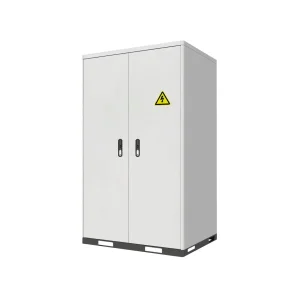
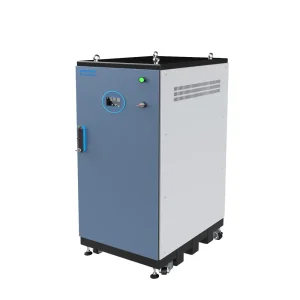
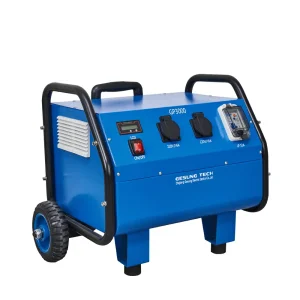
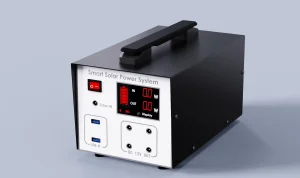
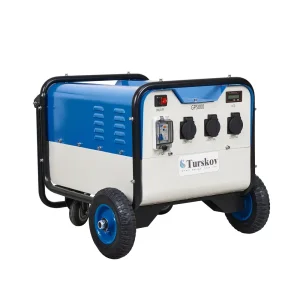
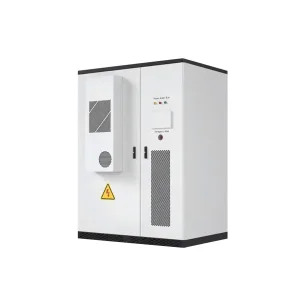
Explore our portable, commercial-grade, and residential off-grid storage units engineered to meet global industrial standards.
 Turskov