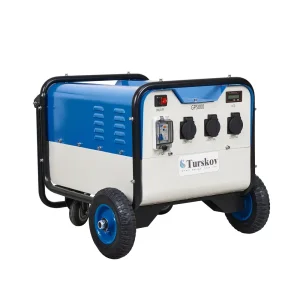
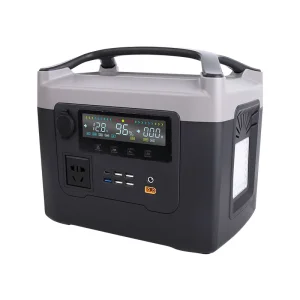
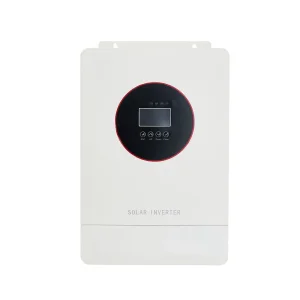
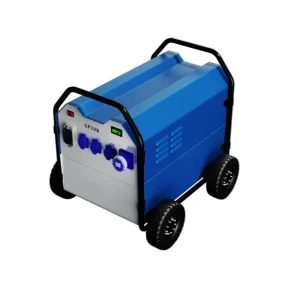
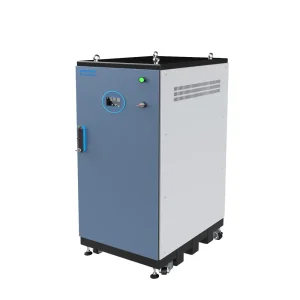
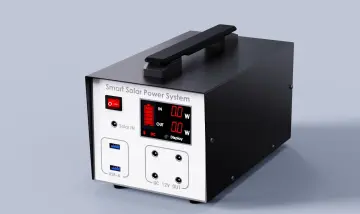
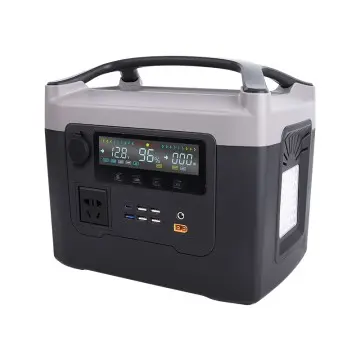
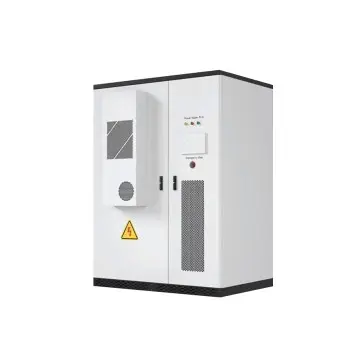
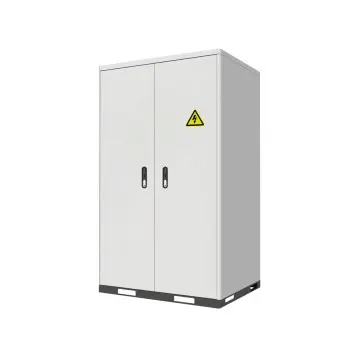
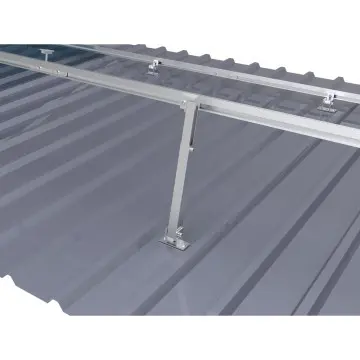
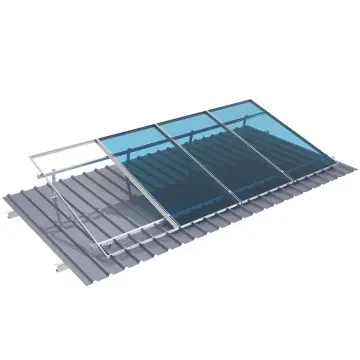
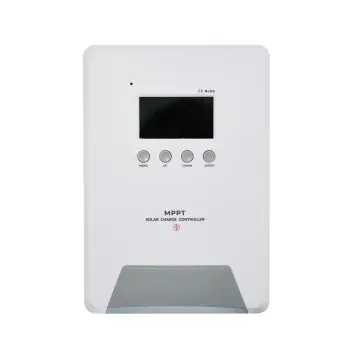
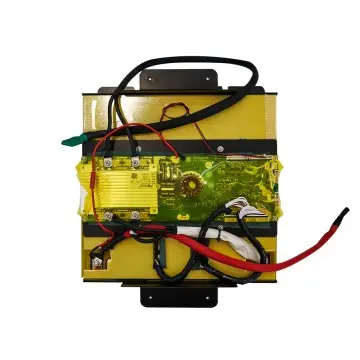
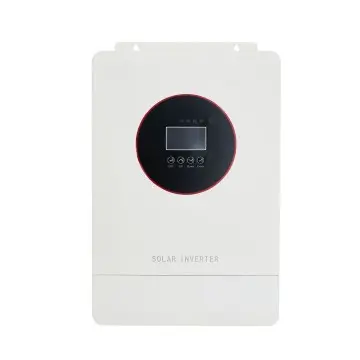
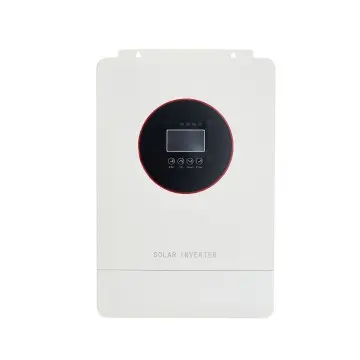
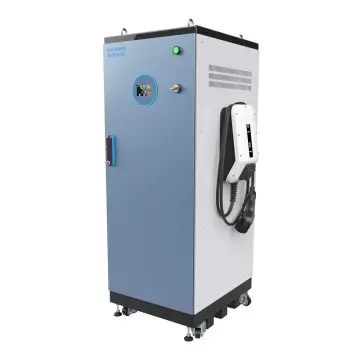
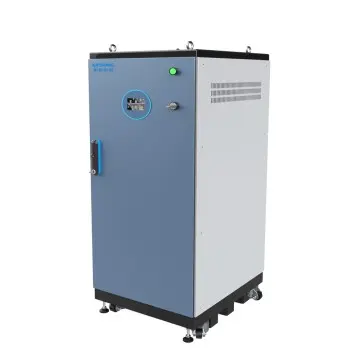
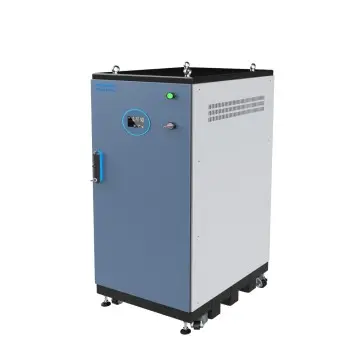
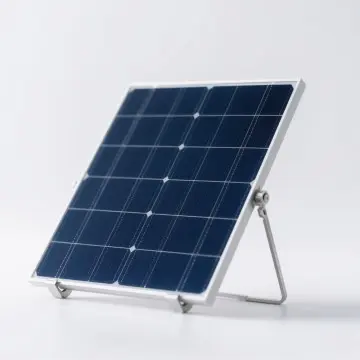
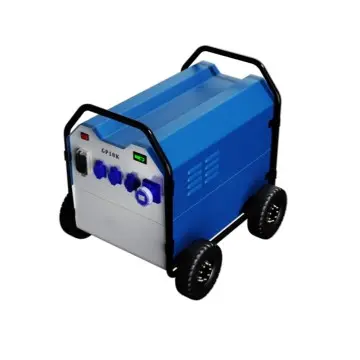
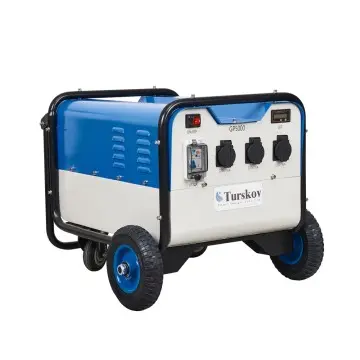
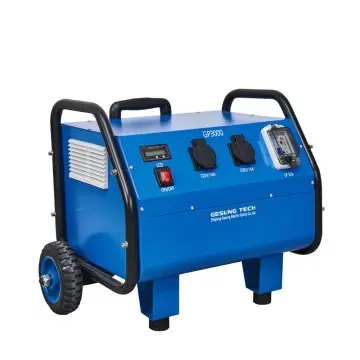
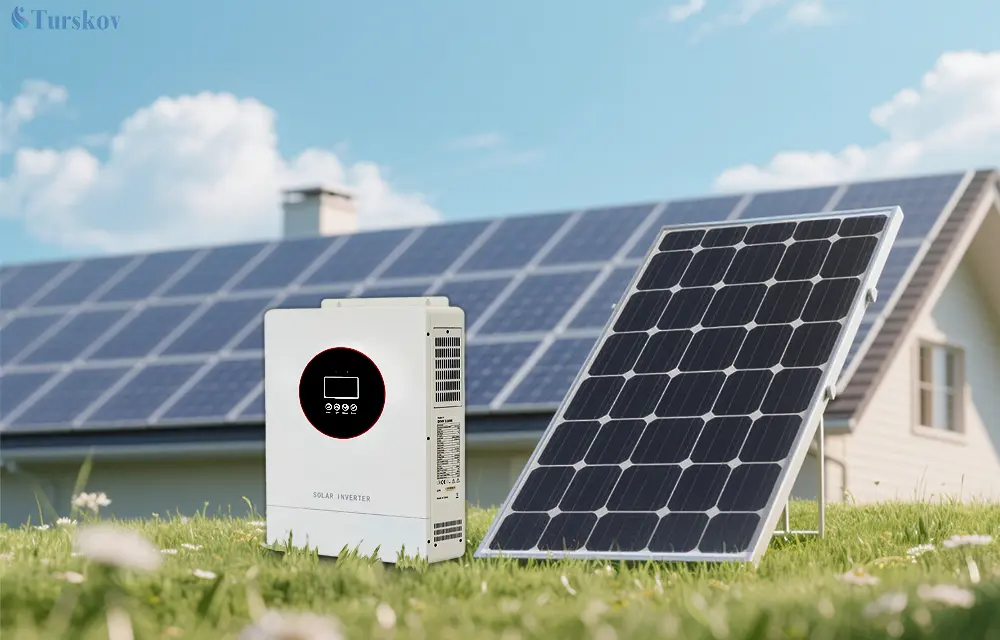
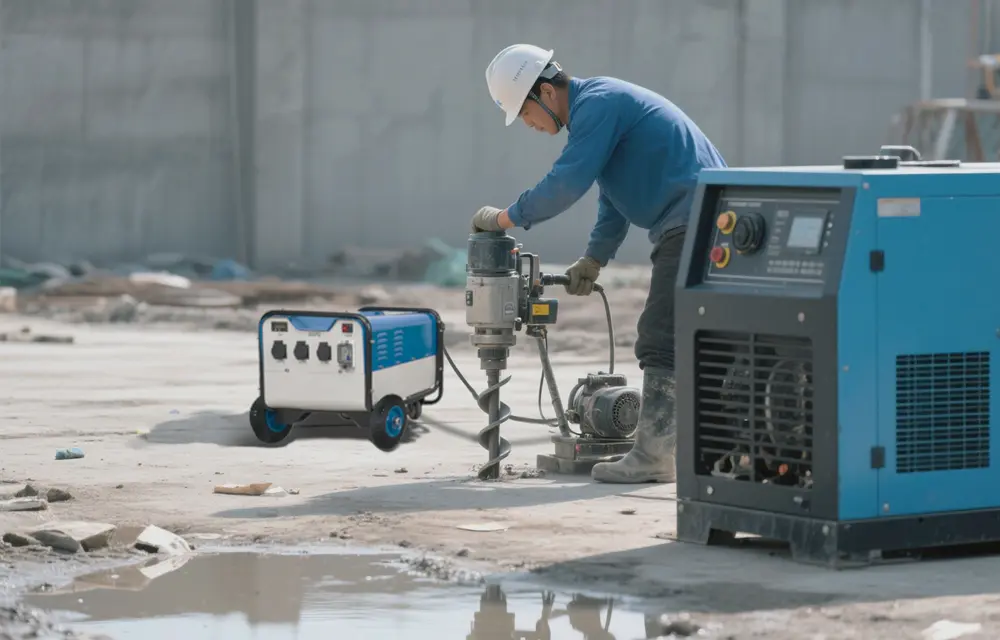
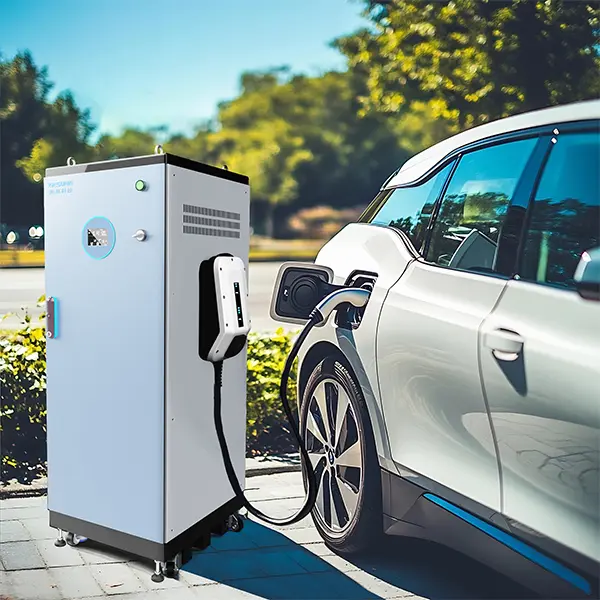
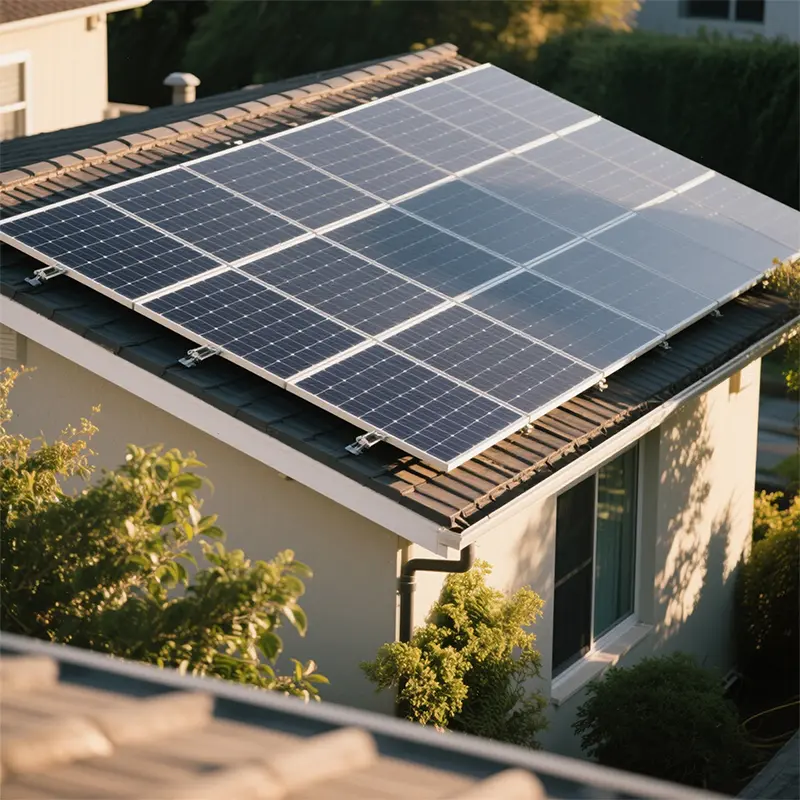
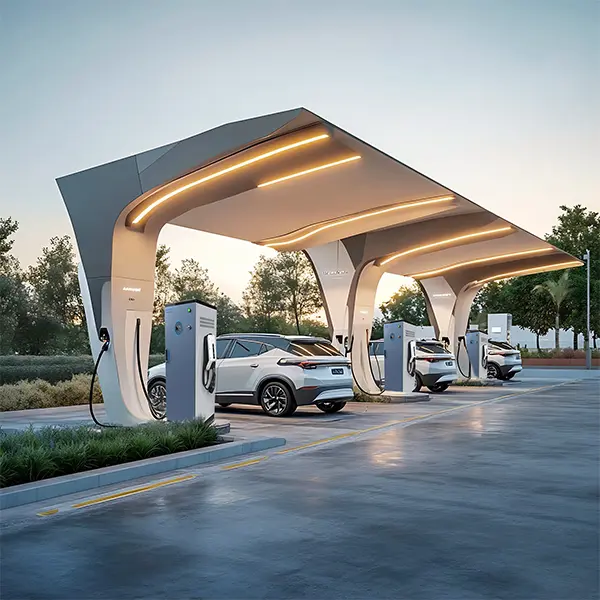
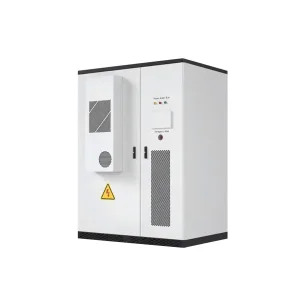
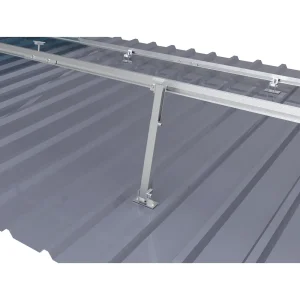
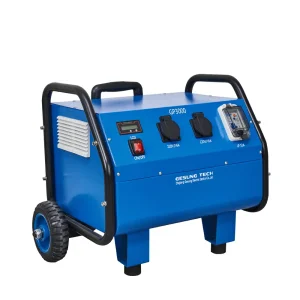
Explore our foundational range of Tier-1 manufactured off-grid energy storage systems, modular solar power walls, and utility-scale mobile generators designed for severe environments.
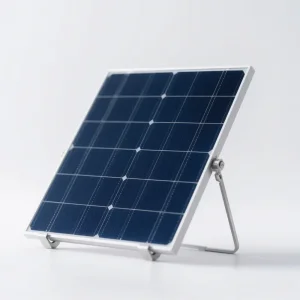
The global transition toward localized renewable energy networks has accelerated the demand for high-capacity, reliable solar off-grid power wall systems. Historically, off-grid systems were relegated to remote geographic outposts and micro-installations. Today, macroeconomic pressures, escalating grid instability, and aggressive decarbonization policies have transformed decentralized Battery Energy Storage Systems (BESS) into indispensable infrastructure assets for residential, commercial, and industrial (C&I) installations worldwide.
Utility-scale distributors, Engineering, Procurement, and Construction (EPC) contractors, and high-volume retail conglomerates require systems that fulfill rigorous technological standards:
B2B procurers require certifications like UL 9540, UL 1973, IEC 62619, CE, and UN38.3 to ensure absolute thermal, structural, and electrical safety during long-term operation.
Modern layouts demand a high degree of modularity. Systems must scale seamlessly from basic 15kWh residential setups up to 60kWh, 100kWh, or even 215kWh commercial arrays.
Maximizing Levelized Cost of Storage (LCOS) means ensuring low conversion losses. Buyers prioritize advanced MPPT inverters achieving >98% efficiency to minimize energy waste.
Furthermore, developers require extensive OEM/ODM support to adapt solar enclosures to diverse local building codes and extreme environmental conditions. High humidity, high altitude, and severe temperature ranges demand custom engineered cooling pathways, robust powder-coated enclosures, and high-performance BMS (Battery Management Systems) firmware adjustments.
Zhejiang Wenzhou New Energy Technology Co., Ltd. (suggested full name), headquartered in Wenzhou, China's hub of private economy, has been a pioneer in renewable energy solutions since its establishment in 2020. Spanning 15,000+ square meters, our facility houses CNAS-certified laboratories, EMC testing centers, and specialized R&D zones operating under ISO 9001/14001/45001 management systems, ensuring end-to-end quality control from raw materials to finished products.
As a global leader in solar power generation systems and portable energy solutions, we specialize in R&D and manufacturing of mobile generators, solar inverters, and hybrid energy storage products. With 36 patented technologies, including our 5th-gen hybrid inverter achieving 98.5% conversion efficiency, we export to 28+ countries and provide OEM/ODM services for Fortune 500 clients like Walmart and Home Depot. Our 200+ technical experts and 50,000-unit annual production capacity enable rapid customization for diverse energy needs.
We implement 7×24 multilingual customer support backed by a blockchain-enabled traceability system that resolves 90% of issues within 2 hours. Committed to sustainability, we are pursuing Net-Zero Factory certification with a roadmap to reduce global carbon emissions by 1 million tons by 2030. Through intelligent IoT-enabled energy ecosystems and cross-border partnerships, we empower businesses worldwide to transition toward greener operations seamlessly.
China's dominance in the BESS and battery manufacturing industry is not merely a consequence of labor availability, but the outcome of a highly integrated, automated ecosystem known as Industry 4.0. By leveraging deep supply chain cluster effects, Zhejiang Wenzhou New Energy Technology Co., Ltd. integrates component manufacturing, cell sorting, automated laser welding, and testing stages under a singular, digitally monitored network.
Our intelligent factory automation delivers substantial quality control and production benefits to our international B2B client base:
Using high-speed automated testers, cell internal resistance, open-circuit voltage, and individual capacity are verified to ensure maximum pack uniformity. This strict cell sorting protocol guarantees that all assembled lithium battery systems operate with minimal internal degradation, extending expected cycle lifetimes by up to 25% compared to non-standardized alternatives.
Our module manufacturing line employs computer-controlled robotic fiber laser welding systems. Unlike manual spot welding, robotic laser welding guarantees consistent penetration depths and low electrical contact resistance. This minimizes cell-to-busbar thermal hotspots, reducing system failure rates in high-current draw conditions.
Every single step, from incoming raw material inspection to the final burn-in test, is recorded into a digital Manufacturing Execution System (MES). Under our blockchain framework, global purchasers can query serial numbers to access verified testing parameters (EMC validation, cell batch matching records, and conversion metrics), confirming compliance with international import protocols.
Located within the Wenzhou private economy development zone, we draw components directly from regional raw material, copper busbar, terminal connector, and plastic molding suppliers. This physical proximity reduces lead times, insulates us from ocean freight delays, and lets us pass manufacturing cost-efficiencies back to OEM buyers.
Direct from our CNC and assembly production lines: multi-functional MPPT inverters, hybrid energy storage stations, structural mounts, and high-performance battery banks.
A true solar off-grid power wall system cannot operate as a one-size-fits-all product. Different geographic areas, user profiles, and operational priorities mandate structural and electrical layout customization. For example, a home backup energy storage solution in Germany requires a different grid integration protocol than a decentralized microgrid designed for agricultural pumping stations in South Africa.
During grid outages, our integrated systems supply steady electricity to essential appliances (refrigerators, HVAC systems, healthcare devices, and safety alarms). Our intelligent automatic transfer switch (ATS) transitions to battery power in less than 10 milliseconds, preventing data loss in home offices and safeguarding critical appliances.
Industrial clients lower operational expenses by charging their battery storage systems during off-peak times (or via on-site solar) and discharging during high-tariff peak demand periods. This strategy minimizes demand charge penalties and lowers overall utility bills.
For regions far from grid networks (such as mountainous areas, mining outposts, and agricultural fields), our integrated MPPT solar solutions provide a sustainable, standalone alternative to diesel generators, reducing carbon footprints and eliminating fuel logistics costs.
Our off-grid energy storage portfolio achieves high operational stability through several architectural features:
Detailed technical answers addressing core design, engineering challenges, certification protocols, and customization options for international buyers.
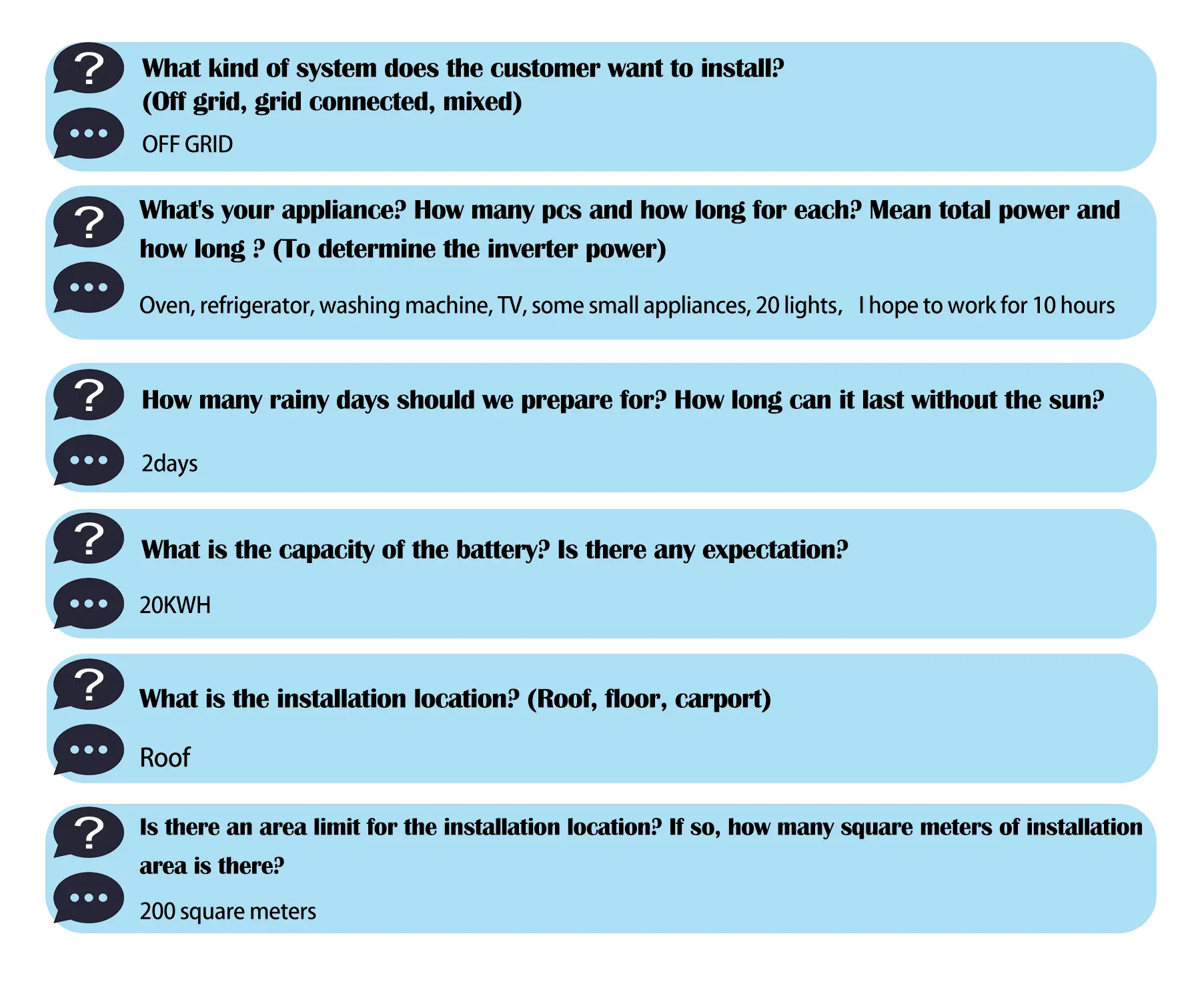
Our off-grid power walls use Tier-1 prismatic Lithium Iron Phosphate (LiFePO4) cells. Each batch undergoes strict sorting for internal resistance and capacity balance. Under nominal conditions (25°C, 0.5C charge/discharge rate, and 80% Depth of Discharge), the cells are designed to deliver 6,000+ cycles before capacity degrades to 80% of its original rating. This translates to an operational lifespan of over 10-15 years in daily cycle applications.
Yes. Our 5th-gen hybrid MPPT inverters (including the 4.2kW, 6.2kW, and 13.2kW models) are engineered with integrated parallel card kits. System integrators can parallel up to 6 units in single-phase or three-phase configurations. This allows the system to scale from small residential configurations to larger commercial installations, adapting seamlessly to changing load requirements.
Each manufactured energy storage device is assigned a unique, blockchain-registered cryptographic ID. During manufacturing, test data (including cell testing, thermal camera inspection records, and final EMC validations) is directly recorded to our distributed registry. B2B buyers can scan the system QR code to verify raw material authenticity and access certified performance metrics, simplifying compliance audits in global markets.
Our OEM/ODM services cover structural, electrical, and firmware customization. We offer custom sheet-metal designs, custom paint jobs, and multi-protocol BMS communication cards (supporting CANbus, RS485, and Modbus). At the firmware level, we can adjust low-voltage disconnects, max charge thresholds, and specific grid profiles to match local utility standards.
Safety is a priority in our design. We employ physical fire-barrier sheets between cells, built-in pressure relief valves, and an advanced BMS that monitors individual cell temperatures. If the system detects abnormal temperature rises, the BMS automatically disconnects the charge/discharge relays. Our enclosures are built with non-combustible materials to prevent external fire propagation, complying with UL 9540A safety standards.
A broad range of high-efficiency off-grid pure sine wave inverters and integrated power wall configurations designed for residential and commercial systems.
Explore our heavy-duty emergency backup systems, smart mobile power banks, and commercial-grade energy storage units for modern industrial sites.
Connect with Zhejiang Wenzhou New Energy's R&D team to configure custom systems, verify regional compliance standards, or receive a project estimate.
Submit RFQ Request Turskov