 Turskov
1 / 4
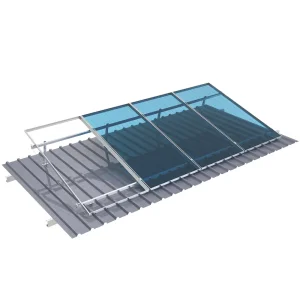
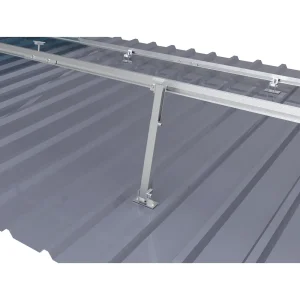
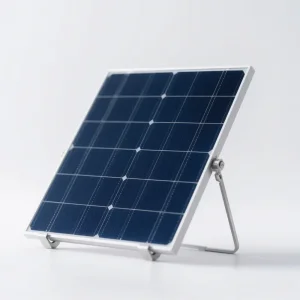
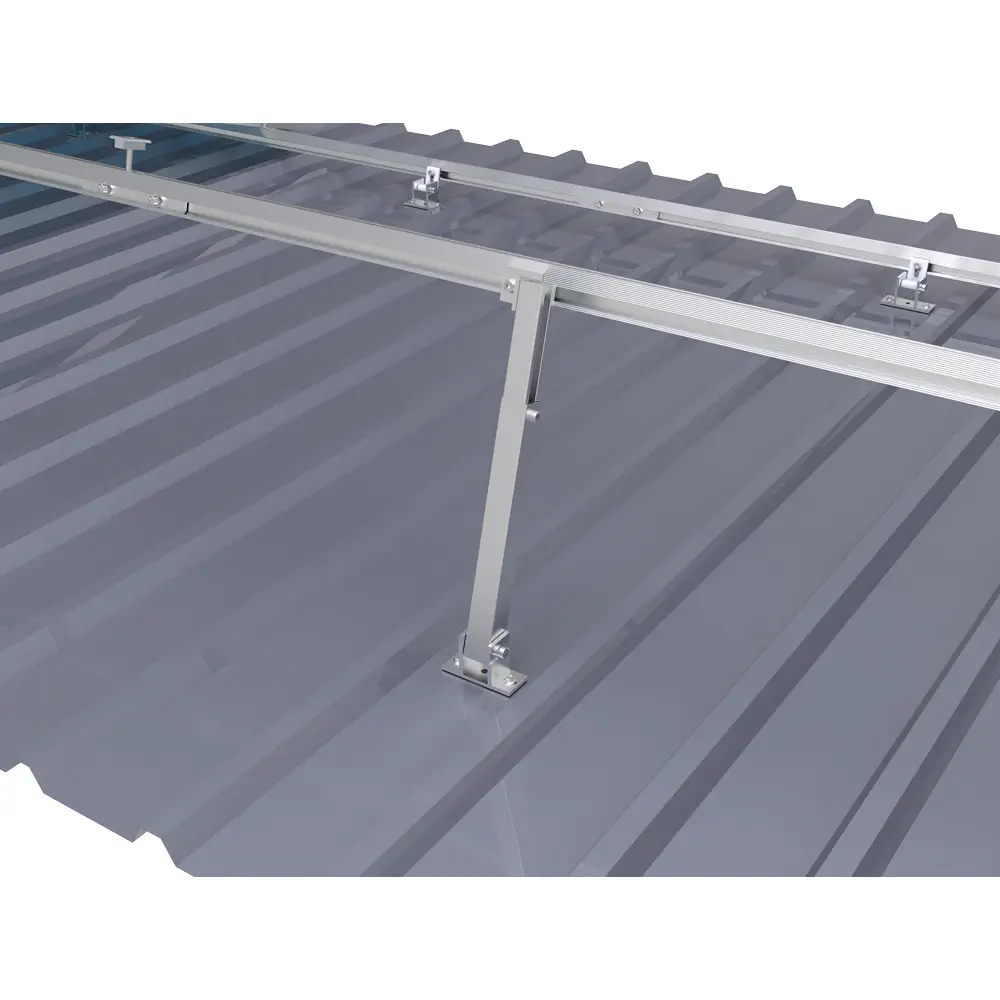
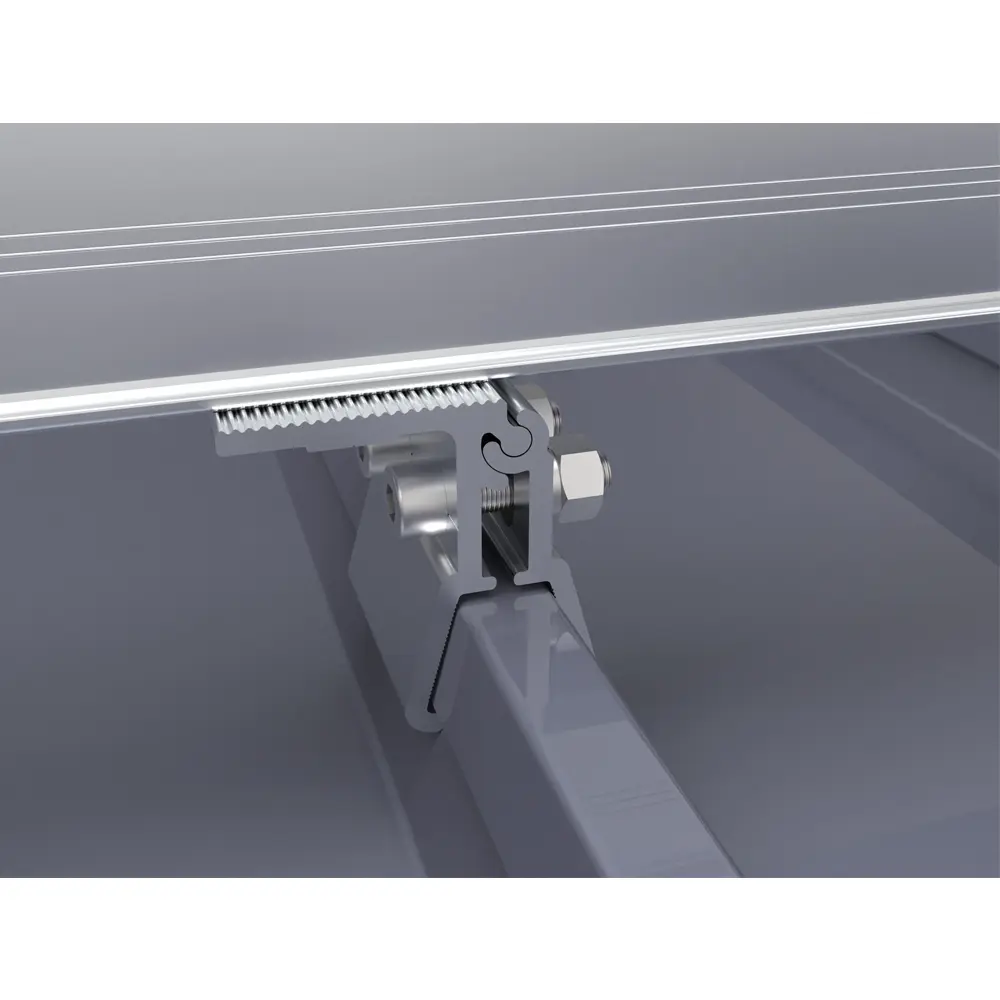
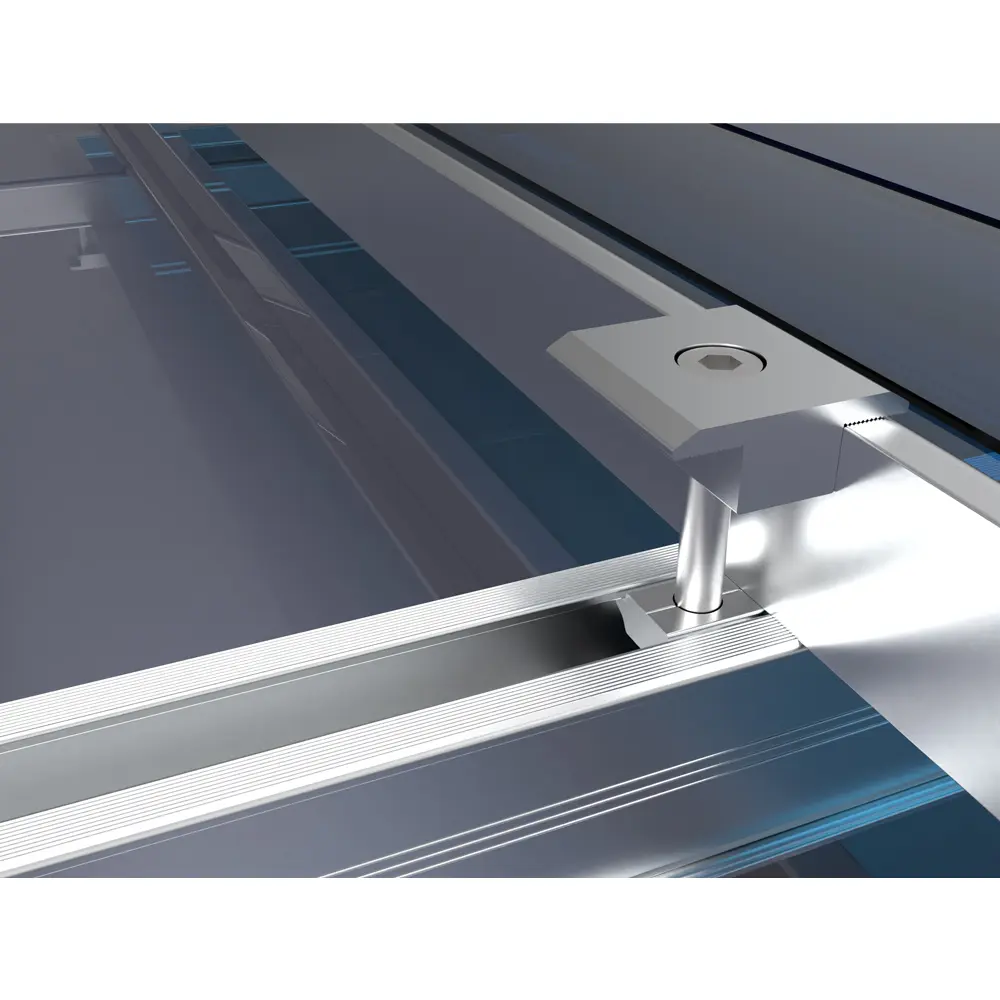
Solar supports are designed to securely mount solar panels, ensuring they remain stable and secure under various weather conditions. These supports are typically made from robust materials such as aluminum or steel, which are known for their strength and resistance to corrosion. This durability ensures that the supports can withstand harsh environmental conditions, including high winds, heavy snow, and extreme temperatures, without degrading over time.
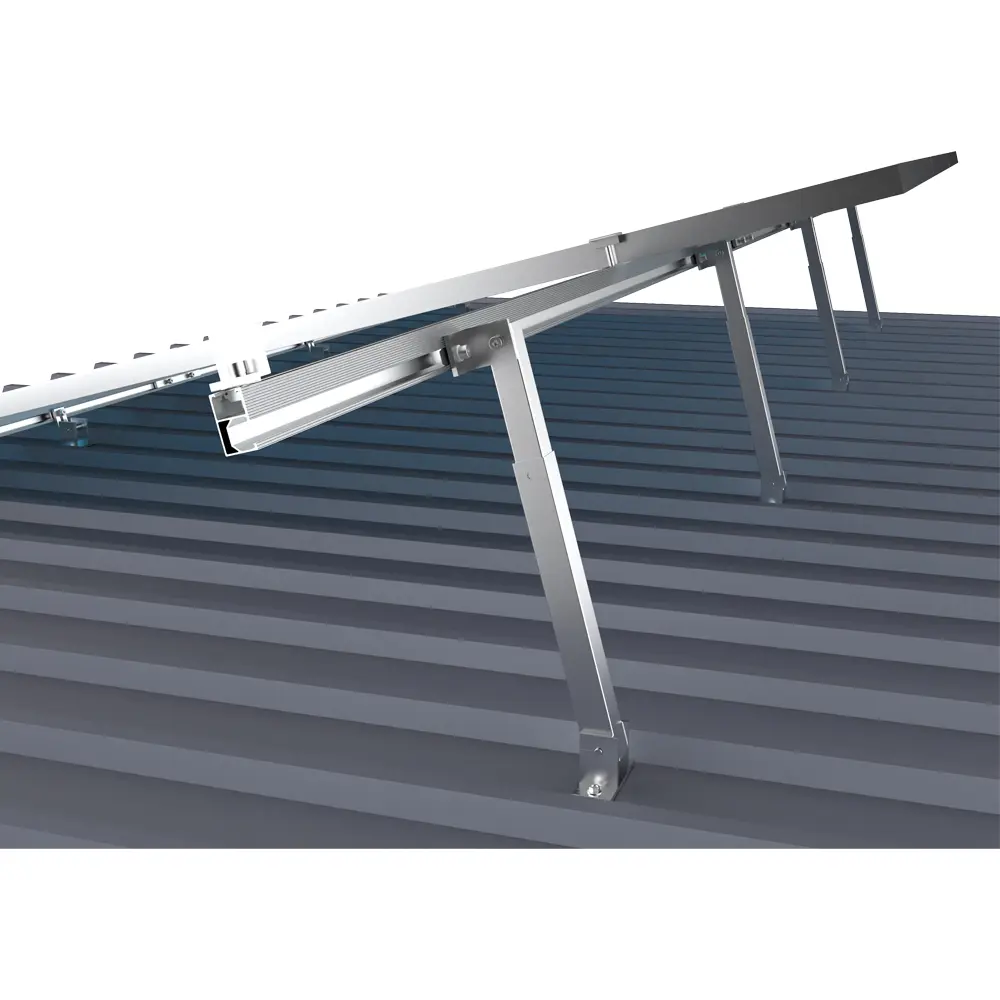
One of the key advantages of solar supports is their adjustability. These supports allow for precise adjustments in the angle and orientation of the solar panels. By optimizing the angle at which the panels face the sun, users can maximize sunlight capture and energy production. This adjustability is particularly important in locations with varying sun angles throughout the year, ensuring that the panels are always positioned to receive the maximum amount of sunlight.
Solar supports are often treated with anti-corrosive coatings or made from materials that are inherently resistant to rust and corrosion. This feature is crucial for long-term performance, as it prevents the supports from weakening or deteriorating over time. Corrosion-resistant materials ensure that the supports maintain their structural integrity, even in humid or salty environments.
Many solar supports are designed for easy installation, with modular components that can be quickly assembled and mounted. This simplifies the installation process, reducing labor costs and installation time. Additionally, some supports come with pre-drilled holes and alignment guides, making it easier to achieve precise and secure mounting.
Solar supports are available in a variety of configurations and sizes to meet different installation needs. Whether for residential rooftops, commercial buildings, or large-scale solar farms, there are supports designed to fit the specific requirements of each project. This customization ensures that solar panels can be installed effectively in any setting, from small-scale installations to expansive solar arrays.
In addition to their functional benefits, solar supports are often designed to blend seamlessly with the surrounding environment. For rooftop installations, supports can be designed to match the architectural style of the building, minimizing visual impact. This aesthetic consideration is important for maintaining the appearance of residential and commercial properties while still benefiting from solar energy.
Solar supports are indispensable for the successful installation and operation of solar panels. They provide the necessary stability, durability, and adjustability to ensure that solar panels perform optimally over their lifespan. Made from robust materials like aluminum or steel, these supports resist weather and corrosion, ensuring long-term reliability. Whether for residential, commercial, or industrial applications, solar supports are a crucial component in harnessing the power of the sun efficiently and effectively.