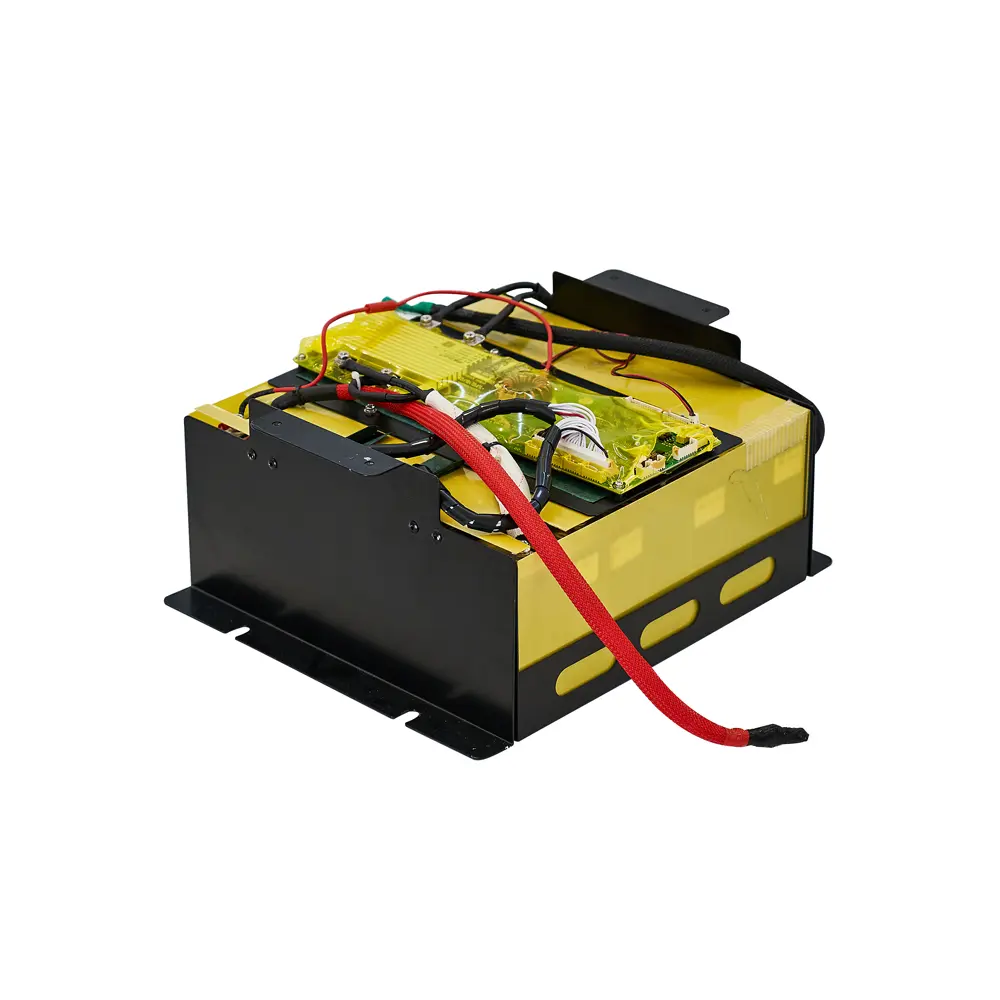
China Lithium iron phosphate battery Suppliers, Manufacturer

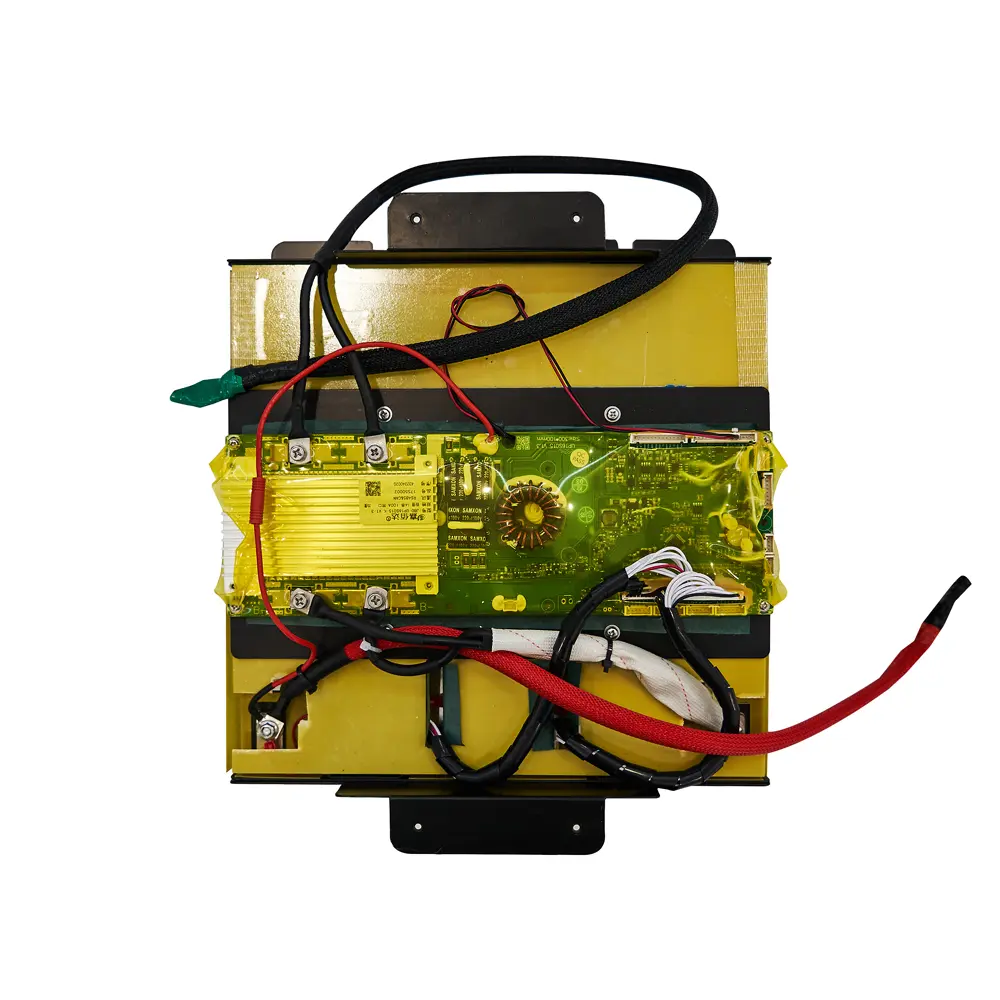
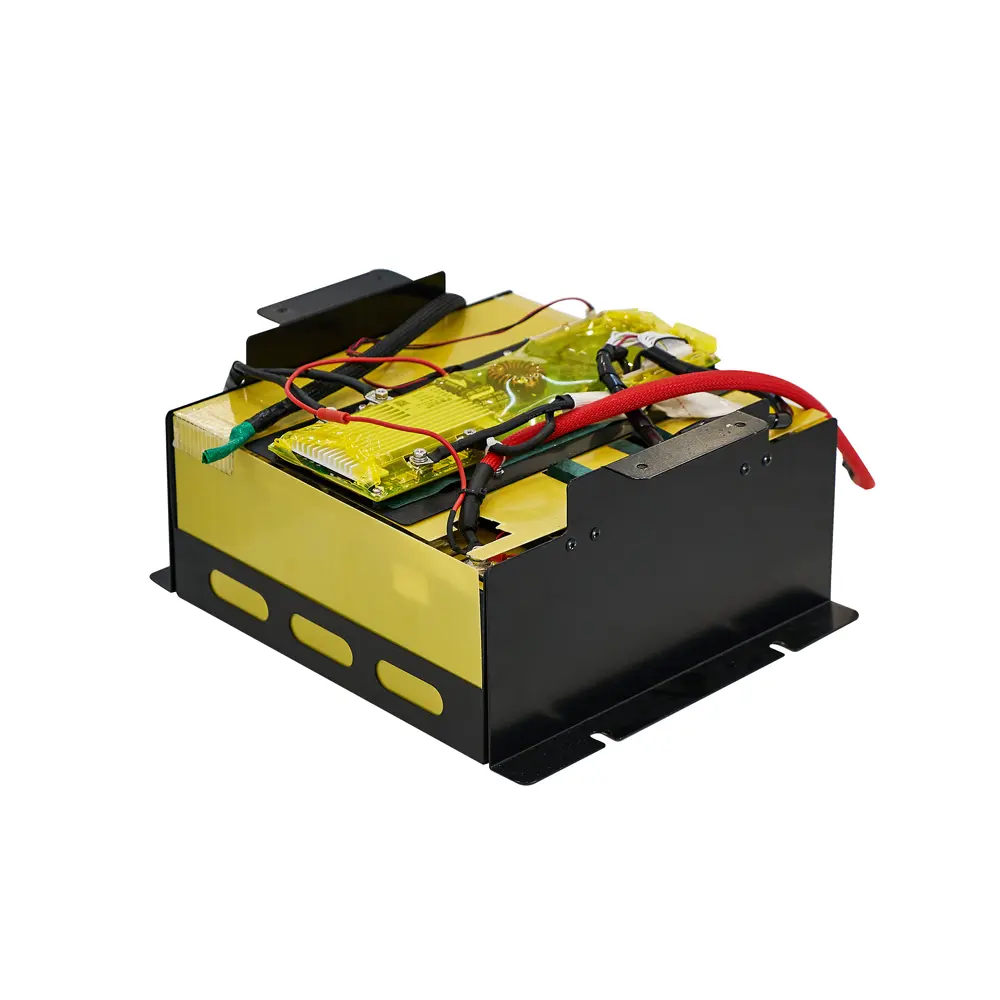
Lithium iron phosphate (LiFePO₄) batteries are known for their high safety, long cycle life, and thermal stability. They offer consistent voltage output and are environmentally friendly with a wide operating temperature range. Though their energy density is moderate, they prioritize safety and durability, making them ideal for energy storage and electric vehicles.

Product Description

Product Description

Lithium iron phosphate (LiFePO₄) batteries have gained significant attention in recent years due to their exceptional performance characteristics, making them a preferred choice for various applications, particularly in energy storage and electric vehicles.

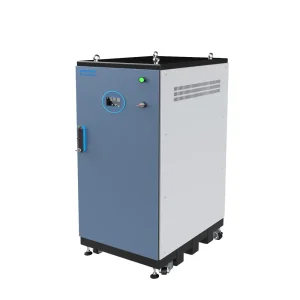
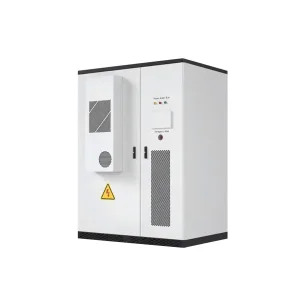
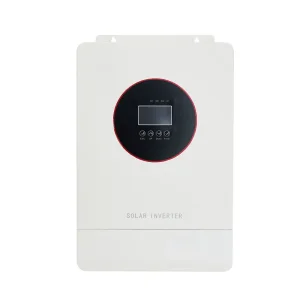
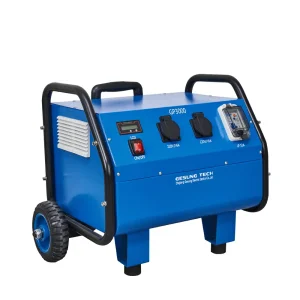
The Eco-Friendly Solar Off-Grid Power Wall 60KW is a high-performance Off-Grid Power generation system all-in-one machine.

1. High Safety

Inherent Stability: LiFePO₄ batteries are renowned for their high safety profile. The iron phosphate chemistry is inherently more stable compared to other lithium-ion chemistries, such as lithium cobalt oxide (LCO) or lithium nickel manganese cobalt oxide (NMC). This stability reduces the risk of thermal runaway, a condition where the battery overheats and potentially catches fire.
Thermal Management: The thermal stability of LiFePO₄ batteries means they can operate safely at higher temperatures without the need for complex and expensive cooling systems. This makes them particularly suitable for applications where environmental conditions are harsh or where space for cooling systems is limited.

2. Long Cycle Life

Durability: LiFePO₄ batteries exhibit an impressive cycle life, often exceeding 2,000 cycles while maintaining a significant portion of their original capacity. This longevity is crucial for applications like energy storage systems, where the battery is frequently charged and discharged over many years.
Cost-Effectiveness: The long cycle life translates to lower cost per cycle, making LiFePO₄ batteries a cost-effective solution for applications that require frequent and prolonged use. This is particularly beneficial for grid storage and renewable energy integration, where the battery system needs to be reliable and durable over its entire lifespan.

3. Consistent Voltage Output

Flat Discharge Curve: LiFePO₄ batteries provide a relatively flat discharge curve, meaning they maintain a consistent voltage output throughout most of their discharge cycle. This consistency is important for applications that require stable power delivery, such as electric vehicles and uninterruptible power supplies (UPS).
Efficient Energy Utilization: The consistent voltage output ensures that the connected devices operate efficiently without experiencing voltage drops that could affect performance. This is particularly beneficial for sensitive electronics and critical systems that rely on stable power.

4. Environmental Friendliness

Non-Toxic Materials: LiFePO₄ batteries are composed of non-toxic materials, making them environmentally friendly. Unlike some other lithium-ion chemistries that contain cobalt or nickel, LiFePO₄ batteries are less harmful to the environment and pose fewer risks during disposal or recycling.
Recyclability: The materials used in LiFePO₄ batteries are more easily recyclable, contributing to a more sustainable lifecycle. This is an important consideration as the demand for battery recycling grows with the increasing adoption of electric vehicles and energy storage systems.

5. Wide Operating Temp Range

Versatility: LiFePO₄ batteries can operate effectively within a wide temperature range, typically from -20°C to 60°C. This versatility makes them suitable for a variety of environments, from cold climates to hot and arid regions.
Reduced Thermal Management: The wide operating temperature range means that LiFePO₄ batteries require less sophisticated thermal management systems compared to other lithium-ion batteries. This not only reduces the overall system complexity but also lowers the cost and maintenance requirements.

6. Moderate Energy Density

Balanced Performance: While LiFePO₄ batteries have a moderate energy density compared to some other lithium-ion chemistries, they offer a balanced performance that prioritizes safety, durability, and thermal stability. This makes them ideal for applications where these factors are more critical than achieving the highest possible energy density.
Optimized for Specific Uses: The moderate energy density is sufficient for many applications, especially those that do not require extremely high power density but benefit from long cycle life and high safety.

7. Ideal for Key Applications

Energy Storage Systems: LiFePO₄ batteries are widely used in energy storage systems due to their long cycle life, high safety, and consistent performance. They are particularly effective in applications such as grid storage and renewable energy integration.
Electric Vehicles: In the automotive sector, LiFePO₄ batteries are used in electric vehicles, especially those that prioritize safety and durability over maximum range. They provide a reliable and long-lasting power source, reducing the total cost of ownership.

Conclusion

Lithium iron phosphate (LiFePO₄) batteries are a versatile and reliable choice for applications that require high safety, long cycle life, and consistent performance. Their thermal stability, environmental friendliness, and wide operating temperature range make them suitable for a variety of challenging environments. While their energy density is moderate, their overall performance characteristics make them an ideal solution for energy storage and electric vehicles, where safety and durability are paramount.

Frequently Asked Questions (FAQ)

Q: What is a LiFePO₄ battery?

A: A Lithium Iron Phosphate (LiFePO₄) battery is a type of lithium-ion battery that uses lithium iron phosphate as the cathode material, offering excellent safety, stability, and lifespan features.

Q: What makes LiFePO₄ batteries safer than other lithium-ion batteries?

A: LiFePO₄ chemistry features inherent chemical and thermal stability, making them highly resistant to thermal runaway, overheating, and combustion even under harsh conditions.

Q: How many cycles can a LiFePO₄ battery last?

A: LiFePO₄ batteries generally offer an impressive cycle life, frequently exceeding 2,000 charge-discharge cycles while retaining a major portion of their initial capacity.

Q: What is the operating temperature range for LiFePO₄ batteries?

A: They operate efficiently across a wide temperature range, typically from -20°C to 60°C, making them highly versatile for extreme weather applications.

Q: Are LiFePO₄ batteries environmentally friendly?

A: Yes, they are manufactured using non-toxic materials, completely free of toxic heavy metals like cobalt or nickel, and are much easier to recycle.

Q: What are the primary applications of these batteries?

A: They are ideal for high-safety, long-life demand applications like solar off-grid energy storage systems, grid balancing, and electric vehicles.
Related Products