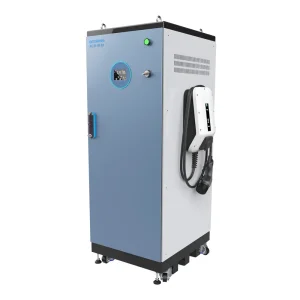
Engineered for high performance, dynamic load management, and strict compliance with Japan's grid interconnection standards.
Japan’s energy market is undergoing a structural paradigm shift. Following the feed-in tariff (FIT) transition to Feed-in Premium (FIP) schemes, industrial operators face high grid surcharge costs, regional power transmission constraints, and strict grid capacity ceilings. Commercial enterprises are increasingly exposed to high electricity rates due to fuel adjustment taxes.
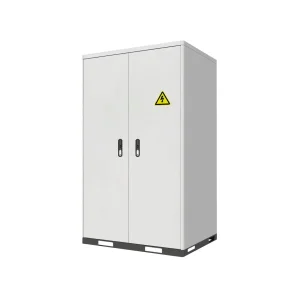
Integrating a 100kW Commercial Energy Storage System (BESS) offers a clear strategic response. By storing excess solar generation or cheap off-peak power and releasing it during peak hours (peak cutting), companies can lower their contract capacity rates with major utilities like TEPCO or KEPCO. This transition to dynamic load management is critical for operational cost predictability in manufacturing hubs.
For Japanese businesses, continuity during natural disasters is a survival requirement, not just an option. A 100kW energy storage solution acts as a key element of a company's Business Continuity Planning (BCP).
Our structures are engineered to satisfy stringent seismic standards, featuring robust enclosures designed to withstand high-magnitude shocks. Integrated with backup diesel generators or local rooftop solar PV systems, our 100kW systems provide critical load support for production lines, storage facilities, and data centers. This ensures that operations can continue smoothly even during extended grid outages.
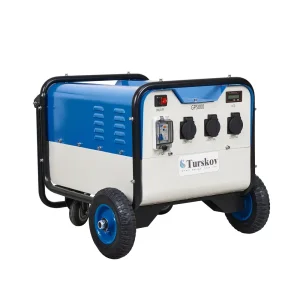
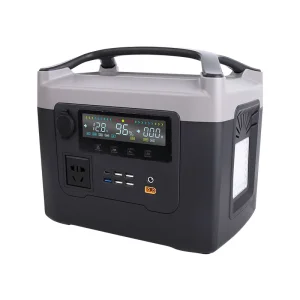
Compact, highly responsive units designed for field operations, disaster relief, and backup requirements for mobile infrastructure in Japan.
Globally, industrial energy storage has evolved from simple peak-shaving units into dynamic grid-interactive systems. These systems participate in ancillary markets, frequency regulation, and virtual power plants (VPPs). Modern C&I installations use high-voltage architectures (up to 1500V DC) to minimize conversion losses and optimize thermal performance.
While the global market prioritizes maximum energy density, Japan stands out for its emphasis on safety and system lifetime. Strict grid connection guidelines set by METI require rigorous thermal runaway protections and testing to prevent propagation across battery racks. Our 100kW solutions are designed to address these priorities directly.
Securing grid connection approval in Japan requires navigating complex regulatory standards, including the Fire Service Act (消防法). Battery systems exceeding specific chemical capacity limits must comply with precise spacing, fire containment barriers, and specialized ventilation designs.
Our 100kW BESS utilizes high-stability Lithium Iron Phosphate (LiFePO4) chemistry and is engineered to comply with Japanese fire protection standards. By partnering with local EPC providers, we provide full support for regional grid applications, streamlining the inspection and grid connection process for industrial facilities.
As a global leader in hybrid energy ecosystems, we operate a 15,000+ square meter manufacturing facility utilizing advanced production technologies. Our facility is equipped with CNAS-certified laboratories and EMC testing facilities operating under certified ISO 9001, ISO 14001, and ISO 45001 management systems. This ensures strict quality control from raw materials to final assembly.
With 36 patents, including our 5th-generation hybrid inverters achieving 98.5% conversion efficiency, we support OEM/ODM projects for major global partners. Each system is integrated with our blockchain-enabled traceability system, allowing clients to trace the lifecycle and manufacturing data of every battery pack, supporting long-term operational transparency.
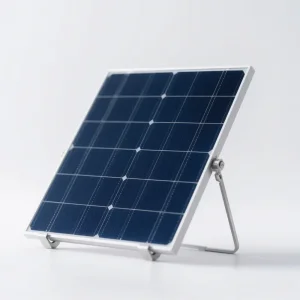
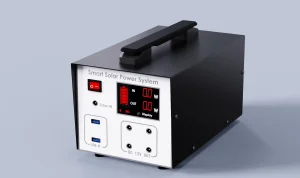
Our hybrid energy options extend to localized off-grid systems. The Solar Off-Grid Power System provides residential backup and light commercial power in remote or grid-constrained regions.
These systems capture solar energy, convert it to DC, and store it in safe, high-capacity LFP batteries. When grid outages occur, the integrated inverter automatically transitions to island mode, providing reliable power for key appliances like refrigeration, communications, and emergency lighting. The modular design simplifies installation and maintenance, offering a resilient solution for rural and mountainous areas across Japan.
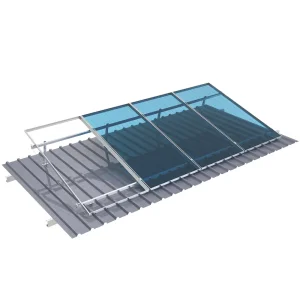
A comprehensive portfolio of off-grid inverters, durable solar PV panels, energy walls, and smart controllers optimized for Japanese industrial sites.
Consult with our engineering team today to customize a containerized or modular layout tailored to your local grid parameters, Fire Service Act compliance, and load profiling requirements.
Send Inquiry NowIntegrating next-generation battery management systems with global standards for clean energy integration.
Modern battery management systems operate at the pack, rack, and system levels to monitor voltage, temperature, and internal resistance in real time. Our systems incorporate advanced diagnostics to detect thermal anomalies early, preventing potential failures before they escalate.
By using cloud-integrated EMS platforms, operators can track performance metrics, manage charging schedules based on weather forecasts, and participate in Virtual Power Plant (VPP) markets. This real-time visibility helps optimize system performance and efficiency.
We are actively working toward certifying our primary production facilities as Net-Zero Factories, with a long-term goal of mitigating carbon emissions globally by 2030. Each system is designed with sustainability in mind, featuring high recyclability rates and environmentally friendly production processes.
As the clean energy sector shifts toward circular lifecycles, we aim to design systems that support both high performance and a reduced environmental footprint, assisting partners in meeting their corporate ESG targets.
Key technical, commercial, and regulatory questions regarding the installation of 100kW energy storage systems in Japan.
 Turskov