Engineered for high grid reliability, peak efficiency, and rapid installation protocols in western Japan's 60Hz utility standard.
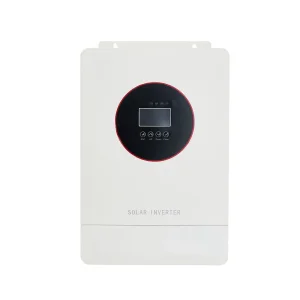
Smart dual tracking MPPT configuration optimized for Osaka residential arrays.
View Specs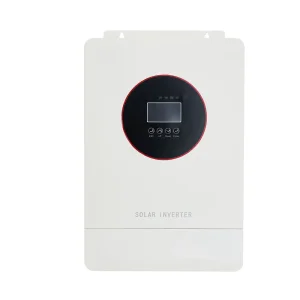
Reliable backup power with minimal THD for commercial telecommunication nodes.
View Specs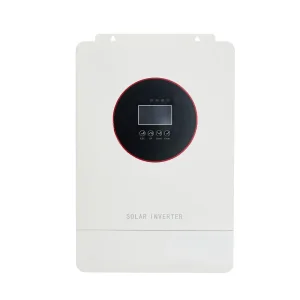
Robust thermal dissipation designed for regional Osaka factory power banks.
View Specs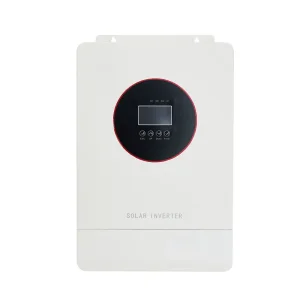
High capacity multi-channel inverter for microgrids in western Japan.
View SpecsThe Kansai region, anchored by Osaka's extensive manufacturing base and major commercial logistics facilities, is undergoing a deep structural transformation towards net-zero carbon operations. With Western Japan operating strictly at a 60Hz AC grid frequency standard, selecting high-efficiency grid-tie and off-grid solar inverters requires rigid alignment with local grid regulations. The region’s aggressive adaptation of the RE100 standard has placed unprecedented pressure on industrial enterprises in Sakai, Higashiosaka, and the Yumeshima island zone to secure robust energy transition systems.
Local corporations are utilizing decentralized photovoltaic (PV) generation with hybrid battery energy systems (BESS) to buffer escalating utility peak-tariffs. Inverter technologies engineered for the Osaka market must not only handle complex commercial load profiles but also facilitate direct micro-grid islanding capabilities during emergency shutoffs—a crucial parameter for local emergency preparedness protocols (BCP compliance).
Standard Kansai Frequency
Maximum Inverter Efficiency
Disaster Preparedness Approved
Exploring the next frontier of power electronics, semiconductor architecture, and advanced MPPT firmware.
The foundation of our engineering platform relies on Wide Bandgap (WBG) materials, shifting away from legacy silicon transistors to Gallium Nitride (GaN) and Silicon Carbide (SiC) switches. This enables switching frequencies upwards of 100 kHz while minimizing thermal degradation and static loss. The ultimate result is a total harmonic distortion (THD) of less than 2%, ensuring a flawless sine-wave curve for critical scientific equipment, packaging lines, and industrial automated systems in the Osaka prefecture.
Moving beyond basic current inversion, the modern industrial landscape demands real-time predictive grid interactions. Our software features AI-driven maximum power point tracking (MPPT) that dynamic scans double-sided photovoltaic arrays every 1.5 seconds, predicting and mitigating shading patterns from nearby factory infrastructure. Coupled with native Modbus TCP/RTU interfaces and cloud-based REST APIs, Osaka operators can manage load-shifting routines autonomously based on wholesale spot prices on the Japan Electric Power Exchange (JEPX).
Direct communication layer with lithium iron phosphate chemistry via CAN bus interfaces.
Dual-ball bearing smart cooling modules paired with integrated copper heat pipes for high ambient operations.
Automatic phase tracking and voltage sag compensation keeping essential plants operational during transient sags.
Rigorous verification testing processes verifying static conversion performance parameters and environmental tolerances.
Delivering high-reliability topologies for commercial hubs, data centers, and multi-tenant manufacturing plants.
For large-scale processing facilities in Osaka's industrial port area, peak utility tariffs represent a significant operational expense. Our hybrid storage system acts as an autonomous arbitrage controller: charging from on-site PV arrays during off-peak morning hours and discharging during critical peak demand windows. This reduces total utility demand charges by up to 35% annually.
For data distribution hubs running high-density computing loads, our multi-in-one industrial units switch to off-grid backup in less than 10 milliseconds, which keeps servers running seamlessly. Zero crossover voltage spikes protect sensitive processing infrastructure, while our high-efficiency cooling loops maintain low PUE metrics.
Deploying distributed generation across entire facility footprints. Connecting multiple 100kW energy storage clusters alongside emergency generators over a localized controller, utilizing smart load prioritization to run key assembly lines independently of national grid conditions.
Entering the Japanese industrial energy market demands total compliance with localized testing standards. Every inverter distributed for commercial operations must conform strictly to the Electrical Appliance and Material Safety Act (PSE Law) and secure certification from Japan Electrical Safety & Environment Technology Laboratories (JET). These protocols ensure grid isolation safety, anti-islanding protection (both passive and active methods), and compliance with the Kansai Electric Power Co. (KEPCO) technical requirements for grid interconnection.
Our dedicated compliance engineers maintain active communication channels with JET auditors to evaluate dynamic grid support functions, electromagnetic compatibility (EMC), and emergency manual shutoff overrides. This guarantees that our manufacturing partner, Zhejiang Wenzhou New Energy Technology Co., Ltd., ships products ready for immediate installation and local utility sign-offs.
Active frequency shift method and passive phase jump detection logic integrated natively into our firmware control loops.
Full testing documentation validation under JIS C 8961 and IEC standards for utility-interactive inverters.
Dedicated LC/LCL filtration boards engineered to suppress interference and clean total harmonic distortion levels.
Combining world-class production infrastructure with state-of-the-art laboratory validation.
Our manufacturing partner, Zhejiang Wenzhou New Energy Technology Co., Ltd., is situated in Wenzhou—China's historical engine of high-precision component manufacturing. Spanning a modern 15,000+ square meter footprint, the facility integrates full automation across the assembly line, SMT surface-mount facilities, robotic selective wave-soldering stations, and computerized testing bays operating under strict ISO 9001, ISO 14001, and ISO 45001 management parameters.
The facility features CNAS-certified in-house testing laboratories and comprehensive electromagnetic compatibility (EMC) chambers. This ensures end-to-end trace documentation for incoming power components (IGBTs, capacitors) and finished systems. In addition, our blockchain-enabled component history database traces individual units back to component lot batches, streamlining localized product warranty administration and resolution response times for high-volume corporate accounts.
Modern Automated Assembly Plant
Comprehensive Diagnostic Capabilities
In-House Hardware Designs
Secured Supply Chain Quality Control
Explore our full range of solutions, including portable power systems, battery walls, panels, and large-scale industrial storage systems.
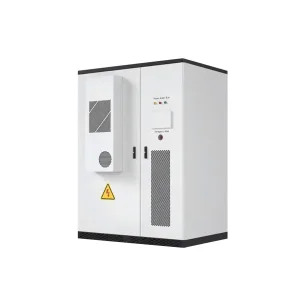
Liquid-cooled BESS configured for high-density computing loads.
View Specs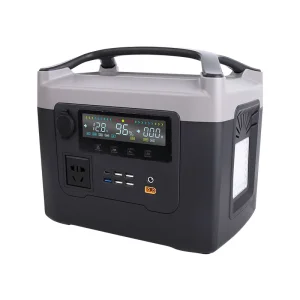
Rugged portable power bank for site operations and emergency services.
View Specs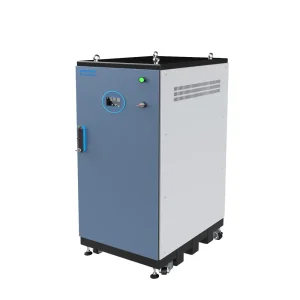
Modular wall-mounted battery systems for residential microgrids.
View Specs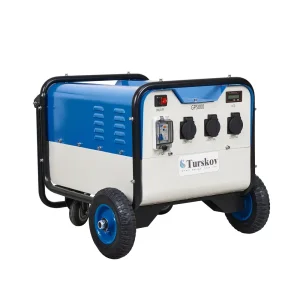
Smart generator system with cloud control and dynamic load balancing.
View Specs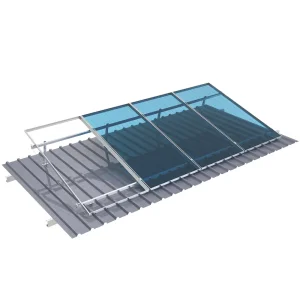
Monocrystalline PV modules with high low-light output efficiency.
View Specs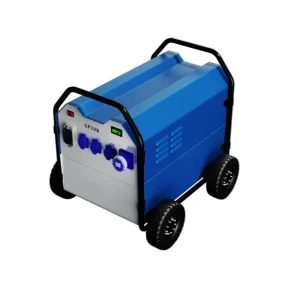
Mobile system configured on castor wheels for rapid site deployment.
View Specs
Perfect backup solution for offices, retail networks and logistics parks.
View Specs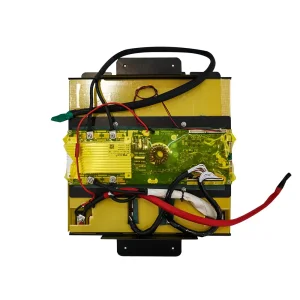
Long cycle life cells designed for deep discharge profiles.
View Specs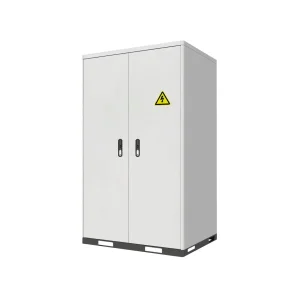
Full containment system designed for fast utility interconnect approvals.
View Specs
Direct interface with local solar arrays for self-consumption optimization.
View Specs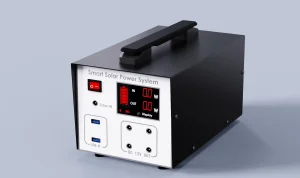
Compact design for technicians and field utility inspectors.
View Specs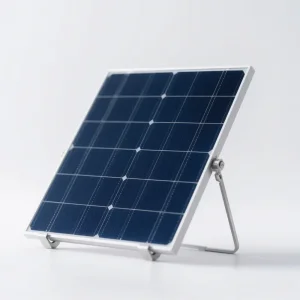
Customized engineering setups designed for isolated industrial zones.
View SpecsIn-depth responses to direct engineering, compliance, and procurement queries regarding Osaka operations.
Get in touch with our team for detailed parameter configurations, system layouts, JET/PSE certification support, or commercial volume quotes.
 Turskov