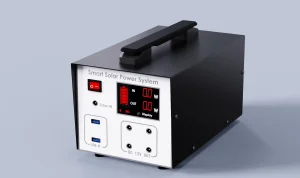
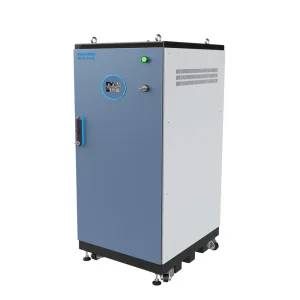
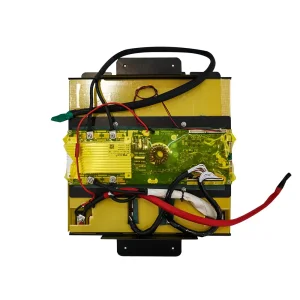
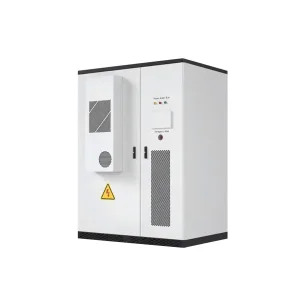
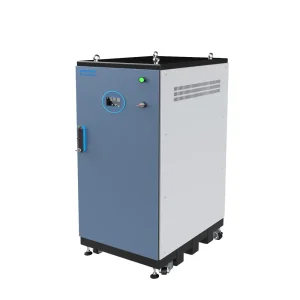
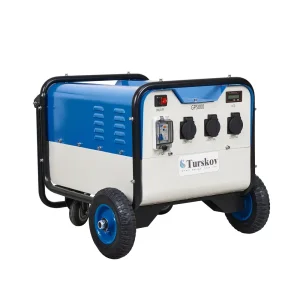
Engineered to support regional manufacturing grids, residential backup installations, and decentralized field stations across the Ethiopian Highlands and industrial parks.
Partnering with浙江温州新能源科技股份有限公司 (Zhejiang Wenzhou New Energy Technology Co., Ltd.) to deliver premium energy ecosystems worldwide.
Zhejiang Wenzhou New Energy Technology Co., Ltd. (headquartered in Wenzhou, China's hub of private economy) has been a pioneer in renewable energy solutions since its establishment in 2020. Spanning 15,000+ square meters, our facility houses CNAS-certified laboratories, EMC testing centers, and specialized R&D zones operating under ISO 9001/14001/45001 management systems, ensuring end-to-end quality control from raw materials to finished products.
As a global leader in solar power generation systems and portable energy solutions, we specialize in the R&D and manufacturing of mobile generators, solar inverters, and hybrid energy storage products. With 36 patented technologies, including our 5th-gen hybrid inverter achieving an exceptional 98.5% conversion efficiency, we export to 28+ countries and provide OEM/ODM services for Fortune 500 clients like Walmart and Home Depot. Our 200+ technical experts and 50,000-unit annual production capacity enable rapid customization for diverse energy needs.
We implement a 7×24 multilingual customer support system backed by a blockchain-enabled traceability structure that resolves 90% of issues within 2 hours. Committed to sustainability, we are actively pursuing Net-Zero Factory certification with a roadmap to reduce global carbon emissions by 1 million tons by 2030. Through intelligent IoT-enabled energy ecosystems and cross-border partnerships, we empower businesses worldwide to transition toward greener, highly resilient operations seamlessly.
An analytical overview of the East African economic corridor, infrastructure deficits, and localized solar microgrid applications.
Ethiopia is currently driving one of Africa's most ambitious industrial expansion strategies, highlighted by the rapid growth of Special Economic Zones (SEZs) and industrial parks such as Hawassa, Bole Lemi, and Eastern Industrial Zone. However, the nation's energy demands present a distinct paradox: while possessing massive hydro-generation potential (such as the Grand Ethiopian Renaissance Dam - GERD), localized distribution grids continue to struggle with transmission efficiency, structural bottlenecks, and climate-induced hydro-fluctuations.
For manufacturing plants, agro-processors, and textile factories operating within these zones, power interruptions cause severe production losses. Fluctuations in grid frequency damage high-precision machinery, while logistics depots and remote distribution facilities face total disconnect from central power networks. Off-grid solar installations paired with lithium-iron-phosphate (LFP) energy storage system (ESS) arrays represent the primary solution for maintaining manufacturing continuity, securing critical cold chains, and ensuring continuous production output.
Globally, the transition to decentralized energy infrastructure is accelerating. The industry is rapidly migrating away from legacy lead-acid batteries and ternary lithium systems toward high-safety Lithium Iron Phosphate (LiFePO4) chemistry. This shift is driven by LFP’s thermal stability, longer cycle life (up to 6,000+ cycles at 80% DOD), and lower environmental impact.
Simultaneously, smart hybrid inverter topologies are replacing simple stand-alone systems. Modern energy storage setups integrate Maximum Power Point Tracking (MPPT) dynamically adjusting for cloud coverage and low-irradiance conditions. By combining real-time power analytics, IoT telemetry, and smart microgrids, global commercial operators can now lower their Levelized Cost of Energy (LCOE) while significantly increasing system reliability.
Our macro-scale microgrid architectures are designed to address the specific climatic and geographic conditions of East Africa:
Connect directly with our engineering division to calculate system layouts, balance of system (BOS) requirements, and custom export pricing for the East African region.
Send Inquiry NowBy 2030, our technological development roadmap focuses on integrating wide-bandgap semiconductors (such as Silicon Carbide - SiC and Gallium Nitride - GaN) into our hybrid inverter platforms. This transition is projected to push conversion efficiencies past 99%, substantially reducing thermal loads and allowing for smaller enclosure footprints.
In terms of ecological stewardship, our manufacturing plants are transitioning to closed-loop recycling practices. In line with our Net-Zero Factory development strategy, we trace the carbon footprint of every product through a verified blockchain-enabled supply chain. This transparency guarantees that our products support international sustainability requirements, aligning directly with Ethiopia's Climate Resilient Green Economy (CRGE) initiative.
Technical innovations designed to protect hardware and sustain performance in demanding environments.
Combines power generation, energy storage, and power inversion in a single system, reducing installation footprint, saving cable cost, and ensuring stable grid interconnection.
Utilizes solar energy to reduce dependency on carbon-heavy fuel grids, supporting clean energy goals and operating smoothly in high ambient temperatures.
Features real-time dynamic MPPT tracking alongside software-driven load shedding options, optimizing performance for unpredictable grid situations.
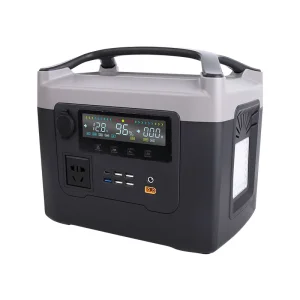
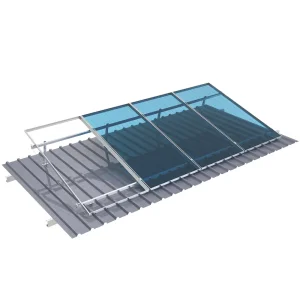
Discover our comprehensive collection of solar components, battery walls, and mobile power stations adapted for Ethiopian industrial specs.
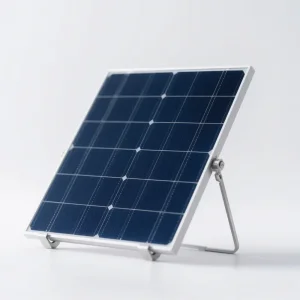
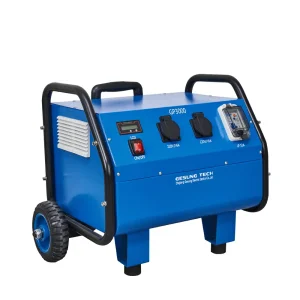
Additional custom solutions configured for reliable power distribution.
Technical support, import guidelines, and deployment specifications for clients in Ethiopia and East Africa.
Get in touch with Wenzhou New Energy experts to configure custom solar off-grid solutions matching your facilities' electrical load profile.
Send Inquiry Now Turskov