Industrial Solar & Structural Attachment Manufacturers in Saudi Arabia

Pioneering High-Durability Utility-Scale Mounting Attachments, Intelligent Trackers, and Renewable Energy System Accessories for Vision 2030 Projects

Industrial Racking & Attachment Manufacturing landscape in Saudi Arabia

Saudi Arabia is executing one of the most aggressive renewable energy transitions globally under the strategic umbrella of Vision 2030. As the Kingdom diversifies away from hydrocarbon reliance, the National Renewable Energy Program (NREP) targets over 58.7 GW of renewable energy capacity, primarily driven by utility-scale solar photovoltaics (PV). To support this monumental rollout in harsh desert conditions, the demand for highly resilient structural attachments, mounting structures, and sub-assembly components has surged. The selection of optimized mechanical attachments and mounting structural factories is critical to guarantee the lifecycle longevity of these assets for up to 30 years.

Extreme Climatic Challenges of the Saudi Arabian Desert

Deploying energy systems and structural attachments in regions like Neom, Riyadh, and the Eastern Province exposes equipment to extreme operational stress. Ordinary fixtures succumb rapidly to severe environmental threats:

  • Thermal Excursions: Ambient temperatures frequently exceed 50°C, causing substantial thermal expansion and contraction in metal frames and structural attachments. Manufacturers must utilize specific raw alloys that maintain high structural integrity at extreme temperatures.
  • High Salinity and Corrosion: Coastal locations such as the Red Sea Project and Jeddah have high relative humidity and salt-laden air. Attachments must feature heavy-duty corrosion resistant barriers, such as hot-dip galvanization (minimum 85 microns thickness conforming to ISO 1461) or specialized Magnesium-Aluminum-Zinc coatings (ZAM).
  • High Wind Loads & Sandstorm Abrasion: Moving desert sands cause aggressive mechanical abrasion. Furthermore, sudden gust loads require mounting systems to resist wind speeds of up to 180 km/h. Precise structural wind tunnel analysis and dynamic finite element analysis (FEA) are standard requirements for Saudi Arabian approvals.
15,000+
R&D Production Sqm
36+
Patented Technologies
180 km/h
Wind Resistance Design
28+
Global Export Nations

Technical Standards and Local Regulatory Compliance (SASO & SABER)

Navigating the Saudi industrial market requires strict adherence to localized compliance standards. Structural attachments, PV mounting units, and related hardware must obtain standard certifications to clear customs and secure grid connection clearance:

  • SABER Platform Registration: Every imported structural component or energy system accessory must be registered through the SABER system, obtaining a Certificate of Conformity (CoC) based on applicable SASO technical regulations.
  • Local Content Requirements (IKTVA / Sadaat): Mega-projects like NEOM, Red Sea, and municipal municipal developments prioritize suppliers that offer high local value addition, prioritizing manufacturers with robust supply chains capable of localizing assembly or maintaining high inventory availability.

Strategic Sourcing: Combining China's Manufacturing Power with KSA's Local Demands

As a leading supplier of renewable systems, Zhejiang Wenzhou New Energy Technology Co., Ltd. bridges the gap between high-volume, high-precision Chinese engineering and local Middle Eastern project specs. Operating from Wenzhou, China's private industrial manufacturing epicenter, the enterprise has optimized production logistics to service GCC countries efficiently.

Our 15,000+ square meter advanced production base incorporates CNAS-certified mechanical testing centers, electromagnetic compatibility (EMC) facilities, and automated roll-forming lines running under ISO 9001, ISO 14001, and ISO 45001 standards. This structure allows us to produce high-durability mounting attachments, brackets, and solar accessories that are fully compatible with local Saudi specifications.

Advanced Custom Engineering

We provide tailormade structural designs using high-grade AL6005-T5 aluminum and hot-dip galvanized C-Steel profiles, optimizing support structures for heavy wind loads and high-capacity bi-facial panels.

SASO & SABER Alignment

Our export team handles documentation and testing certifications required under Saudi law, ensuring smooth custom clearance through King Abdullah Port and Jeddah Islamic Port.

Scalable High-Volume Supply

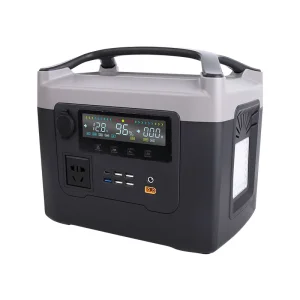
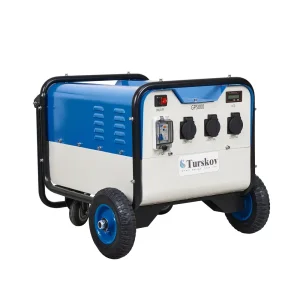
With an annual capacity of over 50,000 units across mobile generators, smart tracking brackets, and control interfaces, we guarantee short lead times for key Saudi infrastructure developments.

Techno-Economic Value of High-Quality Structural Attachments

Investing in high-quality structural support and attachment systems dramatically lowers the Levelized Cost of Energy (LCOE). Poor quality mounting materials run high risks of structure deformation, module micro-cracking, and electrical grounding issues. By partnering with a vertically integrated supplier that offers in-house metallurgy, roll-forming, and electronic system design, GCC EPC contractors can secure reliable operational guarantees.

Key Application Scenarios in Saudi Arabia

1. Remote Off-Grid Industrial Clusters & Telecom Stations

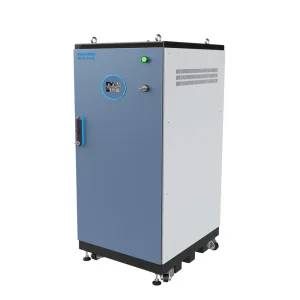
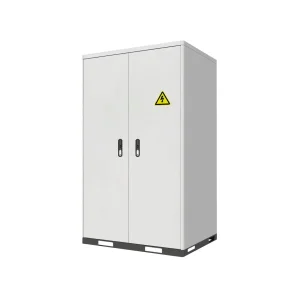
Large portions of Saudi Arabia's mining sectors and remote communication repeaters operate far from the national power grid. Combining smart solar trackers with integrated off-grid energy storage walls ensures stable 24/7 power supply. Our structural frames are specifically dust-sealed to prevent sand ingress into battery and controller housings.

2. Residential and Commercial Smart Energy Backups

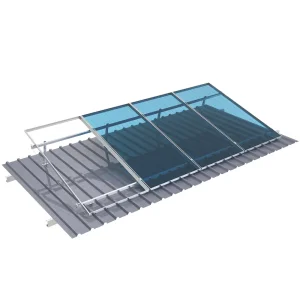
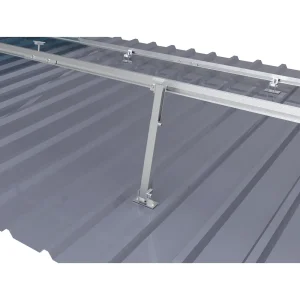
High-end residential zones and business parks in metropolitan Riyadh and Dammam require modular, aesthetic solar support frames and reliable battery backups to manage peak load pricing and grid reliability. Our customizable roof attachments prevent damage to existing waterproofing membranes while ensuring maximum resistance to high thermal cycles.

3. Utility-Scale Ground-Mounted Solar Farms

Large ground-mounted solar fields demand optimized mounting supports with minimum component counts to allow rapid site installation. Our steel mounting attachments are designed for fast pre-assembly, reducing labor costs in the challenging desert climate.
Frequently Asked Questions (FAQ)

What material coatings are recommended for solar mounting attachments in Saudi coastal zones?
Due to the combination of high humidity and high air salinity along the Red Sea and Arabian Gulf coasts, structural attachments must use Hot-Dip Galvanized (HDG) steel with a coating thickness of at least 85 microns (ISO 1461), or advanced Zinc-Aluminum-Magnesium (ZAM) alloy coatings. ZAM coatings provide superior self-healing edge protection, which is critical in corrosive environments.
How do manufacturers design attachments to resist severe Saudi desert wind loads?
Our structural attachments are designed based on finite element analysis (FEA) and actual wind tunnel testing data. They are structurally engineered to handle wind speeds up to 180 km/h. Structural components use high-tensile AL6005-T5 aluminum and carbon steel structures (Q235B/Q355B) that comply with international ASCE 7-10 wind load guidelines and local Saudi Building Code (SBC) standards.
Does your company supply all necessary documents for Saudi SABER custom clearance?
Yes, Zhejiang Wenzhou New Energy Technology Co., Ltd. provides all testing documentation, including factory certificates, ISO audits, material test reports, and compliance certificates needed to register products under the SABER platform and secure SASO conformity approval.
How do high desert temperatures affect solar mounting and storage attachments?
Temperatures above 50°C cause thermal expansion in metallic structures. If mounting attachments do not allow for thermal expansion, modules can experience severe micro-cracking. Our engineering designs incorporate dynamic slotting and flexible expansion joints to accommodate thermal movement, while battery attachment enclosures use active cooling paths and dust filters to maintain optimal internal operating conditions.
What is the typical shipping lead time from your Wenzhou factory to Saudi Arabian ports?
Typical ocean shipping time from Ningbo/Shanghai ports to King Abdullah Port (Jeddah) or Dammam Port ranges between 15 to 22 days. Production times vary between 15 to 30 days depending on the volume and customization requirements of the order.